
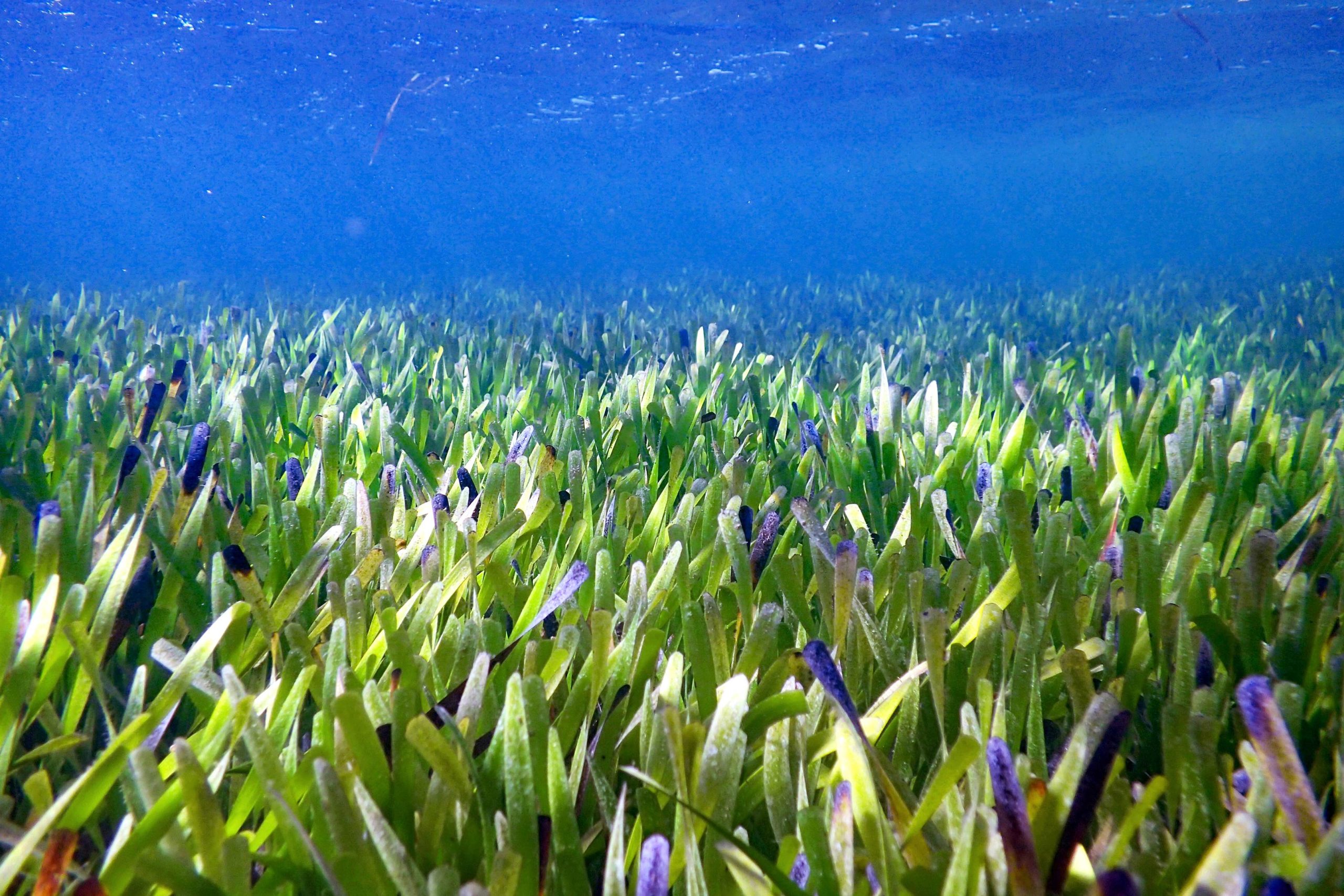
A vast seagrass plant in Shark Bay, Australia, covers 180 km, making it the world’s largest plant.
Scientists were investigating meadows of ribbon weed seagrass using DNA analysis. The shocking results blew them away; the 18,000 DNA markers they analyzed in Shark Bay World Heritage Area, in Western Australia showed a single plant expanded to stretch 112 miles. This makes it the world’s largest known plant.
Somehow this single seedling grew to cover an area of 77 square miles, stretching through waters that are quite different in temperature and salinity. Based on its size and growth rate, the researchers estimate that it is 4,500 years old.
Next time you go diving or snorkeling, have a close look at those wondrously long, bright green ribbons, waving with the ebb and flow of water. They are seagrasses – marine plants which produce flowers, fruit, and seedlings annually, like their land-based relatives.
These underwater seagrass meadows grow in two ways: by sexual reproduction, which helps them generate new gene combinations and genetic diversity, and also by extending their rhizomes, the underground stems from which roots and shoots emerge.
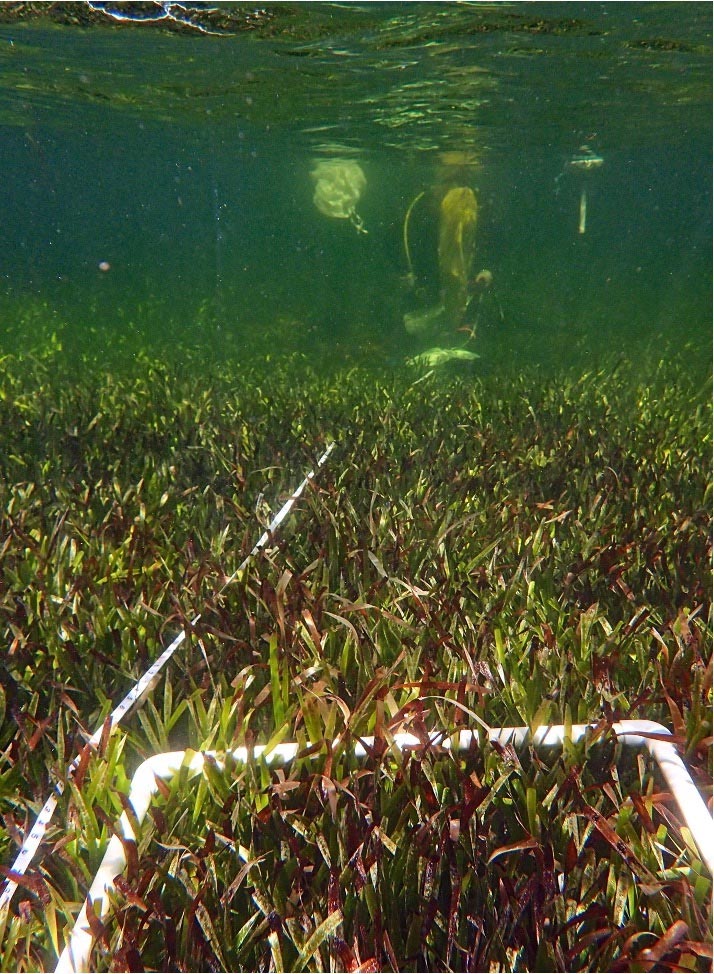
To find out how many different individual plants are growing in a seagrass meadow, you have to test their DNA. We did this for meadows of ribbon weed seagrass called Posidonia australis in the shallow sun-drenched waters of the Shark Bay World Heritage Area, in Western Australia.
The result blew us away: it was all one plant. One single plant has expanded over a stretch of 180 km (112 miles) making it the largest known plant on Earth.
We collected shoot samples from ten seagrass meadows from across Shark Bay, in waters where the salt levels range from normal ocean salinity to almost twice as salty. In all samples, we studied 18,000 genetic markers to show that 200 km² (77 miles²) of ribbon weed meadows expanded from a single, colonizing seedling.
How Did It Evolve?
What makes this seagrass plant unique from others, other than its enormous size, is that it has twice as many chromosomes as its relatives. This makes it what scientists call a “polyploid.”
Most of the time, a seagrass seedling will inherit half the genome of each of its parents. Polyploids, however, carry the entire genome of each of their parents.
There are many polyploid plant species, such as potatoes, canola, and bananas. In nature, they often reside in places with extreme environmental conditions.
Polyploids are often sterile, but can continue to grow indefinitely if left undisturbed. This seagrass has done just that.
How Old Is This Plant?
The sandy dunes of Shark Bay flooded some 8,500 years ago, when the sea level rose after the last ice age. Over the following millennia, the expanding seagrass meadows made shallow coastal banks and sills through creating and capturing sediment, which made the water saltier.
There is also a lot of light in the waters of Shark Bay, as well as low levels of nutrients and large temperature fluctuations. Despite this hostile environment, the plant has been able to thrive and adapt.
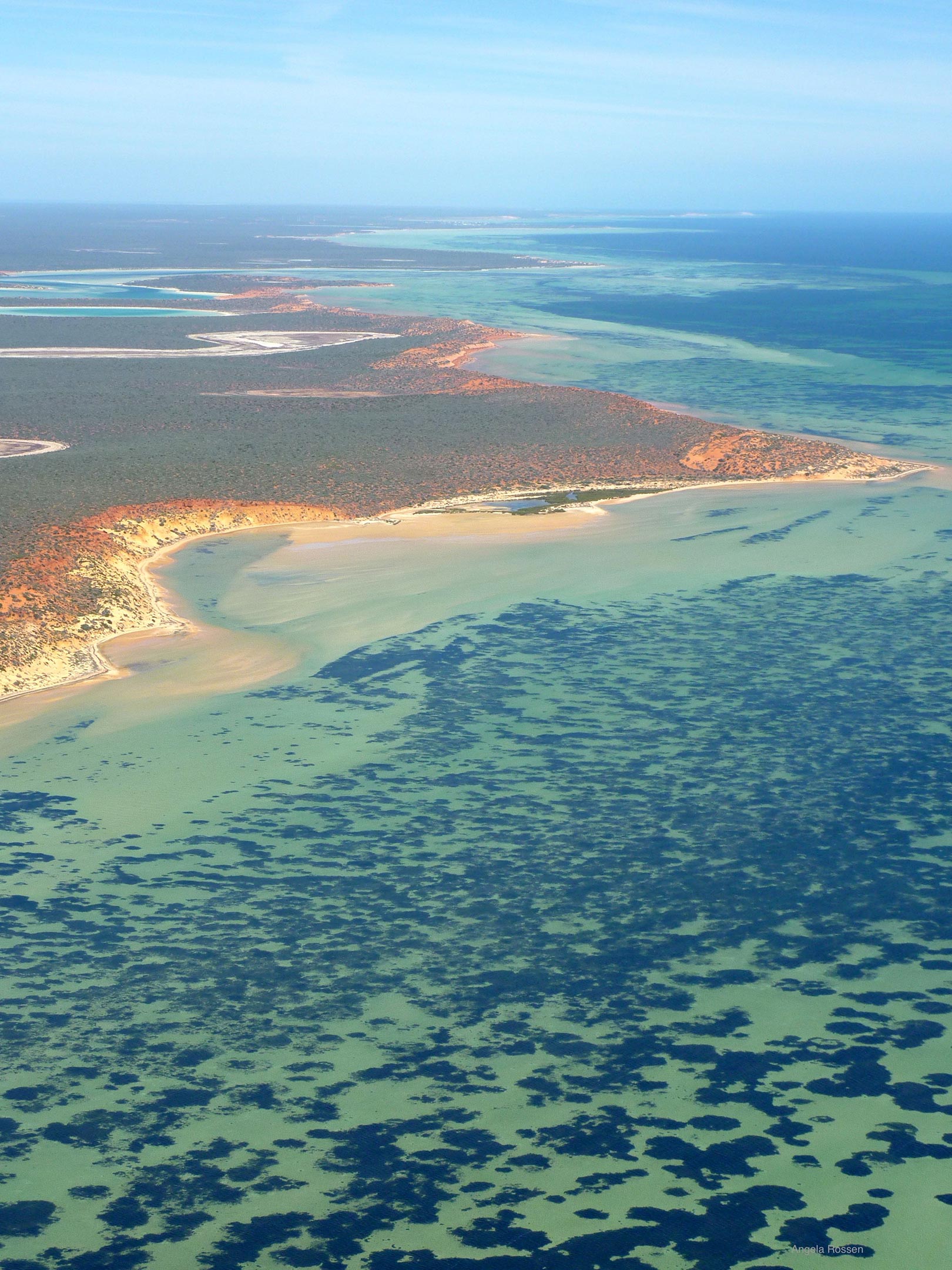
It is challenging to determine the exact age of a seagrass meadow, but we estimate the Shark Bay plant is around 4,500 years old, based on its size and growth rate.
Other huge plants have been reported in both marine and land systems, such as a 6,000-tonne quaking aspen in Utah, but this seagrass appears to be the largest to date.
Other huge seagrass plants have also been found, including a closely related Mediterranean seagrass called Posidonia oceanica, which covers more than 15 km (9 miles) and maybe around 100,000 years old.
Why Does This Matter?
In the summer of 2010–11, a severe heatwave hit land and sea ecosystems along the Western Australian coastline.
Shark Bay’s seagrass meadows suffered widespread damage in the heatwave. Yet the ribbon weed meadows have started to recover.
This is somewhat surprising, as this seagrass does not appear to reproduce sexually – which would normally be the best way to adapt to changing conditions.
We have observed seagrass flowers in the Shark Bay meadows, which indicates the seagrass are sexually active, but their fruits (the outcome of successful seagrass sex) are rarely seen.

Our single plant may in fact be sterile. This makes its success in the variable waters of Shark Bay quite a conundrum: plants that don’t have sex tend to also have low levels of genetic diversity, which should reduce their ability to deal with changing environments.
However, we suspect that our seagrass in Shark Bay has genes that are extremely well-suited to its local, but variable environment, and perhaps that is why it does not need to have sex to be successful.
Even without successful flowering and seed production, the giant plant appears to be very resilient. It experiences a wide range of water temperatures (from 17ºC/63ºF to 30ºC/86ºF in some years) and salt levels.
Despite these variable conditions and the high light levels (which are typically stressful for seagrass), the plant can maintain its physiological processes and thrive. So how does it cope?
We hypothesize that this plant has a small number of somatic mutations (minor genetic changes that are not passed on to offspring) across its 180 km (112 mi) range that help it persist under local conditions.
However, this is just a hunch and we are tackling this hypothesis experimentally. We have set up a series of experiments in Shark Bay to really understand how the plant survives and thrives under such variable conditions.
The Future of Seagrass
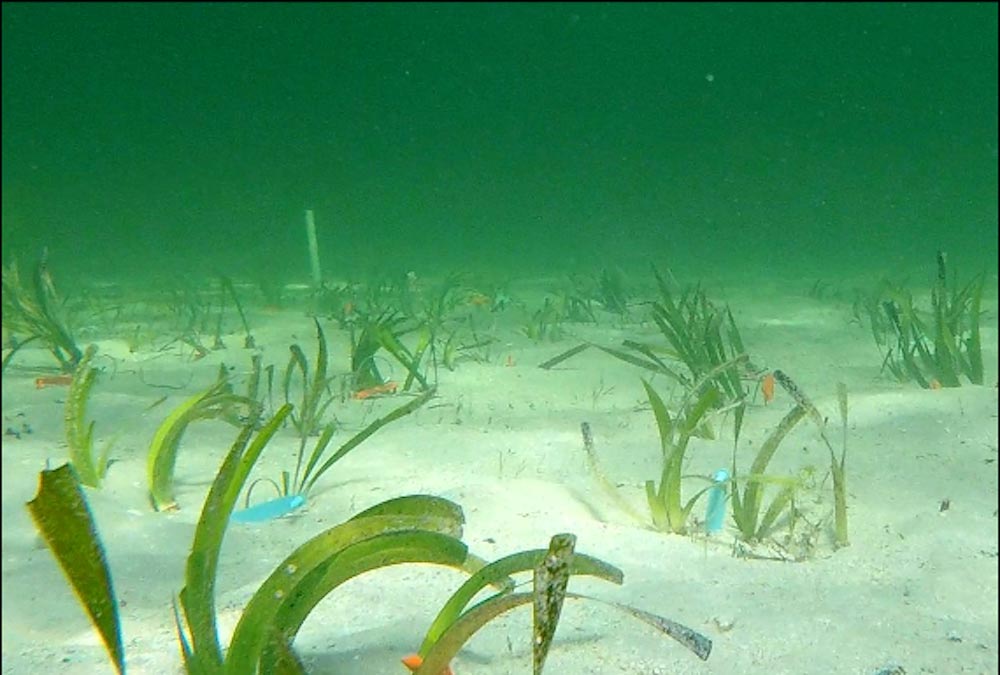
Seagrasses protect our coasts from storm damage, store large amounts of carbon, and provide a habitat for a great diversity of wildlife. Conserving and also restoring seagrass meadows has a vital role in climate change mitigation and adaptation.
Seagrasses are not immune from climate change impacts: warming temperatures, ocean acidification, and extreme weather events are significant challenges for them.
However, the detailed picture we now have of the great resilience of the giant seagrass of Shark Bay provides us with the hope they will be around for many years to come, especially if serious action is taken on climate change.
Written by:
- Elizabeth Sinclair – Senior Research Fellow, The University of Western Australia
- Gary Kendrick – Winthrop Professor, Oceans Institute, The University of Western Australia
- Jane Edgeloe – PhD candidate (Marine Biology), The University of Western Australia
- Martin Breed – Senior Lecturer in Biology, Flinders University
This article was first published in The Conversation.
Never miss a breakthrough: Join the SciTechDaily newsletter.
Follow us on Google and Google News.