
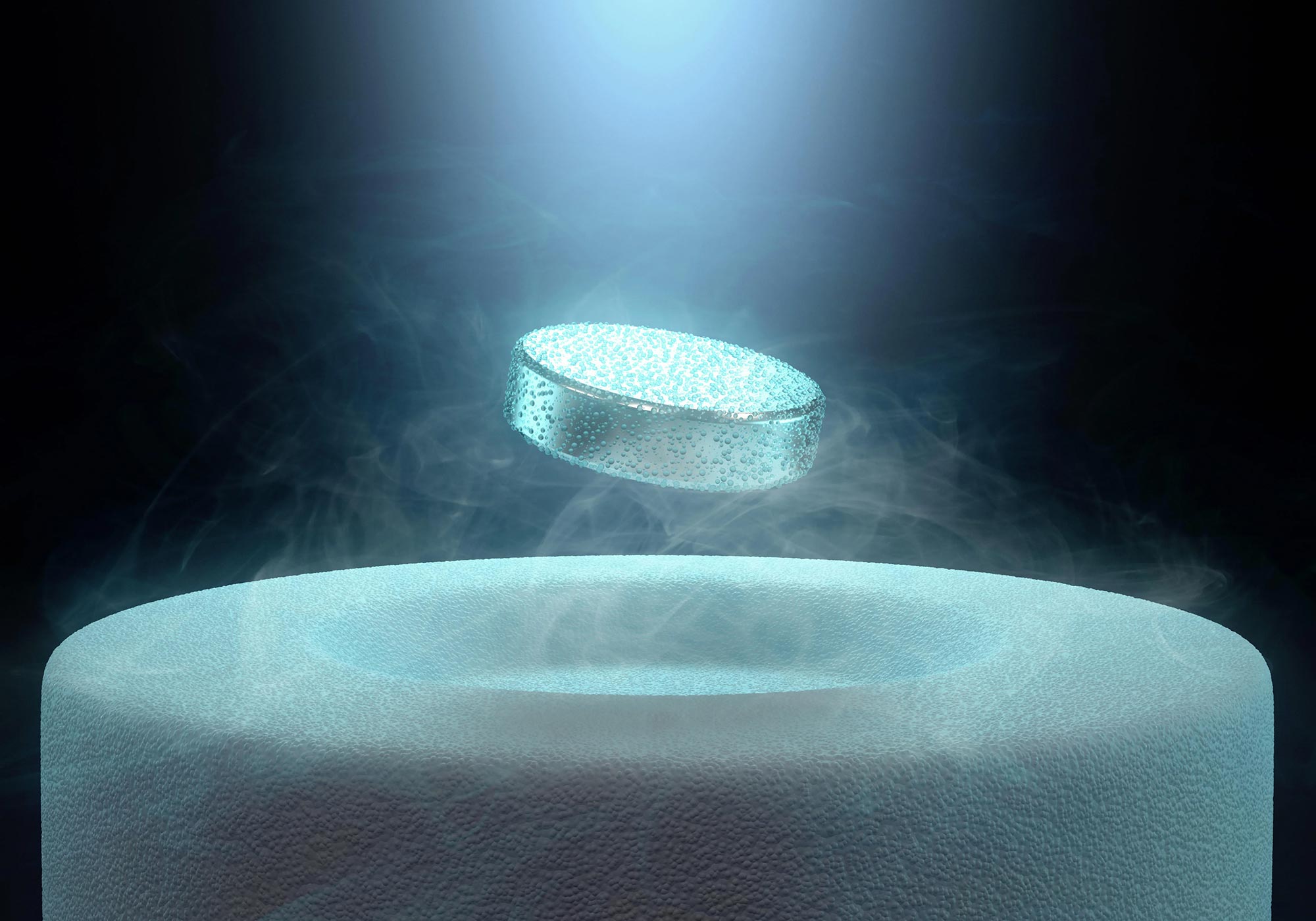
A subtle shift in how materials are engineered may be redefining the future of superconductivity.
Superconductors are often described as a possible foundation for the next generation of ultra-efficient technology. In theory, they could move electricity without wasting energy as heat. In practice, they are still difficult to use outside the lab.
A team at Chalmers University of Technology in Sweden now reports a new way to improve that outlook by designing a material that supports superconductivity at higher temperatures while also standing up to strong magnetic fields. If the approach can be extended, it could help advance low-power electronics, quantum devices, and other technologies where energy losses matter.
Digital devices, data centers, and information and communications technology (ICT) networks already use about 6 to 12 percent of the world’s electricity. That share is expected to keep growing as computing demands rise. Superconductors are attractive because, unlike standard electronic materials, they can carry current with zero energy loss. That makes them especially interesting for systems where even small efficiency gains can have a major impact, from computing hardware to parts of the power grid.
The problem is that superconductivity usually comes with strict conditions. Many superconductors work only at extremely low temperatures, often around minus 200 degrees Celsius (minus 328 degrees Fahrenheit). Reaching those temperatures requires complex cooling, which adds cost and limits where the materials can realistically be used. Strong magnetic fields create another obstacle.
They can weaken or destroy the superconducting state, even though those same fields are central to many advanced devices. That is one reason the field has long sought materials that can keep working at higher temperatures (ideally close to room temperature) and remain stable in intense magnetic environments.
Robust superconductivity via new approach
Efforts to create more durable superconductors have largely focused on changing the chemical makeup of materials, with limited success. The Chalmers team instead explored a different strategy and made significant progress.
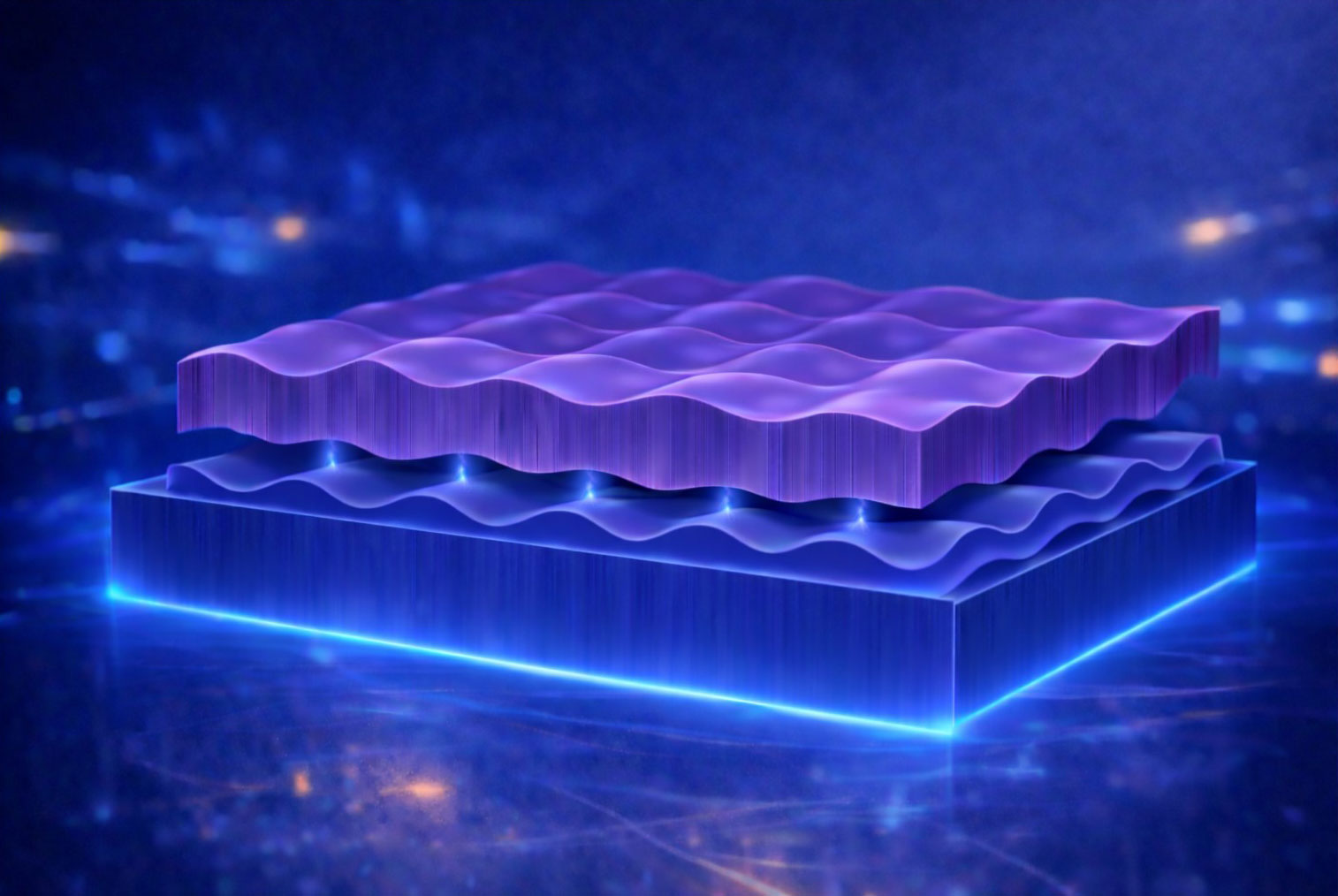
“By sculpting the surface that the superconductor rests on, we were able to induce superconductivity at significantly higher temperatures than previously possible. We also found that the material remained superconducting even when exposed to strong magnetic fields,” explains Floriana Lombardi, Professor of Quantum Device Physics at Chalmers and lead author of a study published in Nature Communications.
Tiny detail made a huge difference
The researchers worked with a copper oxide material from the cuprate family, a group of well-known superconductors that can operate at relatively high temperatures. However, their internal chemistry is difficult to adjust after they are made.
In this study, the superconducting layer was only a few nanometers thick (a few billionths of a meter), far thinner than a human hair. For real-world applications, such thin films must be grown on a supporting base called a substrate, which guides how the material forms. The key advance came from making nanoscale modifications to the surface of this substrate.
“Because the atoms in the substrate are arranged in a specific pattern, they can ‘guide’ how the atoms in the superconducting layer settle. By changing the surface design of the substrate, we were able to influence the superconducting properties and ensure they were preserved, even at higher temperatures and when high magnetic fields were applied,” explains Eric Walhberg, a researcher at RISE Research Institutes of Sweden.
By pretreating the substrate in a vacuum at high temperature, the team created a regular pattern of tiny ridges and valleys. This structure produced a distinct electronic environment at the interface between the substrate and the superconducting layer, one that strengthened superconductivity.
“We could see how the electrons’ properties began to have a preferential direction in this interfacial region and behave in a way that stabilized and strengthened the superconducting state,” says Lombardi.
A new design principle for future superconductors
This work introduces a new way to design superconductors that could eventually operate at much higher temperatures, potentially approaching room temperature.
“Instead of searching for entirely new materials or manipulating the chemical properties of existing ones, we are now showing how superconductivity can be enhanced by sculpting the substrate,” says Lombardi.
The findings point toward practical uses in energy-efficient electronics, advanced quantum components, and technologies that rely on strong magnetic fields.
“This shows that very small changes at the nanoscale can have decisive effects and may even unlock the full potential of superconductivity in future electronics,” says Lombardi.
Reference: “Boosting superconductivity in ultrathin YBa2Cu3O7−δ films via nanofaceted substrates” by Eric Wahlberg, Riccardo Arpaia, Debmalya Chakraborty, Alexei Kalaboukhov, David Vignolles, Cyril Proust, Annica M. Black-Schaffer, Thilo Bauch, Götz Seibold and Floriana Lombardi, 7 January 2026, Nature Communications.
DOI: 10.1038/s41467-025-67500-2
Part of this work was conducted at Myfab Chalmers, a cleanroom facility.
The research project has received support from: The Swedish Research Council (VR), the Knut and Alice Wallenberg Foundation, the EIC Pathfinder grant from the European Union, and the Deutsche Forschungsgemeinschaft.
Never miss a breakthrough: Join the SciTechDaily newsletter.
Follow us on Google and Google News.
2 Comments
Cool discovery.
Mass production is going to be a headache.
By sculpting the surface that the superconductor rests on, you were able to induce superconductivity at significantly higher temperatures than previously possible.
VERY GOOD.
Please ask researchers to think deeply:
Is the almost never-ending topological spin related to superconductivity? Superconductivity should be a system, not a single event, and should act based on topological laws.