
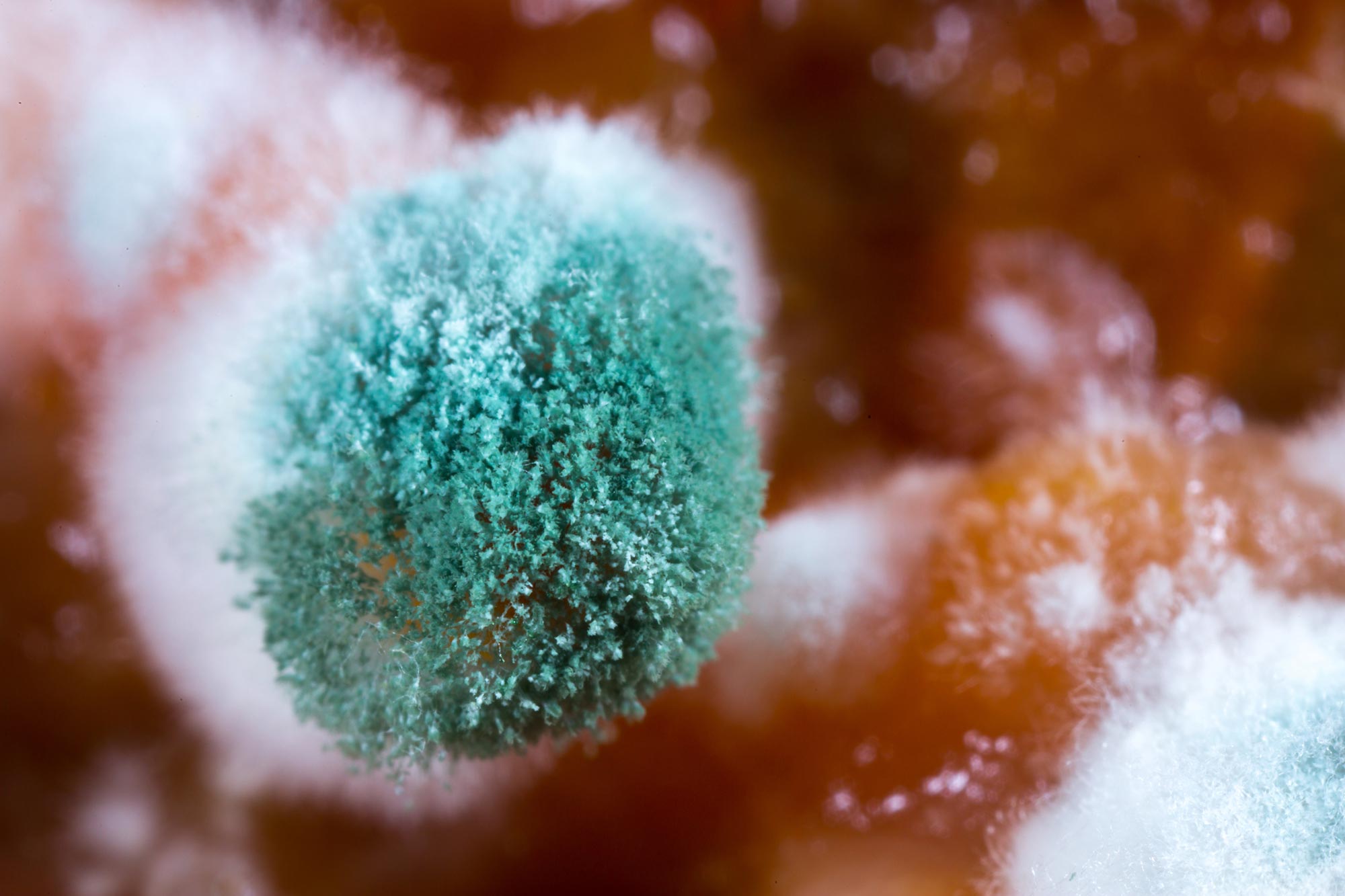
A bacterial molecule called gladiolin can disarm invasive Candida albicans and strengthen the effects of a major antifungal drug.
Candida albicans usually lives harmlessly in the human body, but under the wrong conditions it can transform into an invasive form capable of damaging tissue and causing life-threatening infection. Researchers from Monash University and the University of Warwick have now identified how a bacterial antibiotic called gladiolin can push the fungus back toward its less harmful state, pointing to a different way of thinking about antifungal treatment.
The findings were published in Current Biology, and emerged from the Monash Warwick Alliance Programme in Antimicrobial Resistance (AMR), a long-term collaboration between the two universities focused on antimicrobial resistance.
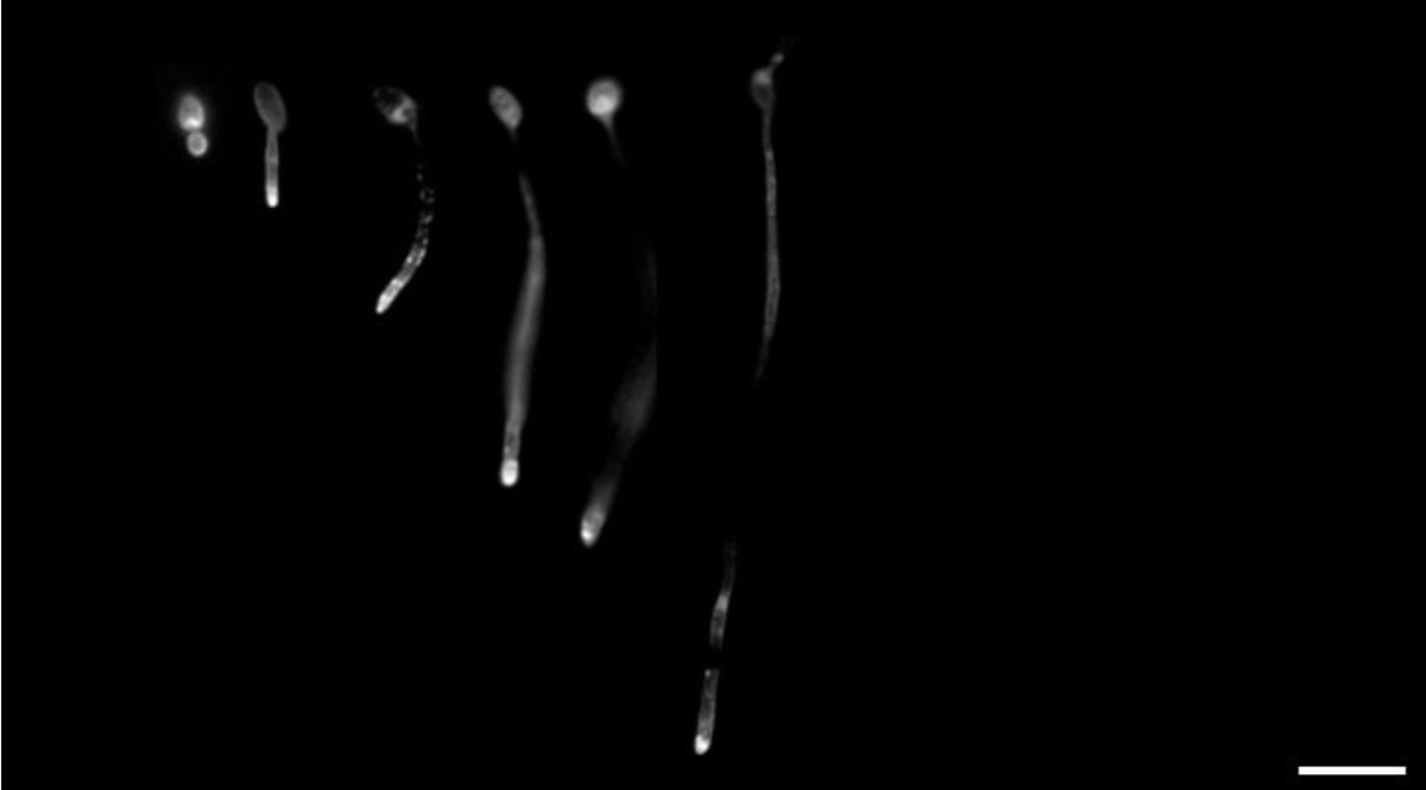
Led by scientists at the Monash Biomedicine Discovery Institute, the research shows that gladiolin can shift Candida albicans away from its tissue-damaging, invasive ‘hyphae’ form and back into its benign, rounded yeast form.
Gladiolin switches off fungal invasion
Lead author Professor Ana Traven of the Monash Biomedicine Discovery Institute said gladiolin was identified several years ago as an antibiotic produced by bacteria, but scientists still knew relatively little about how it acted against fungal pathogens.
“The thread-like hyphae of Candida albicans allow the fungus to penetrate and damage human tissue and form drug-resistant biofilms, leading to dangerous infections,” Professor Traven said.
“We’ve discovered gladiolin effectively ‘switches off’ this aggressive behavior, pushing the fungus back into its less harmful ‘yeast’ state.
“This gives us a different way to think about controlling fungal infections, not just by killing the fungus, but by disarming it.”
First author Dr Manasa Bharathwaj, a research fellow at the Monash Biomedicine Discovery Institute, said the effect appears to come from the way gladiolin alters the metabolism of Candida albicans. The molecule causes the pathogen to consume more glucose from its surroundings.
“Since glucose is important for the invasive hyphae to grow, gladiolin tricks Candida to use up its glucose supply more quickly, forcing it to switch back to its less invasive yeast state,” Dr Bharathwaj said.
Gladiolin also strengthens a major antifungal
The work extends a 2024 discovery led by Professor Traven and Professor Mibel Aguilar of the Monash Biomedicine Discovery Institute together with Professor Greg Challis. Professor Traven and Professor Challis are both co-Directors of the Monash Warwick Alliance Program in Antimicrobial Resistance.
The new research also found that gladiolin can substantially increase the effectiveness of amphotericin B, one of the most important antifungal medicines currently available.
Taken together, the two studies suggest that naturally occurring bacterial molecules such as gladiolin can act against harmful fungi in more than one way. They can increase the activity of existing antifungal drugs while also suppressing one of the fungus’s major disease-causing behaviors.
Professor Challis said the findings point to potential new approaches for infections that are becoming increasingly difficult to treat.
“Importantly, our findings suggest that gladiolin could help existing drugs kill dangerous fungal pathogens, including drug-resistant biofilms that can form on medical devices, while potentially allowing lower, less toxic doses of antifungal drugs to be used,” Professor Challis said.
“This is an exciting example of how interdisciplinary and international collaboration can open up new approaches to antimicrobial resistance.”
The findings add to a broader body of antimicrobial resistance research supported by the Monash Warwick Alliance.
As the partnership approaches its 15th anniversary, it continues to combine expertise, resources, and infrastructure from Monash University and the University of Warwick to support research and training aimed at major global challenges.
Antimicrobial resistance has been one of the main areas supported through the Alliance’s grant programs.
Fungal infections need new treatment strategies
“Fungal infections kill an estimated two million people worldwide each year, yet treatment options remain limited,” Professor Traven said.
“Modern medicine, from surgery and cancer treatment to organ transplantation and intensive care, depends on our ability to prevent and treat these life-threatening infections.
“There are no vaccines for fungal infections, and some of the antifungal medicines we do have can be highly toxic, highlighting the urgent need for new ways to prevent and treat these diseases.”
Although Candida albicans normally exists harmlessly in the human body, it can cause life-threatening disease in critically ill or immunocompromised people, particularly when it grows on medical devices such as catheters.
“In nature, microbes compete for nutrients and space by producing molecules that are toxic to their microbial neighbors,” Professor Traven said.
“We can harness these natural ‘microbial warfare’ molecules to discover new medicines.
“Penicillin is perhaps the best-known example. It’s a molecule made by a fungus to kill competing bacteria, that’s become one of the world’s most effective antibiotics for treating human infections.
“We’re applying the same principle to gladiolin, exploring whether these naturally occurring bacterial molecules can inspire new ways to treat deadly fungal infections.”
Reference: “A bacterial metabolite rewires fungal metabolism, triggering the hyphae-to-yeast transition” by Manasa Bharathwaj, Vinzenz Hofferek, Angavai Swaminathan, Rachael Turner, Françios A.B. Olivier, Maalavikha Prabhakaran, Yu Zhang, Malcolm J. McConville, Gregory L. Challis, Traude H. Beilharz and Ana Traven, 19 August 2026, Current Biology.
DOI: 10.1016/j.cub.2026.07.057
This work was supported by Discovery Projects from the Australian Research Council (ARC) (DP220102562 to A.T. and G.L.C.; DP220101689 to M.J.M.) and by funding from the Monash-Warwick Alliance Major Initiative in Combatting Emerging Superbug Threats (A.T. and G.L.C.).
Never miss a breakthrough: Join the SciTechDaily newsletter.
Follow us on Google and Google News.