
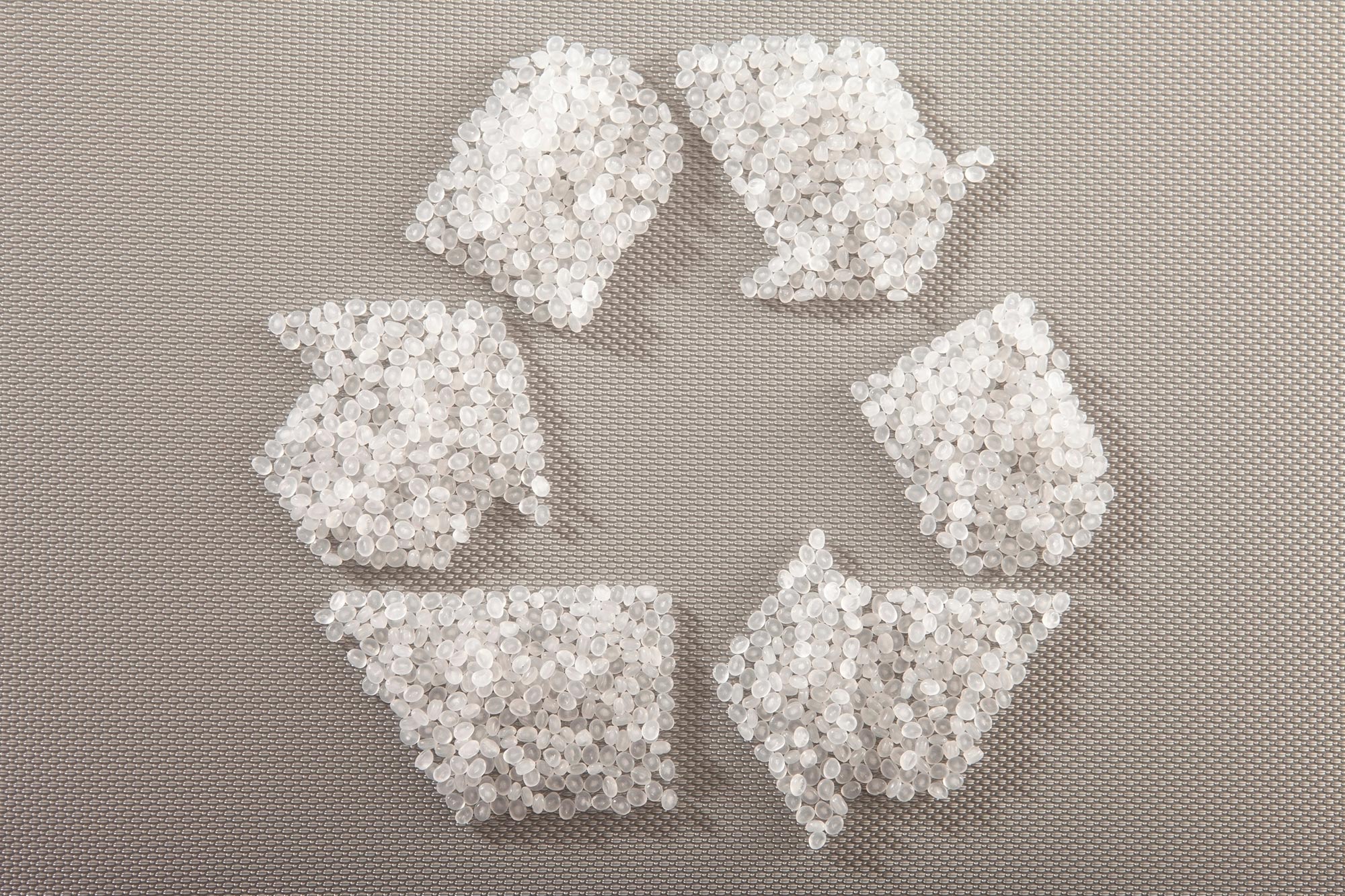
A new discovery offers a promising way to break down stubborn plastics like Plexiglass into their original building blocks, potentially revolutionizing recycling.
Unlike conventional methods that degrade plastic quality through mechanical reprocessing, this chemical approach allows full recovery of monomers, making high-quality reuse possible.
Breaking Down Plastics into Monomers
Scientists have developed a new method to break down plastics like Plexiglass into their original building blocks, known as monomers, making them easier to reuse. This breakthrough could help reduce plastic waste, which continues to be a growing environmental problem.
Traditional plastic recycling typically involves shredding, cleaning, and remelting the material. However, this process degrades the plastic’s quality over time. In contrast, breaking plastics down into monomers allows for a more thorough purification, enabling them to be reformed into high-quality materials without loss of performance.
Plastic Waste Facts (Yearly Estimates)
- Global Plastic Waste: Over 400 million metric tons of plastic waste are generated annually.
- Recycled Plastic: Only about 9% of plastic waste is successfully recycled.
- Landfills & Incineration: Around 19% is incinerated, while nearly 50% ends up in landfills.
- Ocean Pollution: An estimated 11 million metric tons of plastic enter the ocean each year.
How Light and Solvents Enable Plastic Breakdown
In their research, Hyun Suk Wang and colleagues discovered that exposing Plexiglass and similar plastics to violet light in a dichlorobenzene solvent can efficiently break them down into their original monomers. The reaction appears to be driven by chlorine radicals released from the solvent, which help initiate the breakdown process.
The researchers highlight that this method can be performed on a larger scale and allows for precise control over the breakdown process. They suggest it could become a widely applicable and efficient approach to plastic recycling.
Reference: “Visible light–triggered depolymerization of commercial polymethacrylates” by Hyun Suk Wang, Mikhail Agrachev, Hongsik Kim, Nghia P. Truong, Tae-Lim Choi, Gunnar Jeschke and Athina Anastasaki, 20 February 2025, Science.
DOI: 10.1126/science.adr1637
Never miss a breakthrough: Join the SciTechDaily newsletter.
Follow us on Google and Google News.
10 Comments
I would like to know which companies or corporations are currently the leads in plastics reduction; and which are converting into virgin plastics – sellable for retail use.
I wonder if it’s gonna be viable. And my guess is: it’s not.
Whenever light is involved in a process we’re talking huge amounts of energy.
Dichlorobenzene is a toxic chemical. Are they just trading one problem for a possibly worse one?
Recycling of any type of Plastic v/s production of,various polymers are like pole apart. On one hand whole world is making big hue n cry about plastics pollution n other hand new manufacturing companies keep on adding other million Tons of plastics volumes.So how,shall it be helpful in reducing plastic menace?
Unless the Tons of Virgin polymers are reduced n not adding new capacities can bridge the gap ?
Best of luck
We’ll still have to deal with micro plastics breaking down off of these products during their use life, even if the bulk is recycled later; not to mention that not all will be recycled.
We need to end plastic production for most products. It’s gonna suck, but it needs to be done. I originally thought we should just phase it out, but the longer we delay, the more i think we need to just to the bandaid off
This is wonderful. I know plastic helps in many ways but I hate it. I have been wishing and hoping for a way to reduce it I hope this works.
There’s a new technology that’s on the horizon, that will not only get rid of plastics but will get rid of anything made from Carbon. It uses it to create Graphene. Stronger than steel, lighter than paper, and that’s just the beginning. The machine that does this will run on the oil that is one of the things generated by getting rid of the garbage
Get rid of plastics altogether! Start processing hemp to insure a healthier environment for all, especially our ocean friends!
Glass is more able to be recycled.
Why can’t we go back to that?
The plastic industry has strung us along for decades with the plastic recycling lie. Let us know when they begin to fulfill the promises they’ve made.