
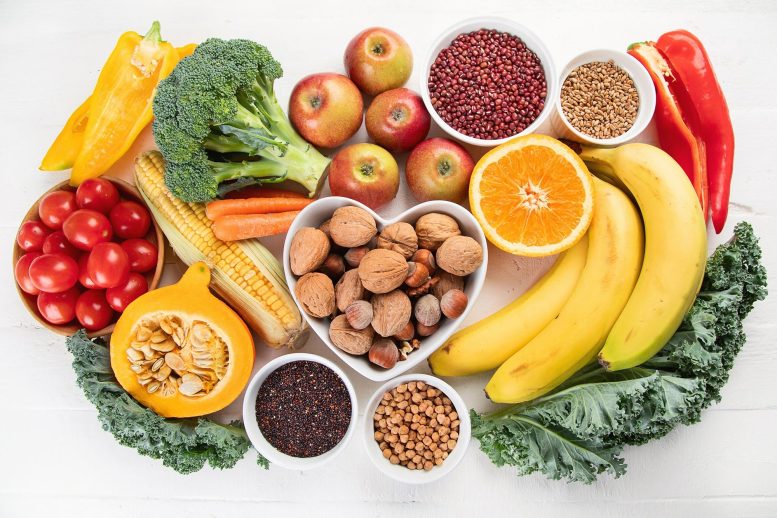
Fiber-Rich Foods Contain Unique Bioactive Compounds That Offer Health Benefits Beyond Digestion
Health professionals have long praised the benefits of insoluble fiber for bowel regularity and overall health. New findings from the University of Minnesota provide further evidence emphasizing the importance of incorporating fiber into our daily meals.
In a new study published in Nutrients, scientists discovered that every plant-based source of insoluble fiber boasts distinct bioactive components. These compounds are associated with a reduced risk of cardiovascular disease, cancer, and Type 2 diabetes, suggesting that their health advantages extend beyond the mere benefits of fiber.
“People understand the need for fiber and how it relates to gut health — an area of wellness that is becoming increasingly important as scientific research continues to reveal its impact on overall health and wellbeing,” said Joanne Slavin, co-author of the paper and a professor in the College of Food, Agricultural and Natural Resource Sciences at the University of Minnesota. “Fiber is the marker of health that is included in our dietary guidelines and found on product labels, but our research indicates that we need to ensure the other valuable components of fiber-containing plant sources — the bioactives — are also recognized as providing valuable benefits for human health.”
Key Findings on Bioactives in Fiber Sources
The study aggregated the available literature on the health benefits of bioactives in plant sources of insoluble dietary fiber.
They found:
- A variety of plant foods, including fruits, vegetables, legumes, nuts, seeds, and whole grains contain insoluble dietary fiber, and each source contains unique bioactives that support health in different ways.
- Desirable bioactives like Quercetin, Resveratrol, Catechins, Anthocyanins, Lutein, Lycopene, and Beta-Carotene were found in a variety of plant foods that also contain insoluble dietary fiber.
- Plant sources with bioactives and insoluble dietary fiber could be used to fortify processed foods to increase their nutritional value. Food production byproducts such as peel, hulls, pulp, or pomace are generally high in fiber and bioactives and therefore offer unique nutritional value from sustainable sources.
- Consumer research found that utilizing this fortification at a low level did not decrease consumer acceptability of the food product.
Implications and Future Directions
“The suggestion to eat more fruits and vegetables isn’t a novel idea, but it’s something most people still struggle to do,” said Jan-Willem Van Klinken, co-author of the study and senior vice president of medical, scientific, and regulatory affairs for Brightseed. “If we can offer widely accessible fiber-fortified products that have been developed to enhance rather than negate bioactive content, we can provide consumers with increased nutritional value.”
This most recent research on bioactives’ impact on human health further illuminates the need for industry, academia, and government to join forces to champion broad awareness and education of bioactives in food and health systems.
“The collection of literature we reviewed and the results of this research can serve as a paradigm shift in how the food and health industries, as well as consumers, view insoluble dietary fiber and bioactives,” said lead author Madeline Timm, who co-authored the research for her graduate project at the University of Minnesota. “Continued research and broad inclusion of bioactives in foods and supplements can have a real impact on human health.”
Further research is required to identify extraction and processing methods that preserve and optimize bioactive compounds.
Reference: “Beyond Insoluble Dietary Fiber: Bioactive Compounds in Plant Foods” by Madeline Timm, Lisa C. Offringa, B. Jan-Willem Van Klinken and Joanne Slavin, 24 September 2023, Nutrients.
DOI: 10.3390/nu15194138
Never miss a breakthrough: Join the SciTechDaily newsletter.
Follow us on Google and Google News.
1 Comment
Once I started adding Costco’s Opti-fiber to my daily intake, I have had improved stool movements.