
Close Menu
    Facebook X (Twitter) Instagram
    SciTechDaily
    • Biology
    • Chemistry
    • Earth
    • Health
    • Physics
    • Science
    • Space
    • Technology
    Facebook X (Twitter) Pinterest YouTube RSS
    SciTechDaily
    Home»Science»Scientists Discover Minty Molecule That Makes Artificial Sweeteners Taste Better
    Science

    Scientists Discover Minty Molecule That Makes Artificial Sweeteners Taste Better

    By WileyAugust 18, 2025No Comments2 Mins Read
    Facebook Twitter Pinterest Telegram LinkedIn WhatsApp Email Reddit
    Share
    Facebook Twitter LinkedIn Pinterest Telegram Email Reddit
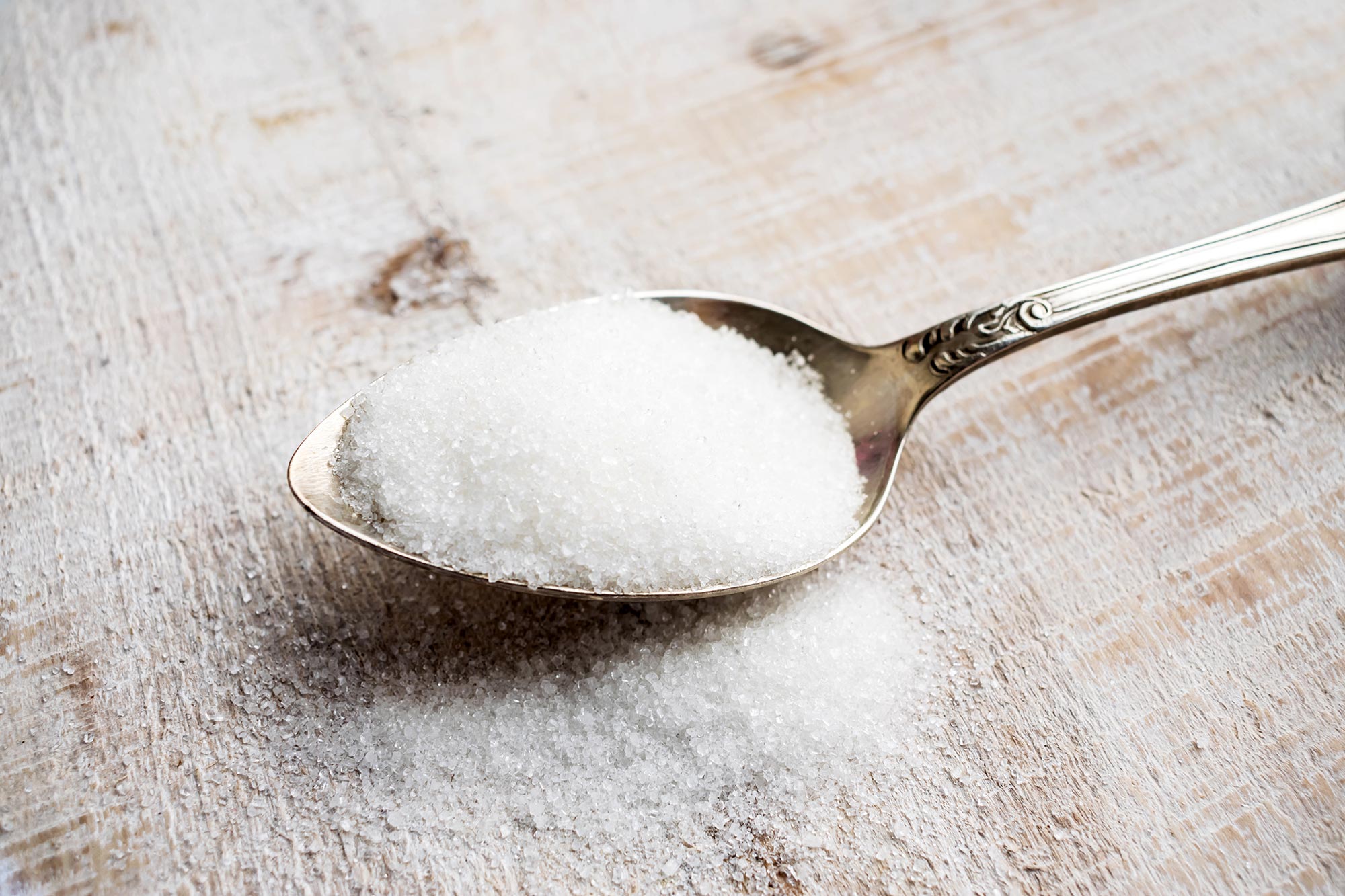
    Artificial Sweetener Metal Spoon
    Artificial sweeteners like saccharin and acesulfame K often leave an unpleasant bitter aftertaste, but researchers have identified compounds that may suppress the receptors responsible for this effect. Credit: Shutterstock

    Scientists have discovered natural compounds that can suppress the bitterness of artificial sweeteners.

    Some artificial sweeteners—especially saccharin and acesulfame potassium (acesulfame K)—can leave a lingering bitter aftertaste that hurts consumer acceptance of reduced-calorie foods and drinks. New research in FEBS Open Bio suggests a clean fix: pair these sweeteners with compounds that selectively tamp down the bitter taste receptors they inadvertently trigger, yielding a smoother, more sugar-like profile without obvious sensory side effects.

    Taste is mediated by G protein–coupled receptors (GPCRs) on taste-bud cells. Bitter compounds activate TAS2R receptors; saccharin and acesulfame K are known to stimulate TAS2R31 and TAS2R43, creating sweetness up front followed by a lingering bitterness.

    In cell-based assays, menthols reduced TAS2R31 responses to saccharin, and the spearmint aroma molecule (R)-(–)-carvone strongly inhibited both TAS2R31 and TAS2R43 when activated by saccharin and acesulfame K. Because these are the very receptors implicated in artificial-sweetener aftertaste, direct inhibition provides a mechanistic route to cleaner taste.

    Why Carvone May Be Especially Useful

    A practical advantage is that (R)-(–)-carvone produced little to no noticeable cooling, which is mediated by trigeminal pathways (e.g., TRPM8) rather than taste. That matters because a “minty chill” can clash with colas, citrus sodas, yogurts, protein shakes, or baked goods. Targeted TAS2R inhibition could complement existing tools like flavor modulation and acid–base balancing, potentially allowing lower sweetener loads or simpler masking blends.

    Caveats remain: these are in vitro receptor results, not full sensory panels, and pH, carbonation, fat, temperature, and processing can all affect both bitterness and inhibitor performance. Genetic differences in TAS2R receptors also mean effects may vary across consumers.

    “The bitter taste inhibitors identified in this study have potential applications in food products, suggesting their utility in enhancing the palatability of foods containing artificial sweeteners,” said corresponding author Takumi Misaka, PhD, of the University of Tokyo.

    Reference: “Menthol-like cooling compounds, including (R)-(-)-carvone, inhibit the human bitter taste receptors for saccharin and acesulfame K” by Miyuu Saito and Takumi Misaka, 6 August 2025, FEBS Open Bio.
    DOI: 10.1002/2211-5463.70098

    Never miss a breakthrough: Join the SciTechDaily newsletter.
    Follow us on Google and Google News.

    Food Science Popular Taste Wiley
    Share. Facebook Twitter Pinterest LinkedIn Email Reddit

    Related Articles

    New Method Developed to Create “Food Inks” for 3D Printing Fresh Vegetables

    Ancient DNA Continues to Rewrite the 9,000-Year Society-Shaping History of Corn

    These Foods Contain Nutrients That Can Inhibit a Key SARS-CoV-2 Enzyme Needed for the COVID Virus to Replicate

    Researchers Say Breadfruit Could Be the Next Superfood

    Reconstructing the Meals That People Consumed in the Past From Chemical Residues on Ancient Cooking Pots

    Rice Genetically Altered to Contain Anti-Hypertensive Peptides – Eating a Spoonful Lowers Blood Pressure

    New Tomato Ideal for Urban Gardens and Even Outer Space Created Through Genetic Editing

    Genetically Modified Maize Study Faces Even More Scrutiny

    Intercontinental Crop Losses Caused by Ozone

    Leave A Reply Cancel Reply

    • Facebook
    • Twitter
    • Pinterest
    • YouTube

    Don't Miss a Discovery

    Subscribe for the Latest in Science & Tech!

    Trending News

    Scientists Finally Uncover How a “Forever Chemical” Causes Birth Defects

    Scientists Uncover the Earliest Brain Changes That May Predict Alzheimer’s Decades Before Symptoms

    Surprising New Study Challenges a Century-Old Theory of Habit Formation

    Scientists Turn Seawater Into Drinking Water Without Toxic Brine

    Vitamin D Drug Shows Surprising Promise Against One of the Deadliest Cancers

    NASA’s X-59 Sonic Boom Killer Is Ready for Its Biggest Test Yet

    The Best Exercise Combination for Longevity, According to a 30-Year Study

    Popular Weight-Loss Drug Found To Slow Biological Aging in Landmark Human Trial

    Follow SciTechDaily
    • Facebook
    • Twitter
    • YouTube
    • Pinterest
    • Newsletter
    • RSS
    SciTech News
    • Biology News
    • Chemistry News
    • Earth News
    • Health News
    • Physics News
    • Science News
    • Space News
    • Technology News
    Recent Posts
    • This Simple Drink Could Help Calm the Inflammation Behind Many Diseases
    • Doctors May Be Overlooking the Real Cause of Persistent Arthritis Pain
    • According to Scientists, This Simple Dietary Change Is Linked to Lower Depression Scores
    • Researchers Discover a Hidden Vitamin D Problem That Persists Year-Round
    • Scientists Are Building Electronics That Stretch Like Human Skin and Learn Like a Brain
    Copyright © 1998 - 2026 SciTechDaily. All Rights Reserved.
    • Science News
    • About
    • Contact
    • Editorial Board
    • Privacy Policy
    • Terms of Use

    Type above and press Enter to search. Press Esc to cancel.