
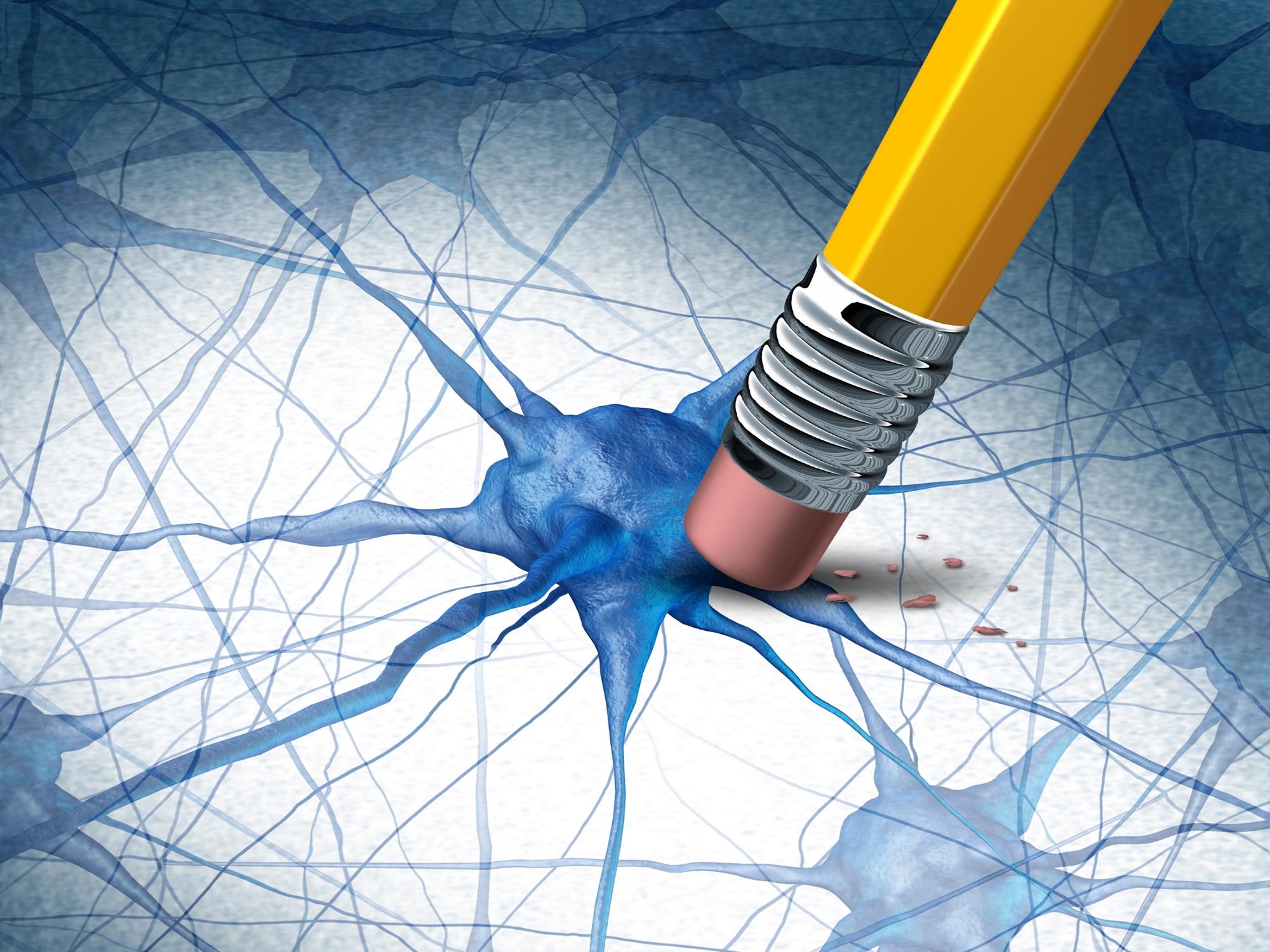
A longevity-linked metabolite restored key memory processes in Alzheimer’s models, highlighting aging biology as a promising therapeutic target.
Singapore ranks among the countries with the longest life expectancy, yet many people spend nearly ten of their later years living with poor health. Researchers at the Yong Loo Lin School of Medicine, National University of Singapore are investigating whether the biological processes of aging itself can be altered to reduce the risk of age-related conditions, including Alzheimer’s disease.
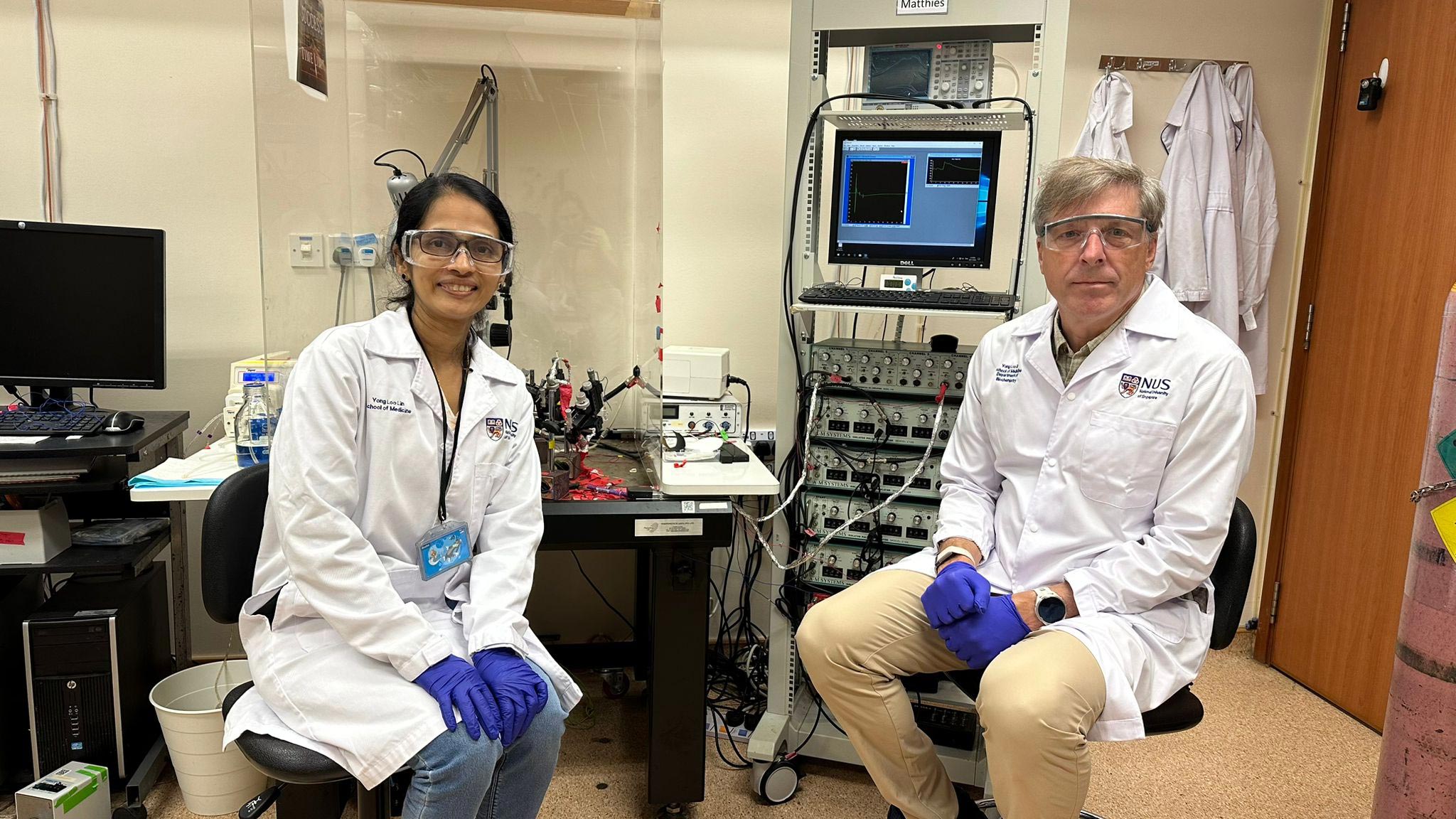
In a study published in Aging Cell, a research team led by Professor Brian K Kennedy from the Department of Biochemistry and Chair of the Healthy Longevity Translational Research Programme (TRP), NUS Medicine, reports that calcium alpha-ketoglutarate (CaAKG), a naturally occurring and well studied metabolite linked to healthy aging, can reverse several memory related brain functions that are disrupted in Alzheimer’s disease.
The researchers set out to determine whether CaAKG could improve synaptic plasticity in the Alzheimer’s brain, restore signalling pathways involved in memory, protect neurons from early degeneration, and support healthier cognitive aging overall. From a medical perspective, these findings point toward geroprotective strategies—approaches that aim to target the biology of aging itself rather than treating individual disease symptoms in isolation.
“Our findings reveal the exciting potential of longevity compounds in addressing Alzheimer’s disease,” said Prof Kennedy. “The research suggests that safe, natural compounds like CaAKG may one day complement existing approaches to protect the brain and slow memory loss. Because AKG is already present in our bodies, targeting these pathways may offer fewer risks and broader accessibility. Thanks to that, we may have a powerful new strategy to delay cognitive decline and support healthy brain aging.”
A longevity molecule restores memory function
The research found that CaAKG improves communication between brain cells in models of Alzheimer’s disease. In addition to strengthening weakened neural signaling, it brought back associative memory, which is among the first cognitive abilities to decline in Alzheimer’s. Since levels of AKG naturally decrease with age, restoring this molecule may offer a potential strategy for supporting healthier brain aging and reducing the risk of neurodegenerative conditions.
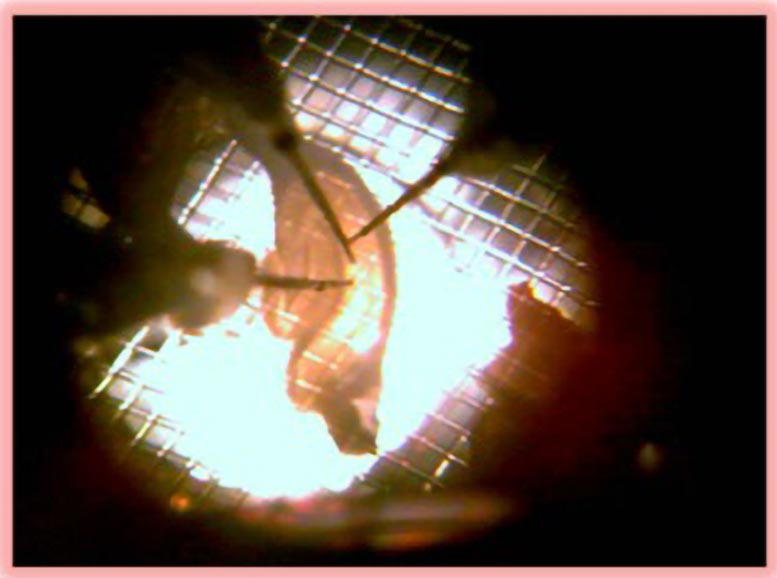
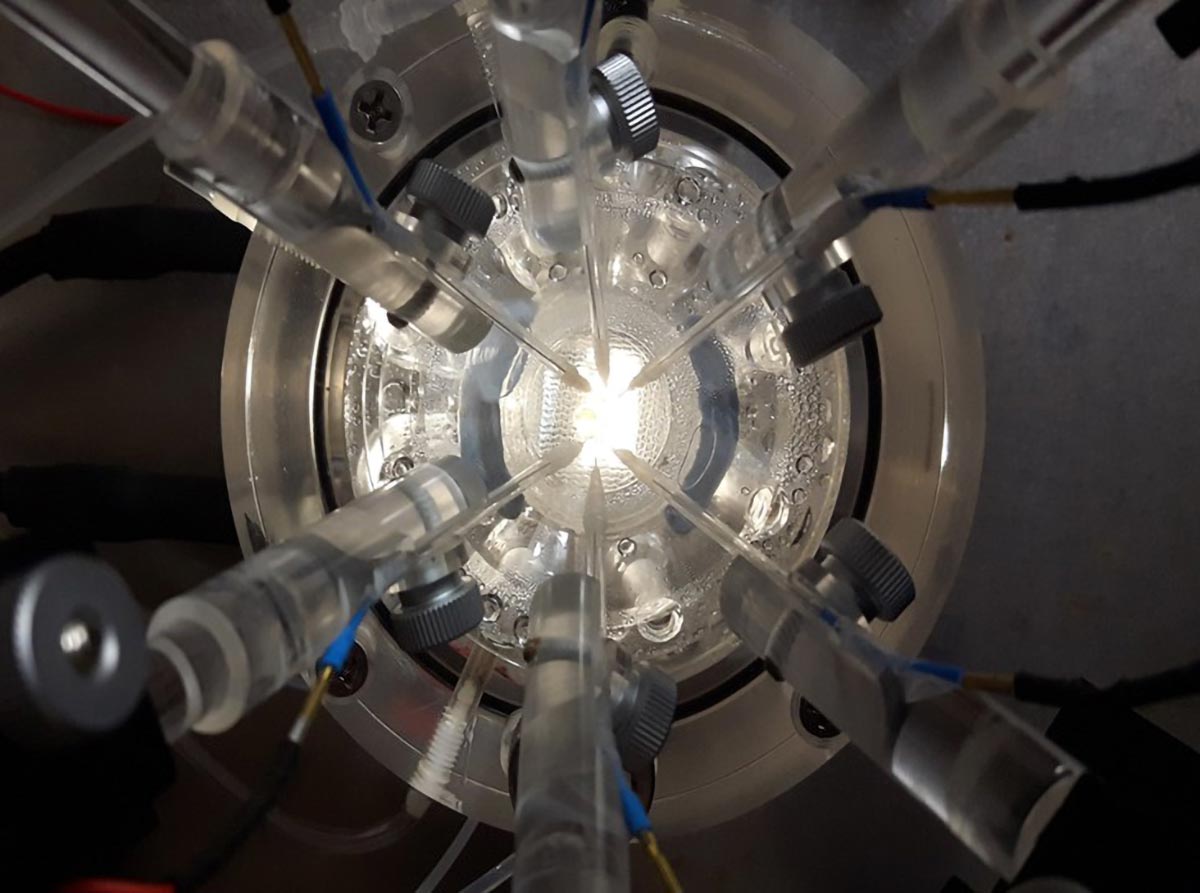
To understand how CaAKG helps the brain, the researchers measured long-term potentiation (LTP), which is the process that allows neurons to strengthen their connections. LTP is essential for learning and forming lasting memories, but in Alzheimer’s disease it becomes severely impaired.
The team found that CaAKG brought this signal-strengthening process back to normal. CaAKG also boosted autophagy, the brain’s built-in “clean-up” system that removes damaged proteins and keeps neurons healthy. The molecule worked through a newly identified pathway, helping neurons become more flexible by activating L-type calcium channels and calcium-permeable AMPA receptors, while avoiding NMDA receptors, which are often disrupted by amyloid buildup.
Importantly, CaAKG restored synaptic tagging and capture, a key mechanism that allows the brain to link events and form associative memories. This suggests CaAKG may support not just basic memory function, but also more complex learning abilities that decline early in Alzheimer’s disease.
From lifespan science to brain protection
“Our goal was to determine whether a compound originally explored for extending healthy lifespan could be helpful for Alzheimer’s disease,” said Dr Sheeja Navakkode, first author of the study, and research scientist at Healthy Longevity TRP, NUS Medicine. “Understanding the cellular mechanisms of how CaAKG improves synaptic plasticity sheds light on new ways to protect memory and slow brain aging.”
Reference: “Alpha-Ketoglutarate Ameliorates Synaptic Plasticity Deficits in APP/PS1 Mice Model of Alzheimer’s Disease” by Sheeja Navakkode and Brian K. Kennedy, 17 September 2025, Aging Cell.
DOI: 10.1111/acel.70235
The project was funded by the “NUHSRO/2020/114/Rethinking old drugs/BKK LOA”—Rethinking old drugs and natural products for aging and related diseases from NUS Medicine for B.K.K.
Never miss a breakthrough: Join the SciTechDaily newsletter.
Follow us on Google and Google News.
3 Comments
Send me results of these discoveries
SAFFRON cures Dementia, drain the Lymphatic System, eat jalapeño pepper daily to keep blood flowing Exercise Trampoline daily read about Elare.store and Resilia.shop
STAY HEALTHY
Unclogging the brain