
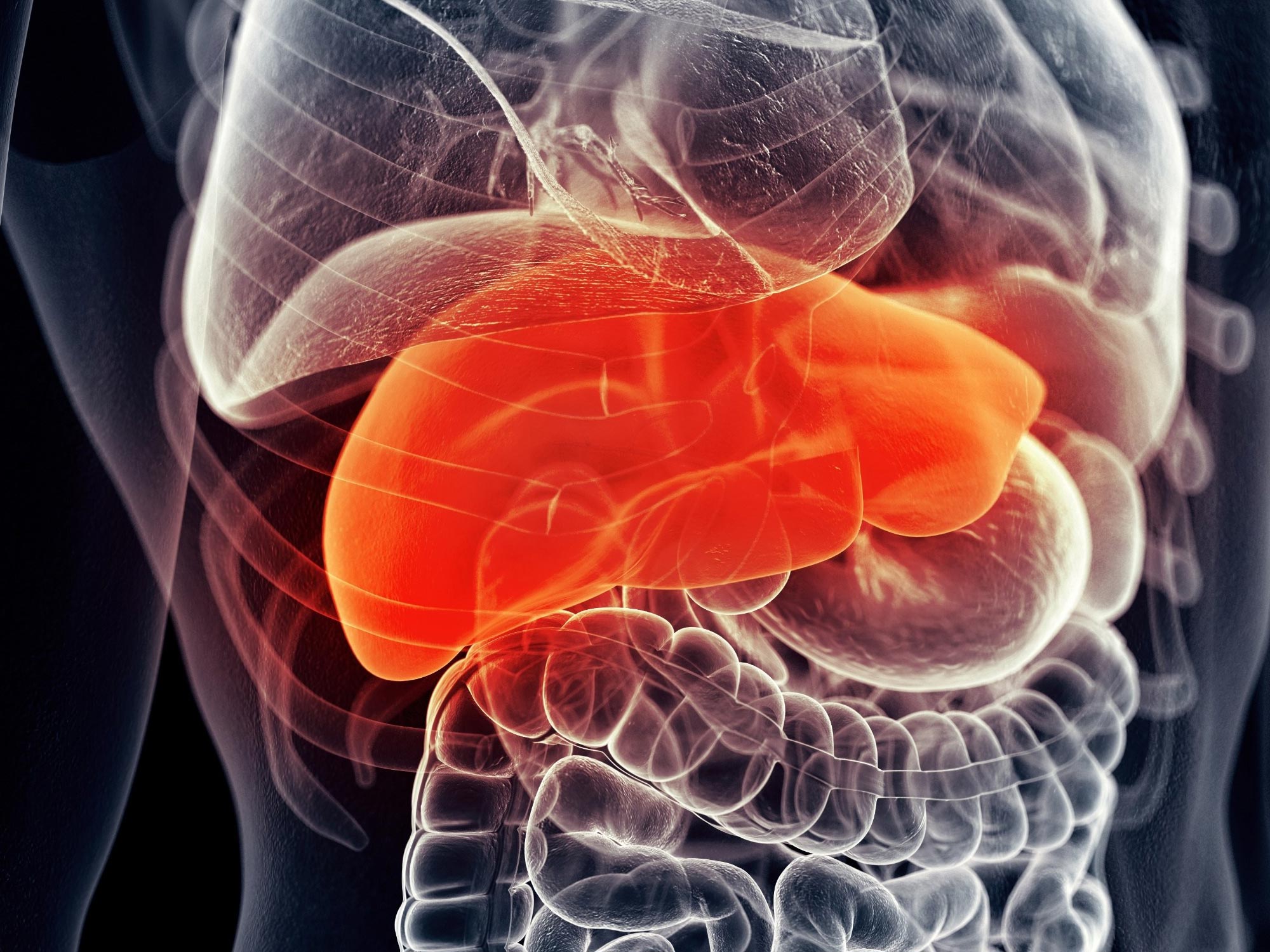
Salk scientists have found that eliminating the bile acid-producing protein BAAT and supplementing with the bile acid UDCA can regulate tumor growth in mice with liver cancer. This discovery suggests that UDCA dietary supplements could offer a fast and effective way to improve outcomes for liver cancer patients.
Immunotherapy is an advanced cancer treatment that harnesses a patient’s immune system to target and destroy tumors. It has significantly improved outcomes for various cancers, including those of the lung, kidney, and bladder. However, its effectiveness against liver cancer has been notably limited—a concerning issue given that liver cancer rates have nearly tripled over the past 40 years.
To investigate why immunotherapy is less effective for liver cancer, researchers at the Salk Institute examined the interaction between the immune system and the liver. Their studies of mouse and human liver tumors revealed that certain bile acids in the liver can influence the function of T cells, the immune cells responsible for fighting cancer.
Discovery of Bile Acids’ Role in Liver Cancer
The researchers identified several liver bile acids associated with impaired T cell function and tumor growth, and were able to successfully halt tumor growth and shrink existing tumors by blocking their production. They also saw that one specific bile acid—ursodeoxycholic acid (UDCA)—had a positive effect on T cell activity in the liver.
In fact, boosting the levels of this bile acid through dietary supplementation was enough to control tumor growth in mice with liver cancer. Because these supplements are already commercially available and used to help treat other liver diseases, the researchers are hopeful that UDCA could be incorporated into liver cancer treatment plans to make immunotherapy more effective for these patients.

The findings, published in Science on January 9, 2025, help explain why immune cells behave differently in different tumor environments and offer several new molecular targets for improving liver cancer treatment and immunotherapy.
“How do organ-specific properties and processes influence the immune response?” asks Professor Susan Kaech, senior author of the study and director of Salk’s NOMIS Center for Immunobiology and Microbial Pathogenesis. “Livers have a particularly unique environment, but we didn’t really understand how it was affecting the immune and cancer cells. By investigating these liver-specific features, we have identified several potential ways to regulate bile acids, improve T cell performance, and enhance patient outcomes.”
The Complex Role of Bile Acids
The liver produces more than 100 different bile acids, which move through the intestines where they play important roles in digestion. For T cells to fight cancer in the liver, they must function around these bile acids. Previous research has shown that excess bile acids can indicate poor health and exacerbate cancer, but because most studies failed to separate the effects of each individual bile acid, their specific roles in cancer remained unclear.
“Considering how T cell performance varies across different organs, tissues, and tumors puts us at a great vantage point for looking at ways to optimize cancer treatment,” says Siva Karthik Varanasi, a former postdoctoral researcher in Kaech’s lab and current assistant professor at the University of Massachusetts Chan Medical School. “By taking this unique approach, we’re able to see that bile acids in the liver are hugely influencing T cells’ ability to do their job and therefore may be a useful therapeutic target.”

To explore the unique features of the liver tumor environment, the Salk team first catalogued which bile acids were present in human liver cancer biopsies. They discovered that the liver tumor samples had elevated levels of conjugated bile acids, then asked whether this class of bile acids was directly contributing to cancer development. After removing a protein called BAAT that makes conjugated bile acids, they saw a reduction in tumor burden in their mice—a strong indicator that regulating BAAT levels in humans with liver cancer may improve their response to immunotherapy.
Next, they separated out 20 different bile acids to see their individual impacts on T cell health. Primary bile acids had little effect, except for one called TCDCA, which induced oxidative stress—a molecular imbalance that can lead to cell and tissue damage. Secondary bile acids were much more influential, with two showing especially significant effects: LCA and UDCA.
Potential Clinical Applications
LCA impaired T cell function by causing endoplasmic reticulum stress, wherein cells can no longer properly fold and modify proteins. UDCA improved T cell function, promoting the recruitment of immune cells to the liver. Dietary supplementation of UDCA was enough to control tumor growth in mice with liver cancer, offering an easily translatable approach to boosting immunotherapy efficacy in liver cancer patients.
These findings may shape the future of liver cancer treatment, demonstrating that reducing BAAT and increasing UDCA can control tumor growth and improve T cell and immunotherapy efficacy.
“We’re already a huge step ahead when it comes to translating our findings to the clinic, because UDCA supplementation is already used to treat liver disease and could easily be tested in liver cancer next,” says Kaech, who also holds the NOMIS Chair at Salk. “We are really excited to also explore the role of the gut microbiome in all of this, since bile acids are a huge part of that picture—how can we manipulate ‘good’ and ‘bad’ bacteria in the microbiome to further regulate bile acid levels? How does the microbiome change during liver cancer? Could probiotics be a therapeutic approach?”
In addition to exploring dietary and microbiome manipulations that could help with liver cancer, the team is curious to see if other conditions could be treated by targeting BAAT. Already, they believe chronic liver disease and obesity may benefit from the same reduction of conjugated bile acids.
Reference: “Bile acid synthesis impedes tumor-specific T cell responses during liver cancer” by Siva Karthik Varanasi, Dan Chen, Yingluo Liu, Melissa A. Johnson, Cayla M. Miller, Souradipta Ganguly, Kathryn Lande, Michael A. LaPorta, Filipe Araujo Hoffmann, Thomas H. Mann, Marcos G. Teneche, Eduardo Casillas, Kailash C. Mangalhara, Varsha Mathew, Ming Sun, Isaac J. Jensen, Yagmur Farsakoglu, Timothy Chen, Bianca Parisi, Shaunak Deota, Aaron Havas, Jin Lee, H. Kay Chung, Andrea Schietinger, Satchidananda Panda, April E. Williams, Donna L. Farber, Debanjan Dhar, Peter D. Adams, Gen-Sheng Feng, Gerald S. Shadel, Mark S. Sundrud and Susan M. Kaech, 9 January 2025, Science.
DOI: 10.1126/science.adl4100
Other authors include Dan Chen, Melissa Johnson, Kathryn Lande, Michael LaPorta, Filipe Hoffmann, Thomas Mann, Eduardo Casillas, Kailash Mangalhara, Varsha Mathew, Ming Sun, Yagmur Farsakoglu, Timothy Chen, Bianca Parisi, Shaunak Deota, H. Kay Chung, Satchidananda Panda, April Williams, and Gerald Shadel of Salk; Jin Lee, Yingluo Liu, Cayla Miller, and Gen-Sheng Feng of UC San Diego; Souradipta Ganguly and Debanjan Dhar of UC San Diego and Sanford Burnham Prebys Medical Discovery Institute; Marcos Teneche, Aaron Havas, and Peter Adams of Sanford Burnham Prebys Medical Discovery Institute; Isaac Jensen and Donna Farber of Columbia University; Andrea Schietinger of Memorial Sloan Kettering Cancer Center, Weill Cornell Graduate School of Medical Sciences, and Parker Institute for Cancer Immunotherapy; and Mark Sundrud of Dartmouth College.
The work was supported by the National Institutes of Health (NCI CCSG: P30 014195, S10-OD023689, P30 AG068635, P30 CA014195, P01 AG073084, R01 CA240909-04, R21 AI151562, F31CA278581, CCSG Grant P30CA23100, R01DK137061, R01DK133930, DK120515, R01AI143821, R01AI164772, U01AI163063), Waitt Foundation, Helmsley Charitable Trust, Chapman Foundation, Cancer Research Institute, National Cancer Center, NOMIS Foundation, Salkexcellerators Fellowship, Damon Runyon Fellowship, Audrey Geisel endowed Chair of Biomedical Science, Altman Clinical Translational Research Institute (KL2TR001444), San Diego Digestive Diseases Research Center, and Dartmouth Cancer Center.
Never miss a breakthrough: Join the SciTechDaily newsletter.
Follow us on Google and Google News.
8 Comments
What are the two steps for weakening cancer
Love this article, thanks!
I was interested in the specific bile actions against liver cancer since I’ve been taking bovine bile for my damaged gall bladder and milk thistle for my liver, both significally damaged by iron overload. I also take the homeopathic chelidonium majus for the gall bladder. This treatment has proved beneficial over the long run. But this article makes me wonder just what types of bile I am taking and whether or not these are things that these scientists should include in their studies as many people do exactly what I’m doing. It definitely seems improved to me…but could we be inadvertently taking the wrong thing?
Sounds like anything consumed has some link to developing cancer
….entropy,………alas……
After discovering I had autism and did a deep dive into the numerous toxins contained in virtually everything I would say that virtually EVERYTHING you eat has a positive or negative or both effects on your body. And if you have a toxic reaction then it’s a further burden on whatever health issue you have. It doesn’t matter if it’s cancer or something else.
As far as I understand it there are a lot of fairly common genetic defects one may have, along with a lot of so called rare disorders that over time are being reclassified as far more common than expected.
In such cases food has a remarkable effect on the body as do supplements or specific foods containing remarkable foods most should eat such as essential fatty acids among others.
In our lifetime and I’m pretty old, we are going to see an amazing growth in the number of very elderly and healthy people.
It’s called TUDCA, it’s been around for ages in holistic medicine only doctors never recommended it bc they don’t study it. They use the wrong B12 too
Don’t use words like scientists discovered – they didn’t discover anything. It’s been around for ages. TUDCA and Curcumin combined shrink tumors. What you forgot to say is diet is important. No meat, no dairy, no glcopathe packed starches. Just organic non sugary fruits and vegetables. No alcohol, only carrot juice and coconut water straight from the fruit
Not sure I’d consider this living
What type of B12 is appropriate?