
Close Menu
    Facebook X (Twitter) Instagram
    SciTechDaily
    • Biology
    • Chemistry
    • Earth
    • Health
    • Physics
    • Science
    • Space
    • Technology
    Facebook X (Twitter) Pinterest YouTube RSS
    SciTechDaily
    Home»Health»Scientists Discover Why People Love Foods Rich in Fats and Carbohydrates
    Health

    Scientists Discover Why People Love Foods Rich in Fats and Carbohydrates

    By Dr. Annegret Burkert, Max Planck InstituteJune 15, 2018No Comments3 Mins Read
    Facebook Twitter Pinterest Telegram LinkedIn WhatsApp Email Reddit
    Share
    Facebook Twitter LinkedIn Pinterest Telegram Email Reddit
    Foods Rich in Fats and Carbohydrates Stimulate the Brain
    Food which contains both lots of fat and carbohydrates activates the reward system of the brain. This can make people keep eating in spite of being full.

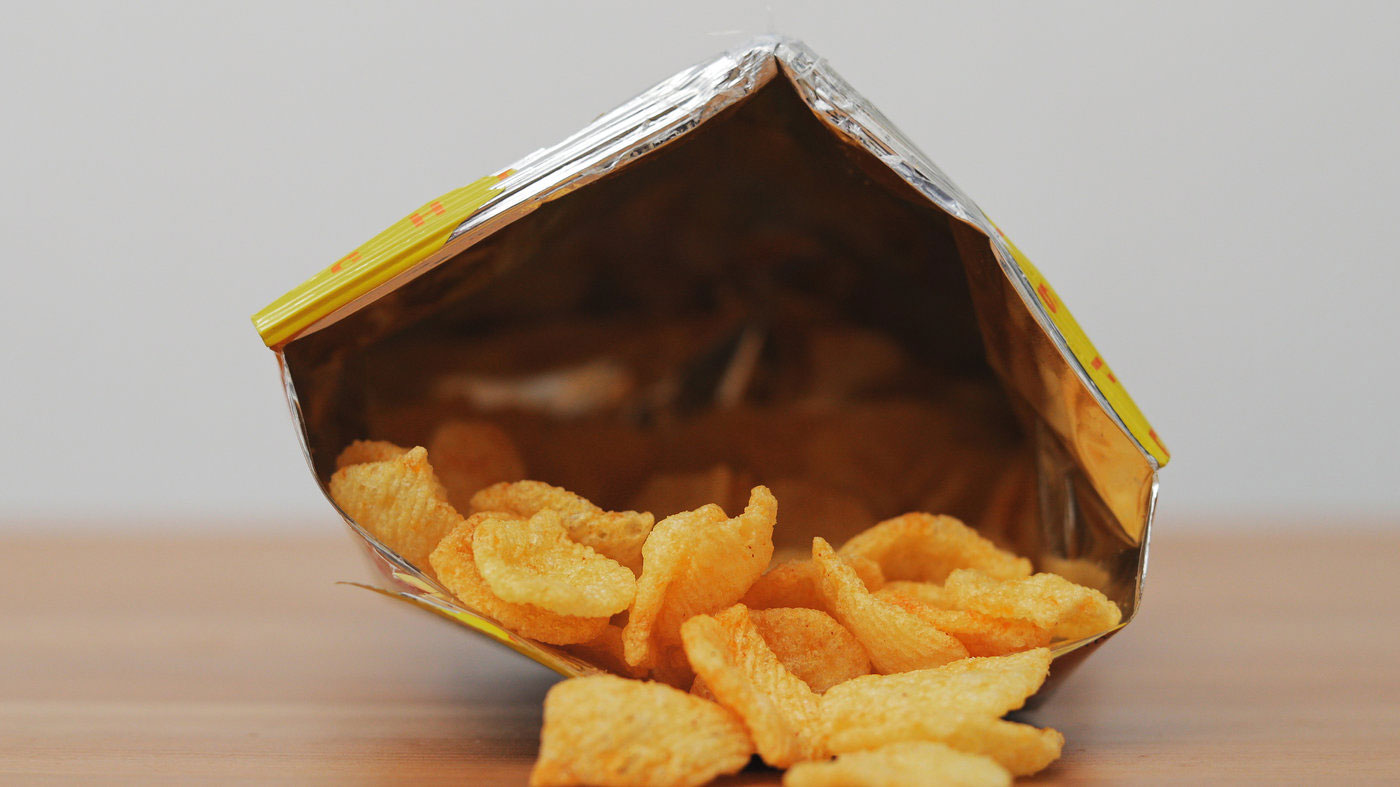
    French fries, cream cake, chips, and candy bars make you fat and unhealthy. Still, we cannot keep our hands off it. Scientists at the Max Planck Institute for Metabolism Research in Cologne have now found an explanation for this: foods that are rich in both fats and carbohydrates have a particularly strong influence on the reward system in our brains.

    Both fatty and carbohydrate-rich foods activate the reward system in the brain, albeit via different signaling pathways. When carbohydrates and fats come together in the food, this effect is intensified. In nature, there are no foods that contain a high proportion of fats and carbohydrates: Either they are rich in fats, as in nuts, or rich in carbohydrates, as in the case of potatoes or cereals.

    An exception is breast milk. “All mammals know breast milk,” says research group leader Marc Tittgemeyer from the Max Planck Institute for Metabolism Research, who conducted the study in collaboration with researchers from Yale University in Connecticut. “Probably we are influenced by breast milk to respond intensively to food rich in carbohydrates and fats and perceive this as particularly rewarding, because this is vital.”

    Play for food

    The scientists wanted to know if people show preferences for foods of different calorie sources. To answer this question, 40 volunteers played a computer for food. The offered foods were high in fat, carbohydrates or both. To earn it, the subjects had to outbid the computer and thereby the willingness to pay was examined. Most of the money was offered for the high-fat and high-carbohydrate food indicating that it was apparently the most attractive to the participants of the study.

    While playing, the researchers recorded the subjects’ brain activity in a magnetic resonance tomography. The measurements showed that a combination of fats and carbohydrates activates the brain areas of the reward system more intensively than the other foods on offer. This finding is consistent with the results of the game.

    Reward signal is stronger than satiety

    A reward that has contributed to human survival in evolution is destroying us in today’s world of abundance. “We are not meant to say no all the time. That’s why we usually do not stop eating, even though we’re full,” stresses Tittgemeyer. Obviously, the reward signals overshadow satiety — over-saturation and obesity are the consequences.

    In addition, the estimation of the nutritional value of high-fat and carbohydrate-rich food is difficult: asking the participants of the study to estimate the calorie content of the presented food, they succeeded in the high-fat or carbohydrate food relatively accurately. In contrast, they were often wrong by foods high in fats and carbohydrates. However, those kinds of foods do not automatically produce more calories.

    The findings could play an important role in the treatment of overweight people. Especially when eating becomes an addictive factor, the treatment of consumer behavior is of great importance and a fundamental step out of addiction.

    Reference: “Supra-Additive Effects of Combining Fat and Carbohydrate on Food Reward” by Alexandra G. DiFeliceantonio, Géraldine Coppin, Lionel Rigoux, Sharmili Edwin Thanarajah, Alain Dagher, Marc Tittgemeyer, Dana M. Small, 3 July 2018, Cell Metabolism.
    DOI: 10.1016/j.cmet.2018.05.018

    Never miss a breakthrough: Join the SciTechDaily newsletter.
    Follow us on Google and Google News.

    Diet Max Planck Institute Metabolism Nutrition
    Share. Facebook Twitter Pinterest LinkedIn Email Reddit

    Related Articles

    Scientists Identify Key Pathway for Brain Health Boost via Ketogenic Diet

    Battling Obesity: This Dietary Supplement Can Reduce Inflammation and Control Blood Sugar

    First-of-Its-Kind Study: Plant-Based Diets Improve Metabolic, Liver, and Kidney Health

    New Research Reveals That Insect Protein Can Slow Weight Gain and Boosts Health Status

    Why Do We Find It So Hard To Resist Treats Like Chocolate Bars? Scientists Discover Sweets Change Our Brain

    Scientists Discover That Eating Too Much During Development Permanently Alters the Brain

    Fountain of Youth: Cutting Calories and Eating at the Right Time of Day Leads to a Longer Life

    Researchers Find Belly Fat Is Resistant to Intermittent Fasting – “The Location Makes a Big Difference”

    Surprising Study Finds Sweet Taste Can Reduce Appetite

    Leave A Reply Cancel Reply

    • Facebook
    • Twitter
    • Pinterest
    • YouTube

    Don't Miss a Discovery

    Subscribe for the Latest in Science & Tech!

    Trending News

    First-of-Its-Kind Discovery: Homer’s Iliad Found Embedded in a 1,600-Year-Old Egyptian Mummy

    Beyond Inflammation: Scientists Uncover New Cause of Persistent Rheumatoid Arthritis

    A Simple Molecule Could Unlock Safer, Easier Weight Loss

    Scientists Just Built a Quantum Battery That Charges Almost Instantly

    Researchers Unveil Groundbreaking Sustainable Solution to Vitamin B12 Deficiency

    Millions of People Have Osteopenia Without Realizing It – Here’s What You Need To Know

    Researchers Discover Boosting a Single Protein Helps the Brain Fight Alzheimer’s

    World-First Study Reveals Human Hearts Can Regenerate After a Heart Attack

    Follow SciTechDaily
    • Facebook
    • Twitter
    • YouTube
    • Pinterest
    • Newsletter
    • RSS
    SciTech News
    • Biology News
    • Chemistry News
    • Earth News
    • Health News
    • Physics News
    • Science News
    • Space News
    • Technology News
    Recent Posts
    • Weight-Loss Drugs Like Ozempic May Come With an Unexpected Cost
    • After Decades, MIT Researchers Capture the First 3D Atomic View of a Mysterious Material
    • Your Favorite Fishing Spot Is Turning Brown – and the Fish Are Changing
    • 380-Million-Year-Old Fish Fossil Reveals Secrets of Life’s First Steps Onto Land
    • Mezcal “Worm” in a Bottle Mystery: DNA Testing Reveals a Surprise
    Copyright © 1998 - 2026 SciTechDaily. All Rights Reserved.
    • Science News
    • About
    • Contact
    • Editorial Board
    • Privacy Policy
    • Terms of Use

    Type above and press Enter to search. Press Esc to cancel.