
Close Menu
    Facebook X (Twitter) Instagram
    SciTechDaily
    • Biology
    • Chemistry
    • Earth
    • Health
    • Physics
    • Science
    • Space
    • Technology
    Facebook X (Twitter) Pinterest YouTube RSS
    SciTechDaily
    Home»Health»Scientists Examine the Microbes That Thrive in Air Conditioning
    Health

    Scientists Examine the Microbes That Thrive in Air Conditioning

    By Bill Hathaway, Yale UniversityJuly 23, 20181 Comment3 Mins Read
    Facebook Twitter Pinterest Telegram LinkedIn WhatsApp Email Reddit
    Share
    Facebook Twitter LinkedIn Pinterest Telegram Email Reddit

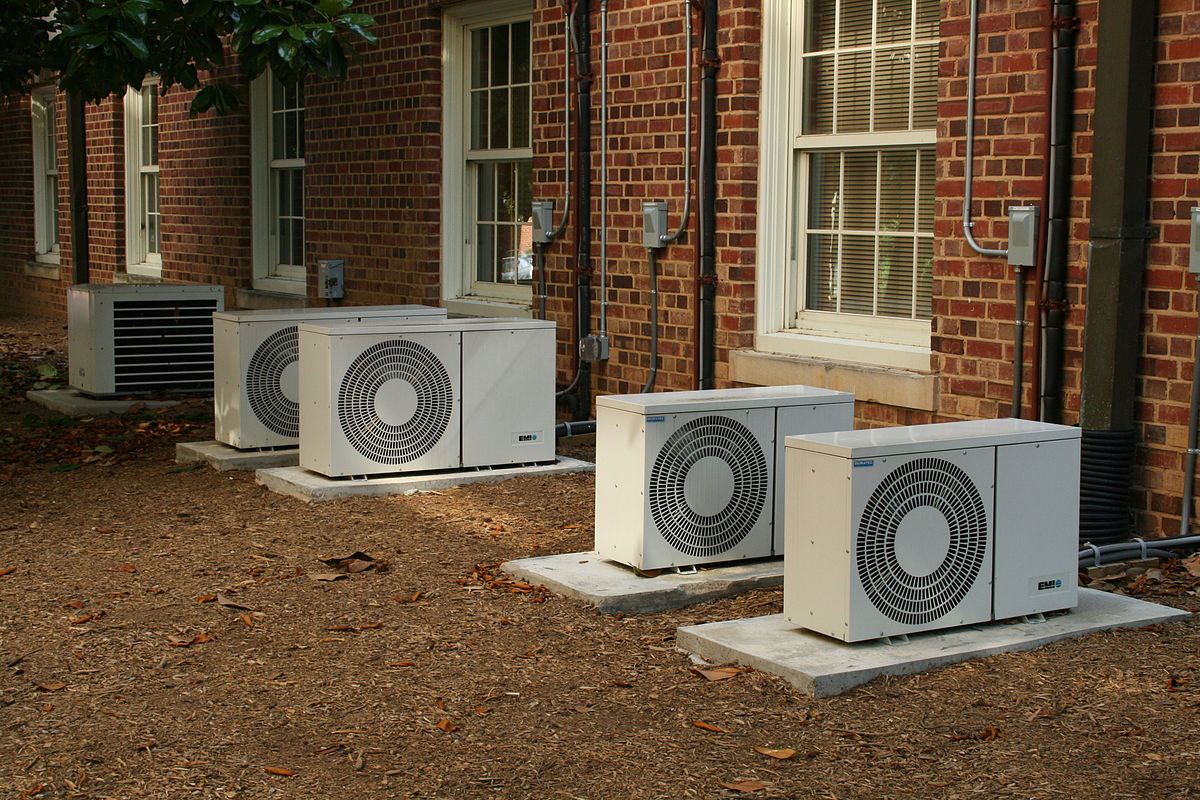
    Microbes that Thrive in Air Conditioning

    Typically, we don’t think too much about the inner workings of our air-conditioning units, even as we enjoy the relief they bring on sweltering days. But Yale researchers have found that microbes are in abundance on the coils within A/C units – some more than others, depending on conditions.

    The study, from the lab of Jordan Peccia, the Thomas E. Golden, Jr. Professor of Chemical & Environmental Engineering, was published in the journal Indoor Air. The unique environments of air-conditioning units – with their cold, alternating wet and dry conditions – are the kind that can promote the growth of a narrow range of microbes.

    Temperatures and dew points, the researchers found, play a major role in how much bacteria and fungi were found on the coils of the air conditioning units.

    “The moisture was a big deal,” said Alexa Bakker, first author of the study, and a Ph.D. student in Peccia’s lab. For instance, an A/C unit in California was likely to have fewer microbes than one in Connecticut, due to the lower humidity there.

    Maintenance and equipment also played a significant role. “One of the things we also found is that the filters make a huge difference,” Bakker said. Filters with a higher minimum efficiency reporting value (MERV) allow fewer particles through. They’re more expensive but could be worth it if you don’t want a lot of microbes inside your air conditioning units.

    The units they studied are the huge commercial kind that you can walk into, like those used at offices and schools, but Bakker said their findings likely relate to typical home units, too. To keep A/C microbes to a minimum, she suggests upgrading to higher quality inlet filters.

    Previous studies have shown a higher proportion of illness among people who work in offices using central air conditioning. Reported symptoms are most often minor ones, such as the tightening of the chest and dry coughs, but exposure to air conditioners has also been linked to Legionnaire’s disease. The Peccia lab is looking further into this to get a better sense of the connection between air conditioning, health, and a building’s overall environment. They’re currently using air samples to look at how far into the building the microbes travel beyond the units themselves and making an analysis of exactly what kinds of microbes make their home inside air conditioning units.

    Reference: “Building and environmental factors that influence bacterial and fungal loading on air conditioning cooling coils” by A. Bakker, J. A. Siegel, M. J. Mendell and J. Peccia, 30 May 2018, Indoor Air.
    DOI:10.1111/ina.12474

    Never miss a breakthrough: Join the SciTechDaily newsletter.
    Follow us on Google and Google News.

    Environmental Science Microbes Yale University
    Share. Facebook Twitter Pinterest LinkedIn Email Reddit

    Related Articles

    Yale Study Links Air Pollutants to Abnormal Fetal Growth in China

    Yale Study Reveals Toxins in Fracking Fluids and Wastewater

    Drinking Water Contamination Likely from Hydraulic Fracturing Surface Releases, Not Migration from Gas Wells or Deep Shale Layers

    Yale Study Shows More Health Symptoms Reported Near ‘Fracking’ Sites

    Inexpensive Strategies Linked to Lowering Heart Attack Mortality Rates

    Obese Children with Genetic Variants Susceptible to Fatty Liver Disease

    Experimental Evidence that Fetal Exposure to Cell Phones Affects Behavior

    Ticks, Lyme Disease and Public Health

    Altered Microbes that Cause Obesity & Chronic Liver Disease May be Infectious

    1 Comment

    1. Bonnie Davis on July 24, 2018 5:47 am

      I was plagued with sinus problems and post nasal drips the entire 43 years of working in A/C hospitals. The first 7 were in non A/C hospitals. Once I retired to my own house and own A/C I had neither problem. I do use expensive high quality filters and have the unit serviced annually.

      Reply
    Leave A Reply Cancel Reply

    • Facebook
    • Twitter
    • Pinterest
    • YouTube

    Don't Miss a Discovery

    Subscribe for the Latest in Science & Tech!

    Trending News

    Scientists Say This Natural Hormone Reverses Obesity by Targeting the Brain

    35-Million-Year-Old Mystery: Strange Arachnid Discovered Preserved in Amber

    Is AI Really Just a Tool? It Could Be Altering How You See Reality

    JWST Reveals a “Forbidden” Planet With a Baffling Composition

    The Protein “Sabotaging” Aging Muscle Recovery Could Be Key to Surviving Aging

    This Diet–Gut Interaction Could Transform Fat Into a Calorie-Burning Machine

    Scientists Discover Hidden Virus Linked to Colorectal Cancer

    Scientists Discover 132-Million-Year-Old Dinosaur Tracks on South Africa’s Coast

    Follow SciTechDaily
    • Facebook
    • Twitter
    • YouTube
    • Pinterest
    • Newsletter
    • RSS
    SciTech News
    • Biology News
    • Chemistry News
    • Earth News
    • Health News
    • Physics News
    • Science News
    • Space News
    • Technology News
    Recent Posts
    • Scientists Create “Optical Tornadoes” That Twist Light Into a Swirling Vortex
    • Scientists Uncover Hidden Superconductivity in Material Once Thought Only Magnetic
    • Scientists Baffled by Bizarre “Living Fossil” From 275 Million Years Ago
    • 500 Million Years Ago, Life Changed Forever: Scientists Reveal the DNA Changes That Helped Animals Move Onto Land
    • Surprise RNA Discovery Challenges Long-Held Beliefs About How Genes Work
    Copyright © 1998 - 2026 SciTechDaily. All Rights Reserved.
    • Science News
    • About
    • Contact
    • Editorial Board
    • Privacy Policy
    • Terms of Use

    Type above and press Enter to search. Press Esc to cancel.