
Close Menu
    Facebook X (Twitter) Instagram
    SciTechDaily
    • Biology
    • Chemistry
    • Earth
    • Health
    • Physics
    • Science
    • Space
    • Technology
    Facebook X (Twitter) Pinterest YouTube RSS
    SciTechDaily
    Home»Science»Scientists Find a Hidden Plastic Cloud Hanging Over Cities
    Science

    Scientists Find a Hidden Plastic Cloud Hanging Over Cities

    By Chinese Academy of SciencesJanuary 7, 2026No Comments4 Mins Read
    Facebook Twitter Pinterest Telegram LinkedIn WhatsApp Email Reddit
    Share
    Facebook Twitter LinkedIn Pinterest Telegram Email Reddit
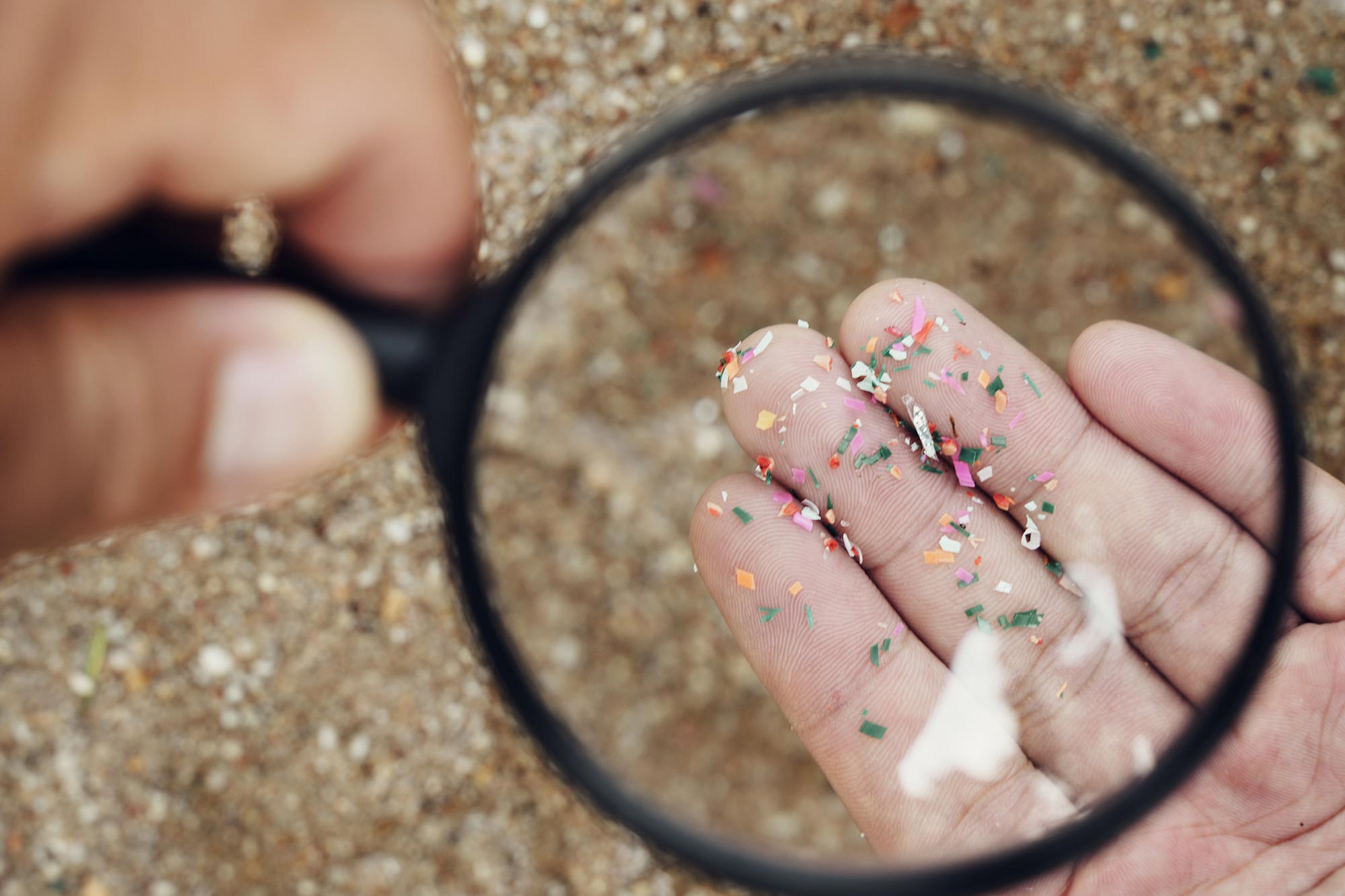
    Microplastic Particles Hand Water Magnifying Glass
    Scientists have uncovered shockingly high levels of microscopic plastic particles in the air over major cities, far exceeding previous estimates. The discovery suggests airborne plastics play a much bigger role in environmental and health impacts than once thought. Credit: Shutterstock

    The air around us may be carrying vastly more microscopic plastic than scientists ever realized.

    Over the last 20 years, scientists have come to recognize microplastics (MPs) and nanoplastics (NPs) as a growing form of pollution. These tiny plastic particles have now been found throughout the entire Earth system, including the atmosphere, hydrosphere, lithosphere, and biosphere.

    As evidence of their spread has grown, researchers studying climate change and biogeochemical cycles have paid increasing attention to plastics. Despite this interest, major questions remain unanswered. Scientists still struggle to measure how much plastic exists, where it comes from, how it changes over time, and where it ultimately ends up. These uncertainties are especially pronounced in the atmosphere, largely because current tools have difficulty detecting particles that range from microscopic to nanoscale sizes.
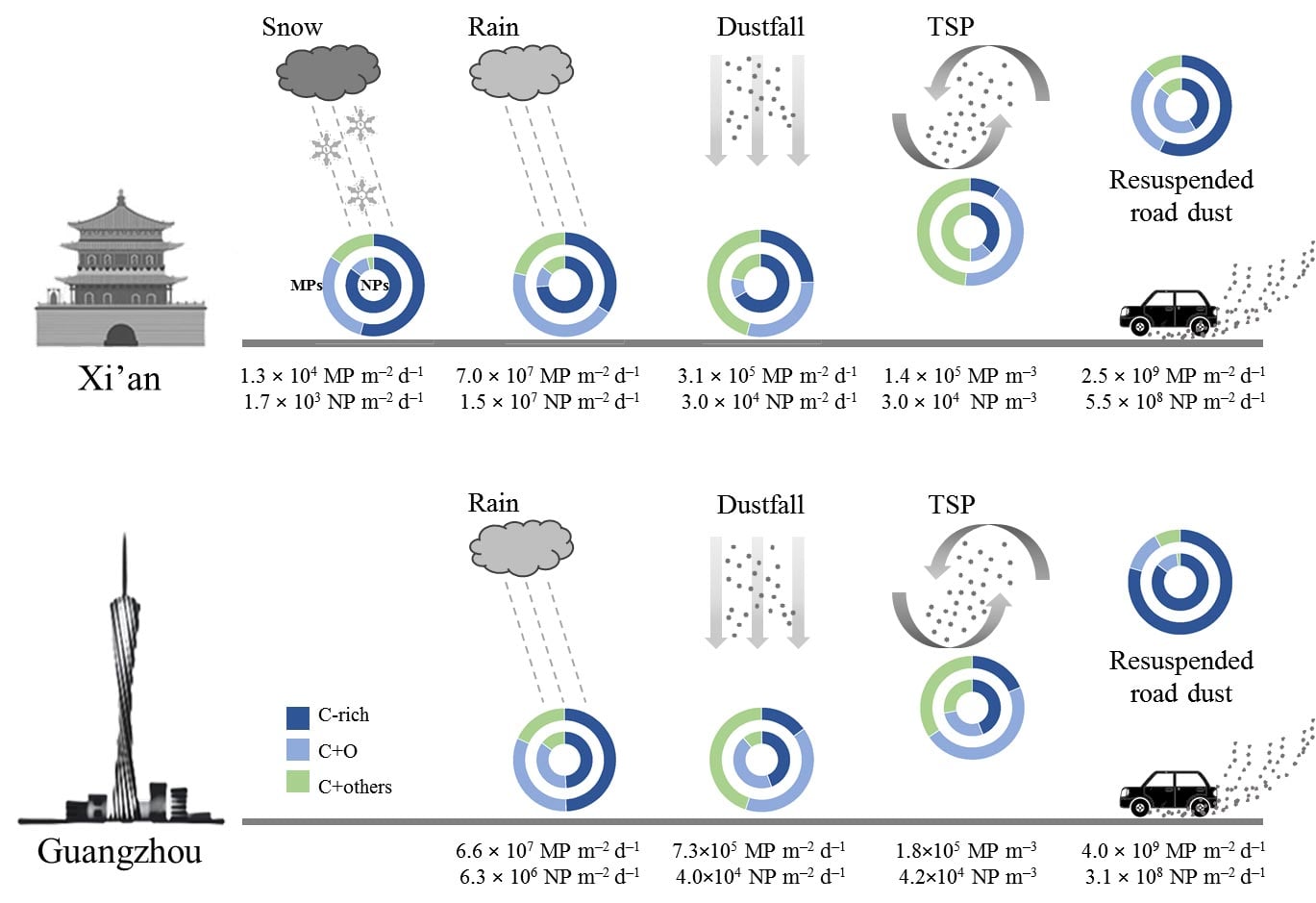
    MP and NP Abundances in Aerosols and Estimated Fluxes Across Atmospheric Compartments
    MP and NP abundances in aerosols and estimated fluxes across atmospheric compartments in semiarid (XA) and humid subtropical (GZ) urban environments. Credit: Institute of Earth Environment, CAS

    A New Way to Measure Plastic in the Air

    To overcome these limitations, researchers from the Institute of Earth Environment of the Chinese Academy of Sciences (IEECAS) created a semi-automated analytical approach designed to measure plastic particles in the air. The method also tracks how plastics move between different environmental pathways, including airborne particles, dustfall, rain, snow, and dust resuspension.

    The team applied this approach in two large Chinese cities, Guangzhou and Xi’an. Their system relies on computer-controlled scanning electron microscopy, which reduces human subjectivity compared with traditional manual analysis. This allowed the researchers to detect plastic particles with greater consistency and sensitivity than earlier techniques.
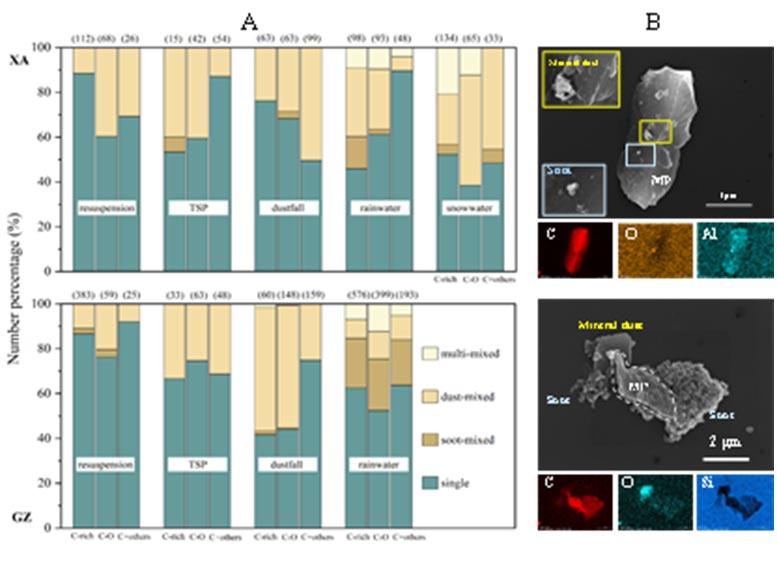
    Plastic Aggregate Mixing States Across Atmospheric Compartments
    Plastic aggregate mixing states across atmospheric compartments in XA and GZ city. Credit: Institute of Earth Environment, CAS

    Plastic Levels Far Higher Than Expected

    Using this automated system, the scientists found plastic concentrations in total suspended particulates (TSP) and dustfall fluxes that were two–six orders of magnitude higher than levels reported by visual identification methods (e.g., manual SEM-EDX, μ-FTIR, or μ-Raman). These results suggest that previous studies may have significantly underestimated the amount of plastic present in the atmosphere.

    The study also revealed that the movement of MPs and NPs varied widely across atmospheric pathways, spanning two to five orders of magnitude. Much of this variation was linked to road dust resuspension and wet deposition. Samples collected from deposition showed more diverse mixtures of plastic particles than those taken from aerosols or resuspended dust, pointing to increased particle clumping and removal as plastics travel through the air.

    Why Atmospheric Plastics Matter

    Notably, this research represents the first time nanoplastics as small as 200 nm have been detected in complex environmental samples. The findings offer one of the most detailed measurements to date of plastics in the atmosphere, which remains the least understood part of the global plastic cycle.

    By clarifying how plastics move, transform, and settle from the air, the study provides important insight into their potential effects on climate processes, ecosystems, and human health.

    The research was published today (January 7) in Science Advances.

    Reference: “Abundance of microplastics and nanoplastics in urban atmosphere” by Tafeng Hu, Chongchong Zhang, Yuqing Zhu, Jing Duan, Suixin Liu, Niu Jin, Yingpan Song, Feng Wu, Jianjun Li, Ting Zhang, Hongya Niu, Xuxiang Li, Hong Huang, Gary S. Casuccio, Yu Huang, Kin-Fai Ho, Junji Cao and Daizhou Zhang, 7 January 2026, Science Advances.
    DOI: 10.1126/sciadv.adz7779

    Never miss a breakthrough: Join the SciTechDaily newsletter.
    Follow us on Google and Google News.

    Atmospheric Science Chinese Academy of Sciences Microplastics Pollution
    Share. Facebook Twitter Pinterest LinkedIn Email Reddit

    Related Articles

    Unexpected Decrease in Ammonia Emissions in China Due to COVID-19 Lockdowns

    Airplanes Could Save Fuel, Time and Emissions by Better Surfing the Wind

    Mount Everest: Microplastics in the Death Zone

    Devices Can Reduce Fibers Produced From Washing Machines by Up to 80%

    Increasingly Mobile Sea Ice Risks Polluting Arctic Neighbors With Oil and Microplastics

    Shutdown of Coal-Fired Power Plants in U.S. Saved Thousands of Lives

    Smog-Eating Graphene Composite Reduces Atmospheric Pollution With Sunlight

    Weathering Antarctic Storms and the Importance of Weather Balloon Data

    Dramatic Decline in Atmospheric Organic Aerosol in USA

    Leave A Reply Cancel Reply

    • Facebook
    • Twitter
    • Pinterest
    • YouTube

    Don't Miss a Discovery

    Subscribe for the Latest in Science & Tech!

    Trending News

    New Pill Lowers Stubborn Blood Pressure and Protects the Kidneys

    Humans May Have Hidden Regenerative Powers, New Study Suggests

    Scientists Just Solved the Mystery of Why Crabs Walk Sideways

    Doctors Are Surprised by What This Vaccine Is Doing to the Heart

    This Popular Supplement May Boost Your Brain, Not Just Your Muscles

    Scientists Say This Simple Supplement May Actually Reverse Heart Disease

    Warming Oceans Could Trigger a Dangerous Methane Surge

    This Simple Movement Could Be Secretly Cleaning Your Brain

    Follow SciTechDaily
    • Facebook
    • Twitter
    • YouTube
    • Pinterest
    • Newsletter
    • RSS
    SciTech News
    • Biology News
    • Chemistry News
    • Earth News
    • Health News
    • Physics News
    • Science News
    • Space News
    • Technology News
    Recent Posts
    • AI Learns To Work Backward and Reveal Hidden Forces in Nature
    • Scientists Warn of Rising Male Childlessness As Global Fertility Changes
    • New Discovery Challenges Decades-Old Theory of DNA Damage and Aging
    • Scientists Just Rewrote Biology: “Hidden” Mechanism Could Transform Diabetes Treatment
    • Scientists Solve 320-Million-Year Mystery of Reptile Skin Armor
    Copyright © 1998 - 2026 SciTechDaily. All Rights Reserved.
    • Science News
    • About
    • Contact
    • Editorial Board
    • Privacy Policy
    • Terms of Use

    Type above and press Enter to search. Press Esc to cancel.