
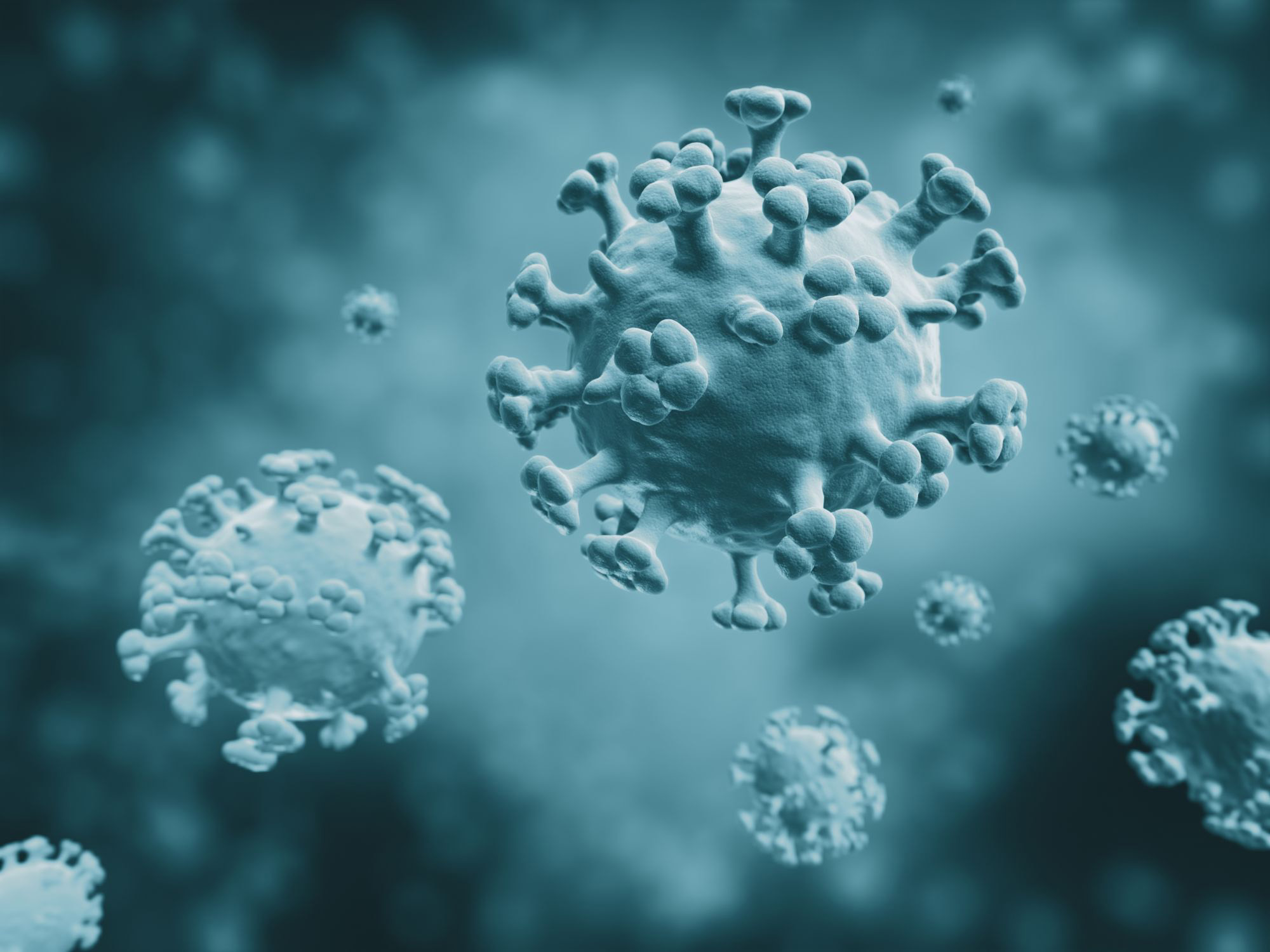
Researchers have long understood that certain viruses and bacteria initiate infections by initially attaching to sugar molecules present on the cell surfaces lining the sinuses and throats of mammals, including humans. For example, viral particles can bind to these molecules, known as sialic acids, or SAs, in a manner similar to keys fitting into locks.
Now, a new study in infant mice shows that keeping virus particles from attaching to SAs limits more than just the entry of influenza A viral infections, but also hinders their exit (shedding) and transmission from mouse to mouse. Such infections are the main cause of the seasonal flu that kills more than 36,000 Americans annually. While vaccines to guard against infection and symptom treatments exist, they are not foolproof, scientists say, and more strategies are needed to prevent infection from spreading.
Research Methodology and Results
Led by researchers from NYU Grossman School of Medicine, the study team stripped away, or desialylated, SA receptors by placing directly into mouse nasal cavities a neuraminidase enzyme known to loosen the acids’ ability to remain attached to cell surfaces. The infant mice were then infected with influenza A. Results showed treatment with the neuraminidase enzyme dramatically cut mouse-to-mouse transmission rates by more than half (from 51% to 100% ) in a half-dozen influenza strains tested.
Publishing in the American Society for Microbiology journal mBio, the work was conducted in infant mice, which unlike those even a few months older or adult mice, were found by the research team to have many sialic acids in the upper portion of their respiratory tract. Specifically, the team blocked two SAs, technically called alpha-2,3 SA and alpha-2,6 SA receptors (the locks). These are known to be widely present in the human respiratory tract, which researchers say makes infant mice a strong comparable model for studying the spread of the infectious disease in children, who are also recognized as important “drivers” of flu transmission among people.
Implications for Human Health
“If further experiments in humans prove successful, desialylating neuraminidase enzymes may prevent the flu from spreading,” said Ortigoza,” said lead study investigator and infectious disease specialist Mila Ortigoza, MD, PhD.
“While current approaches with vaccines and treatments target the virus, ours is the first study to demonstrate that treating the host, either infected mice or potentially infected humans, to prevent them from transmitting the virus to another host could be another effective strategy for combating pervasive infectious diseases,” said Ortigoza, who is also an assistant professor in the Departments of Medicine and Microbiology at NYU Langone.
Ortigoza cautions that extensive clinical research is needed before neuraminidases can be considered for approval as a treatment in humans. She says the team already has plans for more experiments to examine why infants are more susceptible to infection from respiratory viruses and whether blocking sialic acids in children can also prevent the spread of influenza.
Reference: “Inhibiting influenza virus transmission using a broadly acting neuraminidase that targets host sialic acids in the upper respiratory tract” by Mila B. Ortigoza, Catherina L. Mobini, Hedy L. Rocha, Stacey Bartlett, Cynthia A. Loomis and Jeffrey N. Weiser, 11 January 2024, mBio.
DOI: 10.1128/mbio.02203-23
Funding support for this study was provided by National Institutes of Health grants P30CA016087, S10OD021747, K08AI141759, and R01AI150893. Ansun Biopharma of San Diego, Calif., provided the experimental neuraminidase drug used in these experiments but was otherwise not involved in the study.
In addition to Ortigoza, other NYU Langone researchers involved in this study are Catherina Mobini; Hedy Rocha; Stacey Bartlett, PhD; Cynthia Loomis, MD, PhD; and Jeffrey Weiser, MD. Weiser is the Jan T. Vilcek Professor of Molecular Pathogenesis in the Department of Microbiology at NYU Langone Health and chair of the department.
Never miss a breakthrough: Join the SciTechDaily newsletter.
Follow us on Google and Google News.
1 Comment
So I wonder if a change to less sugar your diet makes you less likely to get the flu too – I’m now a semi-vegan, eat very little sugars also & have not had a cold or flu in the 7 years since I started this diet change ! Hmmmm !