
Close Menu
    Facebook X (Twitter) Instagram
    SciTechDaily
    • Biology
    • Chemistry
    • Earth
    • Health
    • Physics
    • Science
    • Space
    • Technology
    Facebook X (Twitter) Pinterest YouTube RSS
    SciTechDaily
    Home»Biology»Scientists Reverse Autism Symptoms in Mice
    Biology

    Scientists Reverse Autism Symptoms in Mice

    By SciTechDailyNovember 22, 2012No Comments3 Mins Read
    Facebook Twitter Pinterest Telegram LinkedIn WhatsApp Email Reddit
    Share
    Facebook Twitter LinkedIn Pinterest Telegram Email Reddit
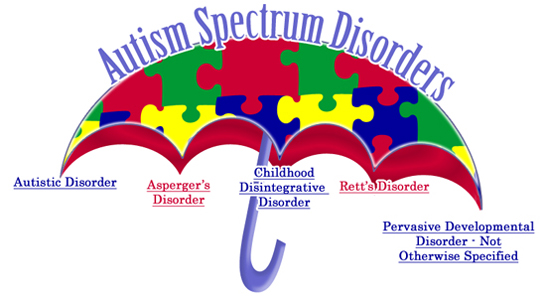
    autism-spectrum-disorders
    A newly published paper outlines two methods for reversing autism-like symptoms in a novel mouse model of the condition.

    A newly published paper describes two ways of reversing autism-like symptoms in a new mouse model of the condition.

    The scientists published their findings in the journal Nature. Autism spectrum disorder (ASD) can affect up to 1 in 110 people and although a few drugs have shown promise in mouse models, none of them have been able to treat the core social deficits common in human ASD patients.

    Nahum Sonenberg, from McGill University in Montreal, and his team created a new model of mouse autism and then were able to reverse its symptoms. They started by genetically engineering mice so that they lacked the gene Eif4ebp2. The 4E-BP2 protein that this produces suppresses the translation of certain RNA messengers. This allows the proteins produced by these mRNAs to be synthesized at above normal levels, after Eif4ebp2 has been neutralized.

    Mice lacking this gene exhibit autism-like symptoms, including poor social interaction, altered communication, and repetitive behaviors. Sonenberg and his colleagues found that the neuroligins (NLGNs), a group of proteins, proliferates in the absence of the gene. NLGNs sit in the membrane of neurons and help to create the synapses between nerve cells, as well as maintaining them.

    The overproduction of NLGNs results in synapses that are prone to overstimulation, establishing a hyperconnectivity that many scientists think underlies the symptoms of ASD.

    While runaway protein synthesis has been implicated in ASD before, its end effects on synaptic proteins have been somewhat obtuse. This new study helps to provide a direct link between translation and NLGNs.

    The scientists also show that the effects of deleting Eif4ebp2 can be reversed. Since 4E-BP2 blocks translation by disrupting the protein complex that initiates the process, the team tested whether a small-molecule drug that binds to one of the protein components of the translation-initiation complex, preventing complex assembly, would counteract the gene deletion.

    This reversed synaptic hyperconnectivity and the mice no longer showed any autism-like symptoms that they had exhibited previously. The team went on to directly suppress the translation of NLGN proteins using short interfering RNAs and discovered that this also prevented the development of hyperconnectivity and autism-like symptoms. “Even though autism is a neurodevelopmental disease, we were able to correct autism-associated behaviours in adult mice,” says Christos Gkogkas, a member of Sonenberg’s team at McGill.

    Sonenberg cautions against interpreting these results as a sign that an ASD treatment is coming soon. The scientists identified potential therapeutic targets and demonstrated that a drug therapy is possible in principle, but the drug used in these experiments would be too toxic to use for ASDs.

    Reference: “Autism-related deficits via dysregulated eIF4E-dependent translational control” by Christos G. Gkogkas, Arkady Khoutorsky, Israeli Ran, Emmanouil Rampakakis, Tatiana Nevarko, Daniel B. Weatherill, Cristina Vasuta, Stephanie Yee, Morgan Truitt, Paul Dallaire, François Major, Paul Lasko, Davide Ruggero, Karim Nader, Jean-Claude Lacaille and Nahum Sonenberg, 21 November 2012, Nature.
    DOI: 10.1038/nature11628

    Never miss a breakthrough: Join the SciTechDaily newsletter.
    Follow us on Google and Google News.

    Autism Spectrum Disorder Disease Neuroscience
    Share. Facebook Twitter Pinterest LinkedIn Email Reddit

    Related Articles

    Neuroscientists Discover a Behavioral State Gene That May be Linked to Autism

    Researchers Reveal That Cost Considerations Are Wired Into The Learning of Habits

    UCLA Study Shows How a Common Gene Mutation Affects Kids with ASD

    Hereditary Form of Autism May Be Treatable With Nutritional Supplements

    Understanding Inhibitory Neuron Activation Could Shed Light on Neurological Disorders

    Imbalance Between Neuronal Excitation and Inhibition May Account for Seizure Susceptibility in Angelman Syndrome

    Intrinsically Disordered Protein Responsible for Inactivating BK Channel

    Rett Syndrome Could be Reversed by Bone-marrow Transplant

    Locomotion Restored in Mice With Huntington’s-Like Condition

    Leave A Reply Cancel Reply

    • Facebook
    • Twitter
    • Pinterest
    • YouTube

    Don't Miss a Discovery

    Subscribe for the Latest in Science & Tech!

    Trending News

    Mezcal “Worm” in a Bottle Mystery: DNA Testing Reveals a Surprise

    New Research Reveals That Your Morning Coffee Activates an Ancient Longevity Switch

    This Is What Makes You Irresistible to Mosquitoes

    Shockingly Powerful Giant Octopuses Ruled the Seas 100 Million Years Ago

    Scientists Stunned by New Organic Molecules Found on Mars

    Rewriting Dinosaur Evolution: Scientists Unearth Remarkable 150-Million-Year-Old Stegosaur Skull

    Omega-3 Supplements Linked to Cognitive Decline in Surprising New Study

    First-of-Its-Kind Discovery: Homer’s Iliad Found Embedded in a 1,600-Year-Old Egyptian Mummy

    Follow SciTechDaily
    • Facebook
    • Twitter
    • YouTube
    • Pinterest
    • Newsletter
    • RSS
    SciTech News
    • Biology News
    • Chemistry News
    • Earth News
    • Health News
    • Physics News
    • Science News
    • Space News
    • Technology News
    Recent Posts
    • Male Birth Control Breakthrough: Scientists Find Way To Turn Sperm Production Off and Back On
    • A Common Vitamin Could Hold the Key to Treating Fatty Liver Disease
    • New Research Shows Vitamin B12 May Hold the Key to Healthy Aging
    • Scientists Map Thousands of Brain Connections With RNA Barcodes
    • This Gene Tweak Turns Strawberries Into Healthier, Tastier Superfruit
    Copyright © 1998 - 2026 SciTechDaily. All Rights Reserved.
    • Science News
    • About
    • Contact
    • Editorial Board
    • Privacy Policy
    • Terms of Use

    Type above and press Enter to search. Press Esc to cancel.