
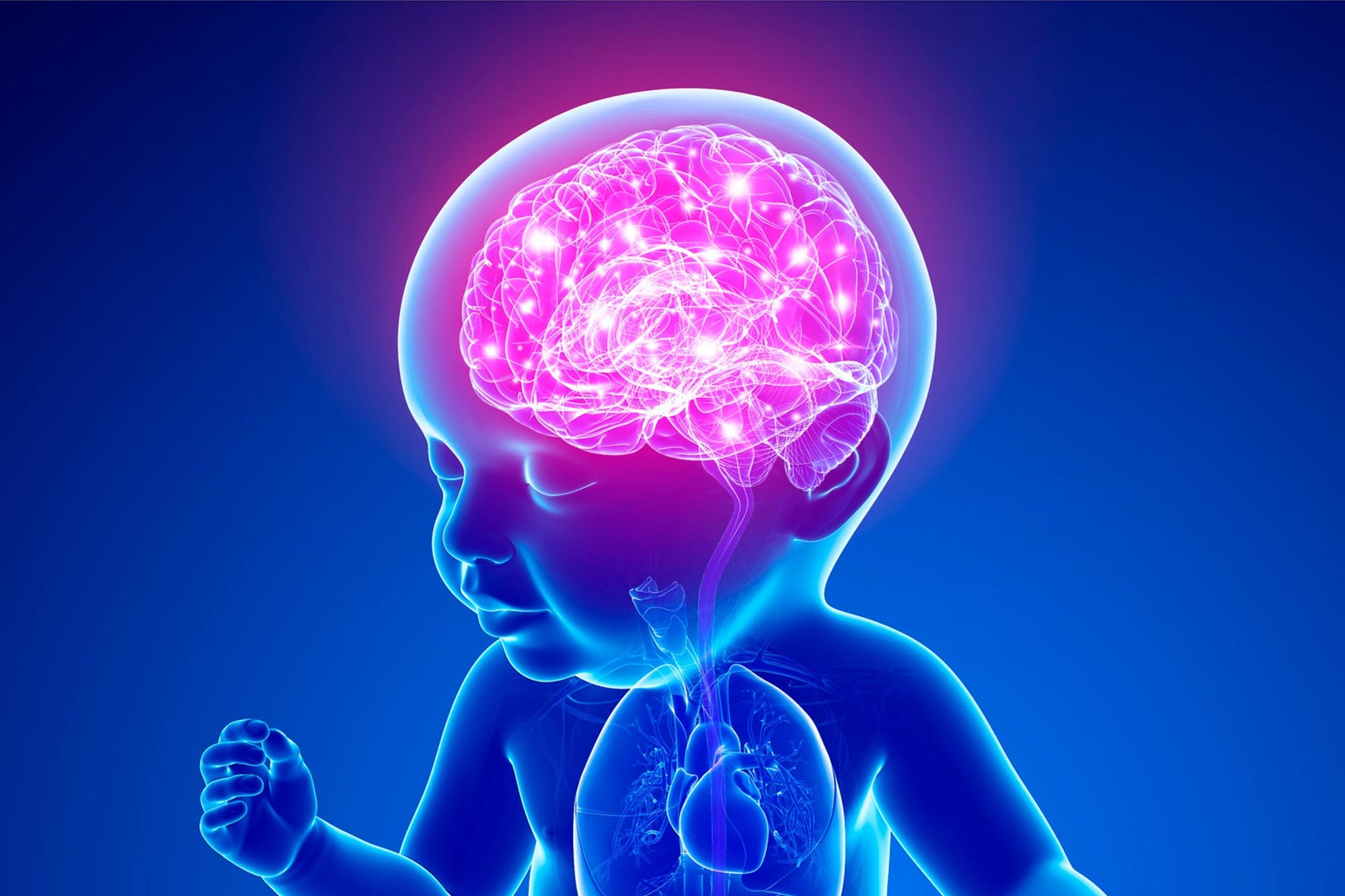
A fascinating international study suggests that newborns—and possibly even late-stage fetuses—may possess conscious experiences that shape their early understanding of the world.
A groundbreaking international study suggests that babies might not just be born, they might know they’ve arrived.
Researchers from Trinity College Dublin, working with scientists in Australia, Germany, and the USA, have found compelling evidence that newborns, and possibly even babies in the final stages of pregnancy, experience some form of consciousness.
Published in the respected journal Trends in Cognitive Sciences, the study explores what it might feel like to be a baby, and what this means for how we treat infants. The findings could have far-reaching impacts on healthcare, ethics, and even law.
Understanding Infant Consciousness
Led by neuroscientists and philosophers from Trinity College Dublin, Monash University (Australia), the University of Tübingen (Germany), and the University of Minnesota (USA), the research team argues that by the time a baby is born, their brain is already wired for conscious experiences. These early impressions may shape their growing sense of self and their understanding of the world.
Although each of us was once a baby, infant consciousness remains mysterious, because infants cannot tell us what they think or feel, explains one of the two lead authors of the paper, Dr. Tim Bayne, Professor of Philosophy at Monash University (Melbourne).
Early or Late: The Debate on Consciousness Emergence
“Nearly everyone who has held a newborn infant has wondered what, if anything, it is like to be a baby. But of course, we cannot remember our infancy, and consciousness researchers have disagreed on whether consciousness arises ‘early’ (at birth or shortly after) or ‘late’ – by one year of age, or even much later.”
To provide a new perspective on when consciousness first emerges, the team built upon recent advances in consciousness science. In adults, some markers from brain imaging have been found to reliably differentiate consciousness from its absence, and are increasingly applied in science and medicine. This is the first time that a review of these markers in infants has been used to assess their consciousness.
Infants May Understand More Than We Realize
Co-author of the study, Lorina Naci, Associate Professor in the School of Psychology, who leads Trinity’s ‘Consciousness and Cognition Group, explained: “Our findings suggest that newborns can integrate sensory and developing cognitive responses into coherent conscious experiences to understand the actions of others and plan their own responses.”
The paper also sheds light into ‘what it is like’ to be a baby. We know that seeing is much more immature in babies than hearing, for example. Furthermore, this work suggests that, at any point in time, infants are aware of fewer items than adults, and can take longer to grasp what’s in front of them, but they can easily process more diverse information, such as sounds from other languages, than their older selves.
Reference: “Consciousness in the cradle: on the emergence of infant experience” by Tim Bayne, Joel Frohlich, Rhodri Cusack, Julia Moser and Lorina Naci, 12 October 2023, Trends in Cognitive Sciences.
DOI: 10.1016/j.tics.2023.08.018
Never miss a breakthrough: Join the SciTechDaily newsletter.
Follow us on Google and Google News.