
The study highlights the urgent need to safeguard global tropical wetlands from human impact.
Complex organisms, thousands of times smaller than a grain of sand, play a critical role in shaping massive ecosystems and influencing Earth’s climate, according to a new study.
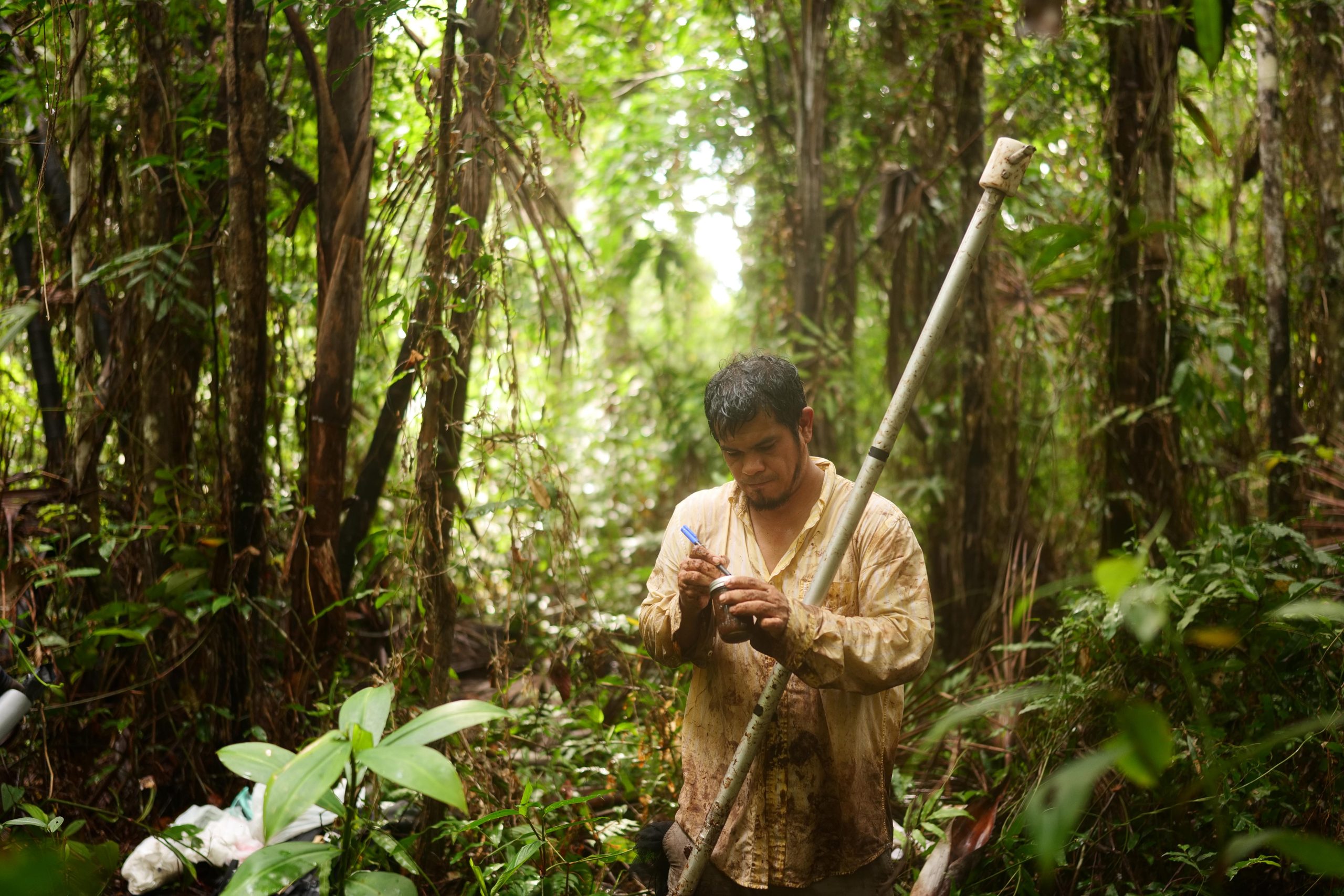
Researchers from Arizona State University, in collaboration with colleagues from the National University of the Peruvian Amazon, have discovered a previously unknown family of microbes uniquely adapted to the waterlogged, low-oxygen conditions of tropical peatlands in the northwestern Amazon rainforest of Peru.
The study reveals that these microbes have a dual function in the carbon cycle, with the potential to either mitigate or exacerbate climate change. They can stabilize carbon for long-term storage or release it into the atmosphere as greenhouse gases, including carbon dioxide (CO2) and methane.
Under stable conditions, these microbes enable peatlands to act as vast carbon reservoirs, sequestering carbon and reducing climate risks. However, environmental shifts, including drought and warming, can trigger their activity, accelerating global climate change.
And, continued human-caused disruption of the natural peatland ecosystem could release 500 million tons of carbon by the end of the century — roughly equivalent to 5% of the world’s annual fossil fuel emissions.
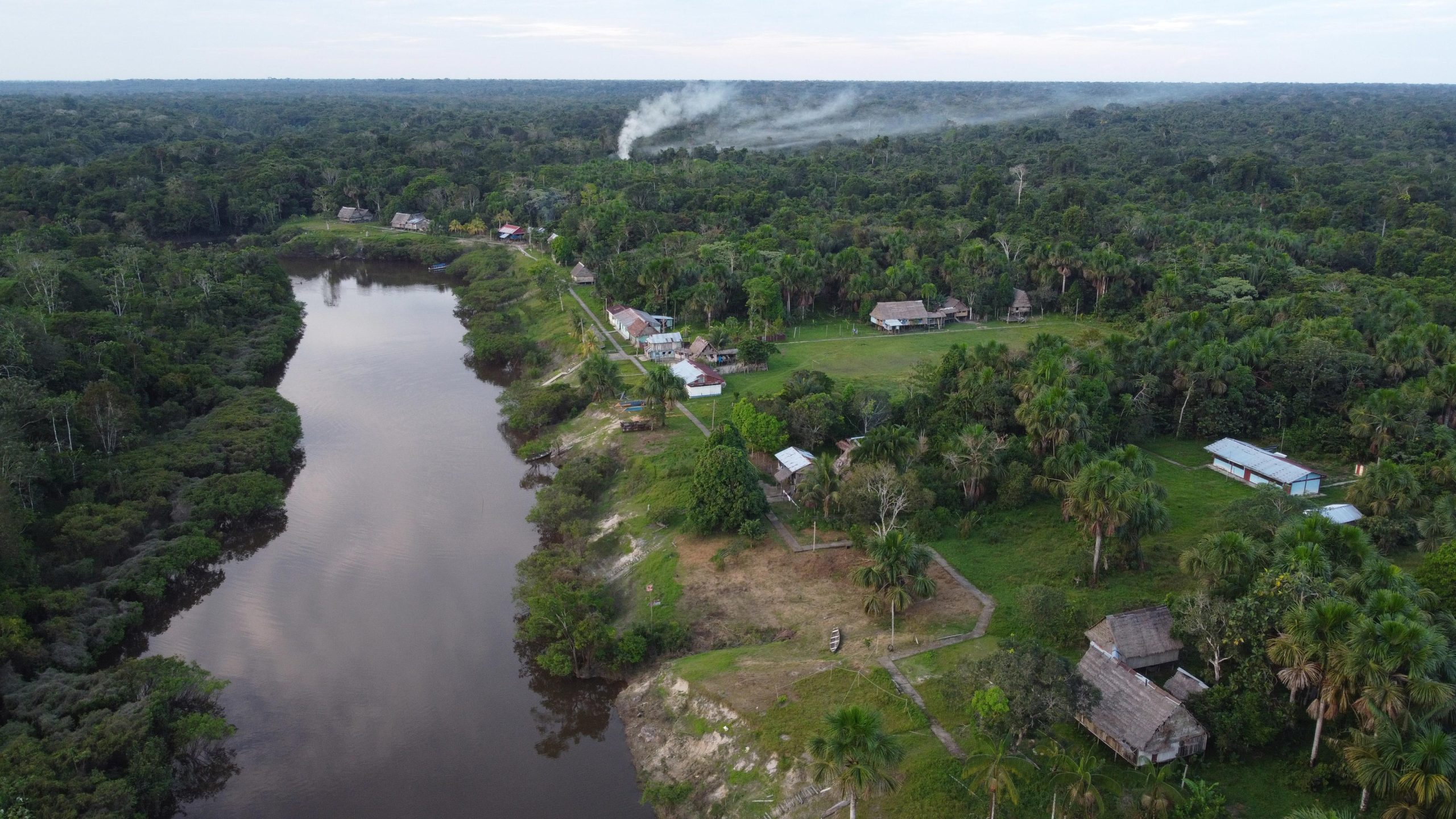
“The microbial universe of the Amazon peatlands is vast in space and time, has been hidden by their remote locations, and has been severely under-studied in their local and global contributions, but thanks to local partnerships, we can now visit and study these key ecosystems,” says Hinsby Cadillo Quiroz, corresponding author of the new study and a researcher with the Biodesign Swette Center for Environmental Biotechnology at ASU.
“Our work is finding incredible organisms adapted to this environment, and several of them provide unique and important services — from carbon stabilization or recycling to carbon monoxide detoxification and others.”
Cadillo-Quiroz is also a researcher with the Biodesign Center for Fundamental and Applied Microbiomics and the ASU School of Life Sciences. ASU colleague Michael J. Pavia is the lead author of the investigation.
The study, appearing in the American Society for Microbiology journal Microbiology Spectrum, emphasizes the importance of protecting tropical peatlands to stabilize one of the planet’s most significant carbon storage systems and underscores the subtle interplay between microbial life and global climate regulation.
Why peatlands are crucial for climate stability
The Amazonian peatlands are among the planet’s largest carbon vaults, storing an estimated 3.1 billion tons of carbon in their dense, saturated soils — roughly twice the carbon stored in all the world’s forests. Peatlands are critical for global carbon storage because their waterlogged conditions slow decomposition, allowing organic material to accumulate over thousands of years. These ecosystems play a crucial role in regulating greenhouse gas emissions and influencing global climate patterns.
Building on earlier research, the current study describes newly identified microbes — part of the ancient Bathyarchaeia group that forms a complex network essential to the functioning of this ecosystem. The study highlights the remarkable abilities of these microorganisms to regulate carbon cycling in peatlands. Unlike most organisms, these microbes can thrive in extreme conditions, including environments with little to no oxygen, thanks to their metabolic flexibility.
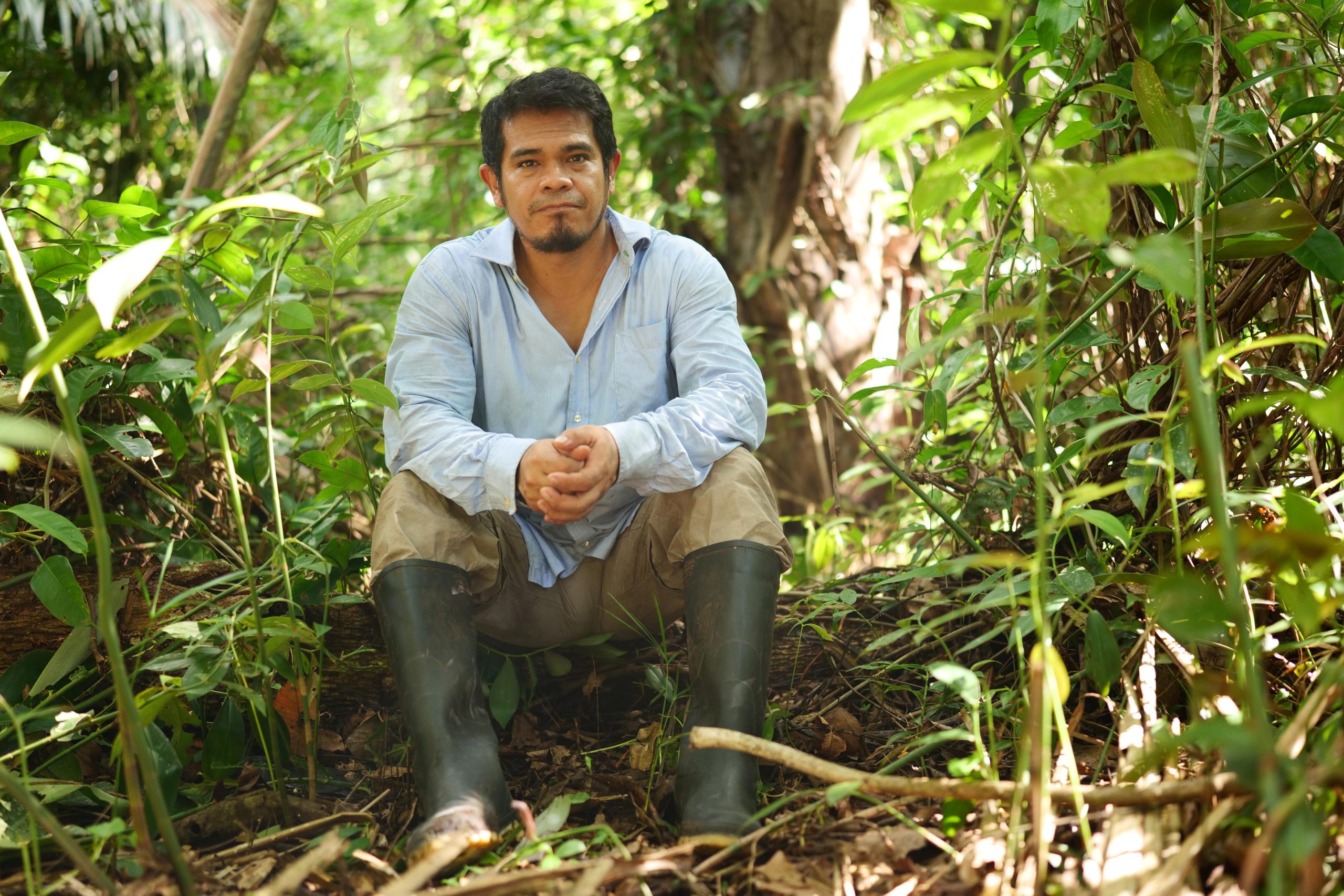
The microbes are found in the Pastaza-Marañón Foreland Basin — a vital peatland in the northwestern Amazon rainforest of Peru. Encompassing approximately 100,000 square kilometers, the basin includes vast tracts of flooded rainforest and swamps underlain by ancient peat.
These peatland microbes consume carbon monoxide — metabolizing a gas toxic to many organisms — and convert it into energy, simultaneously reducing carbon toxicity in the environment. By breaking down carbon compounds, they produce hydrogen and CO2 that other microbes use to generate methane. Their ability to survive both oxygen-rich and oxygen-poor conditions makes them well-suited to Amazonian environments, where water levels and oxygen availability fluctuate throughout the year.
However, shifts in rainfall, temperature, and human activities, including deforestation and mining, are disrupting this delicate balance, causing peatlands to release greenhouse gases like carbon dioxide and methane.
Climate connection
While tropical peatlands currently act as carbon sinks, absorbing more carbon than they release, they are increasingly vulnerable to climate change. Rising temperatures and altered rainfall patterns could dry out these peatlands, turning them into carbon sources.
The release of billions of tons of carbon dioxide and methane from peatlands would significantly amplify global warming. The findings emphasize the urgent need to protect tropical peatlands from human activities and climate-induced stress.
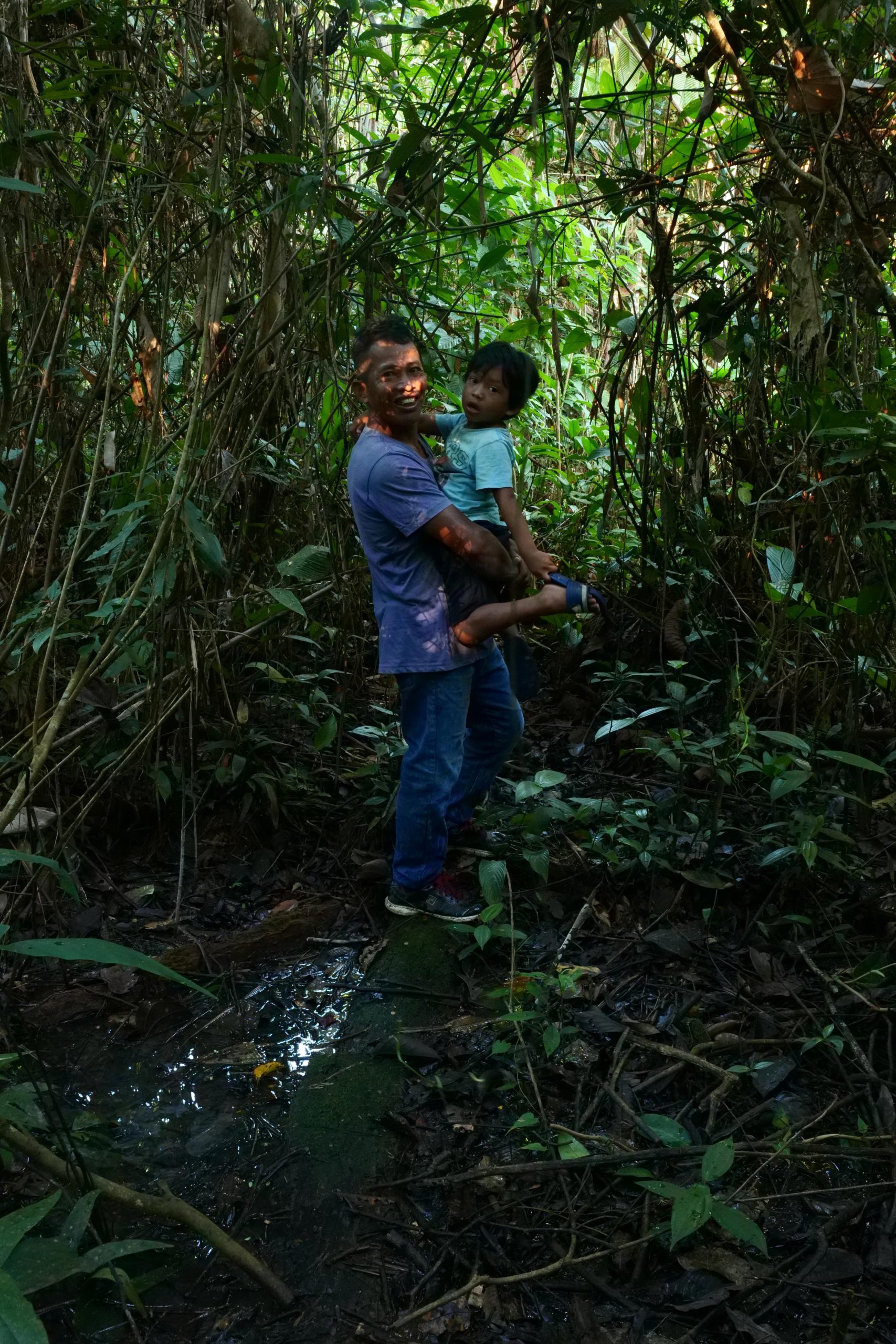
The researchers advocate for sustainable land management, including reducing deforestation, drainage, and mining activities in peatlands to prevent disruptions. Further investigation of microbial communities is needed to better understand their roles in carbon and nutrient cycling.
Tracking changes in temperature, rainfall, and ecosystem dynamics is also necessary to predict future impacts on peatlands.
New directions
The discovery of highly adaptable peatland microbes advances our understanding of microbial diversity and underscores the resilience of life in extreme environments. These microbes represent a key piece of the puzzle in addressing global climate challenges, showing how the tiniest organisms can have an outsized impact on Earth’s systems.
This research, supported by the National Science Foundation, marks a significant step forward in understanding the critical role of tropical peatlands and their microbial inhabitants in global carbon cycling. As climate change continues to reshape our planet, these hidden ecosystems hold lessons that may help safeguard our future.
Cadillo-Quiroz and his team plan to use this microbial and ecological knowledge for tropical peatlands management and restoration in their future work, which can be followed here.
“Working to understand microbes and ecosystems in the lush and magnificent Amazon rainforest is the honor of my life, which I aim to use in the protection of this region in the fight against climate change,” Cadillo-Quiroz says.
Reference: “Functional insights of novel Bathyarchaeia reveal metabolic versatility in their role in peatlands of the Peruvian Amazon” by Michael J. Pavia, Arkadiy I. Garber, Sarah Avalle, Franco Macedo-Tafur, Rodil Tello-Espinoza and Hinsby Cadillo-Quiroz, 14 November 2024, Microbiology Spectrum.
DOI: 10.1128/spectrum.00387-24
Never miss a breakthrough: Join the SciTechDaily newsletter.
Follow us on Google and Google News.
3 Comments
“The release of billions of tons of carbon dioxide and methane from peatlands would significantly amplify global warming.”
I’m always troubled by absolute generalizations like the above. The world is generally more complex than to be driven by one variable alone. While some espouse the view that any and all CO2 results in warming, it is not accepted by all. There are theoretical objections, notably the claim that a saturation effect exists that limits the warming. Empirically, the tropics have appeared to warm less than the polar regions throughout geologic time. Also, empirical evidence shows that CO2 increases during warm El Nino years, as observed in the seasonal ramp-up phase, but decreases when the El Nino conditions end. That is, the steeper slope and higher peak of the CO2 ramp-up phase reverts to what it typically looks like during non-El Nino years, supporting the argument that CO2 emissions and net levels are driven by biology. When COVID caused a decline in transportation and manufacturing, and anthropogenic emissions declined by as much as 14-18% in April of 2020 alone, there was no evidence of a change in slope or peak. Indeed, the shape of the seasonal ramp-up phase was indistinguishable from 2019 and 2021.
It is usually the unexamined assumptions that result in problems in inductively developing hypotheses that survive testing.
Has, or has not, the CO2 content of our atmosphere increased from about 270-280ppm to 425ppm in the last approximately last 250 years? Yes, or No.
Has, or has not, our human population increased from about 750 million to 8.65 billion in the last approximately 250 years? Yes, or No.
Has, or has not, our consumption of hydrocarbon-based energy increased exponentially since 1900, the major increase occurring between 1945 and 2025? Yes, or No.
Yes, yes, and yes. What is your point? You have, at best, demonstrated a correlation because your unstated assumption is that the increasing population has resulted in an increased use of fossil fuels, which in turn have increased the concentration of CO2 in the atmosphere. However, it is well known that correlation does not establish causation. Therefore, your unproven assumption is really a non sequitur.
Please read the article at the following link before responding:
https://www.datasciencecentral.com/spurious-correlations-15-examples/