
Close Menu
    Facebook X (Twitter) Instagram
    SciTechDaily
    • Biology
    • Chemistry
    • Earth
    • Health
    • Physics
    • Science
    • Space
    • Technology
    Facebook X (Twitter) Pinterest YouTube RSS
    SciTechDaily
    Home»Biology»Scientists Uncover Brain Signals for Good Memory Performance
    Biology

    Scientists Uncover Brain Signals for Good Memory Performance

    By University of BaselSeptember 27, 20232 Comments3 Mins Read
    Facebook Twitter Pinterest Telegram LinkedIn WhatsApp Email Reddit
    Share
    Facebook Twitter LinkedIn Pinterest Telegram Email Reddit
    Brain Memory Concept
    Researchers at the University of Basel found a direct link between activity in certain brain regions like the hippocampus and memory performance, using the world’s largest functional imaging study on memory, involving nearly 1,500 participants. The findings, which revealed stronger brain activation in individuals with better memory, could impact future research linking biological characteristics to brain signals.

    Stronger Hippocampal Activity During Memorization Performed Better on Memory Tasks

    Individuals exhibit substantial variations in their memory capabilities. A study by the University of Basel has now identified a connection between specific brain signals and these differences in memory performance.

    Although it is established that particular areas of the brain are essential for memory functions, it has remained unclear whether these regions demonstrate varying activity levels related to the storage of information in individuals with differing memory performance levels.

    Having investigated this matter, a research team led by Professor Dominique de Quervain and Professor Andreas Papassotiropoulos has now published its results in the journal Nature Communications.

    In the world’s largest functional imaging study on memory, they asked nearly 1,500 participants between the ages of 18 and 35 to look at and memorize a total of 72 images. During this process, the researchers recorded the subjects’ brain activity using MRI. The participants were then asked to recall as many of the images as possible – and as in the general population, there were considerable differences in memory performance among them.

    Signals in Brain Regions and Networks

    In certain brain regions including the hippocampus, the researchers found a direct association between brain activity during the memorization process and subsequent memory performance. Individuals with a better memory showed a stronger activation of these brain areas. No such association was found for other memory-relevant brain areas in the occipital cortex – they were equally active in individuals with all levels of memory performance.
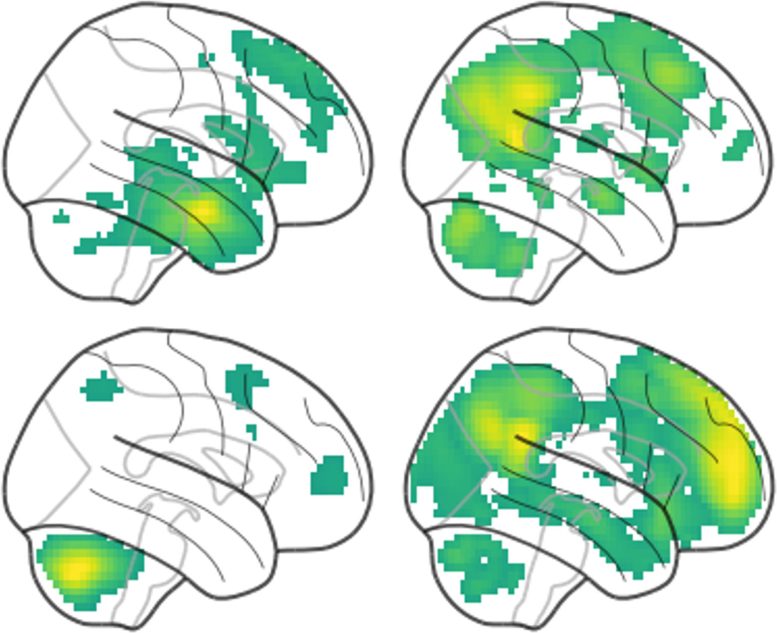
    Functional Networks Associated With Individual Differences in Memory Performance
    Functional networks associated with individual differences in memory performance. Credit: MCN, University of Basel

    The researchers were also able to identify functional networks in the brain that were linked to memory performance. These networks comprise different brain regions that communicate with each other to enable complex processes such as the storage of information.

    “The findings help us to better understand how differences in memory performance occur between one individual and another,” said Dr. Léonie Geissmann, the study’s first author, adding that the brain signals of a single individual do not allow for any conclusions to be drawn about their memory performance, however.

    According to the researchers, the results are of great importance for future research aimed at linking biological characteristics such as genetic markers to brain signals.

    Basel-Based Research on Memory

    The current study forms part of a large-scale research project conducted by the Research Cluster Molecular and Cognitive Neurosciences (MCN) at the University of Basel’s Department of Biomedicine and the University Psychiatric Clinics (UPK) Basel. The aim of this project is to gain a better understanding of memory processes and to transfer the findings from basic research into clinical applications.

    Reference: “Neurofunctional underpinnings of individual differences in visual episodic memory performance” by Léonie Geissmann, David Coynel, Andreas Papassotiropoulos and Dominique J. F. de Quervain, 14 September 2023, Nature Communications.
    DOI: 10.1038/s41467-023-41380-w

    Never miss a breakthrough: Join the SciTechDaily newsletter.
    Follow us on Google and Google News.

    Brain Cognition Imaging Memory Neuroscience Popular University of Basel
    Share. Facebook Twitter Pinterest LinkedIn Email Reddit

    Related Articles

    Scientists Uncover Molecular Mechanisms Behind Childhood Memory Development

    Researchers Discover a Molecule Critical to Functional Brain Rejuvenation

    MeshCODE: Revolutionary New Theory for How Memories Are Stored in the Brain

    MIT Neuroscientists Identify Brain Circuit in the Hippocampus That Encodes Timing of Events

    Researchers Discover Molecular Mechanism of Long-Term Memory

    MIT Neuroscientists Discover a Molecular Mechanism That Allows Memories to Form

    What Makes Memories So Detailed and Enduring? Newly Discovered Mechanism of Learning

    Reactivation of the Hippocampus Causes Memory Recall

    Researchers Use FDDNP–PET Scanning to Predict Cognitive Decline

    2 Comments

    1. Mr R M Quinn on September 28, 2023 2:33 am

      Suffering from Epilepsy, not often often ore consistent.

      Reply
    2. Helen utoh on September 28, 2023 10:28 am

      Very informative teresting

      Reply
    Leave A Reply Cancel Reply

    • Facebook
    • Twitter
    • Pinterest
    • YouTube

    Don't Miss a Discovery

    Subscribe for the Latest in Science & Tech!

    Trending News

    The Secret to Healthy Aging May Be More Protein and More Exercise

    These 567-Million-Year-Old Fossils Are Rewriting the Story of Life on Earth

    The Spider-Like Creatures Helping Scientists Decode the Origins of Fatherhood

    Scientists Baffled by a Sudden Reversal Deep Inside Earth’s Core

    This Strange Sea Creature Can Survive Five Years Without Food – Scientists Finally Know Why

    New Quantum Sensor Opens a Window Into the Invisible Universe

    Stanford Scientists Reverse Age-Related Memory Loss by Targeting the Gut

    James Webb Uncovers the Atmosphere of a Hellish Lava World 41 Light-Years Away

    Follow SciTechDaily
    • Facebook
    • Twitter
    • YouTube
    • Pinterest
    • Newsletter
    • RSS
    SciTech News
    • Biology News
    • Chemistry News
    • Earth News
    • Health News
    • Physics News
    • Science News
    • Space News
    • Technology News
    Recent Posts
    • New Research Could Help Break China’s Rare Earth Magnet Monopoly
    • The Milky Way’s Black Hole Isn’t Tearing Everything Apart – New Observations Reveal a Surprise
    • Black Hole Shredded a Massive Star in the Most Powerful Stellar Explosion Ever Seen
    • Building the Brain Requires Millions of Dangerous DNA Breaks
    • The Future of Obesity Care Goes Far Beyond Ozempic, Wegovy, and Zepbound
    Copyright © 1998 - 2026 SciTechDaily. All Rights Reserved.
    • Science News
    • About
    • Contact
    • Editorial Board
    • Privacy Policy
    • Terms of Use

    Type above and press Enter to search. Press Esc to cancel.