
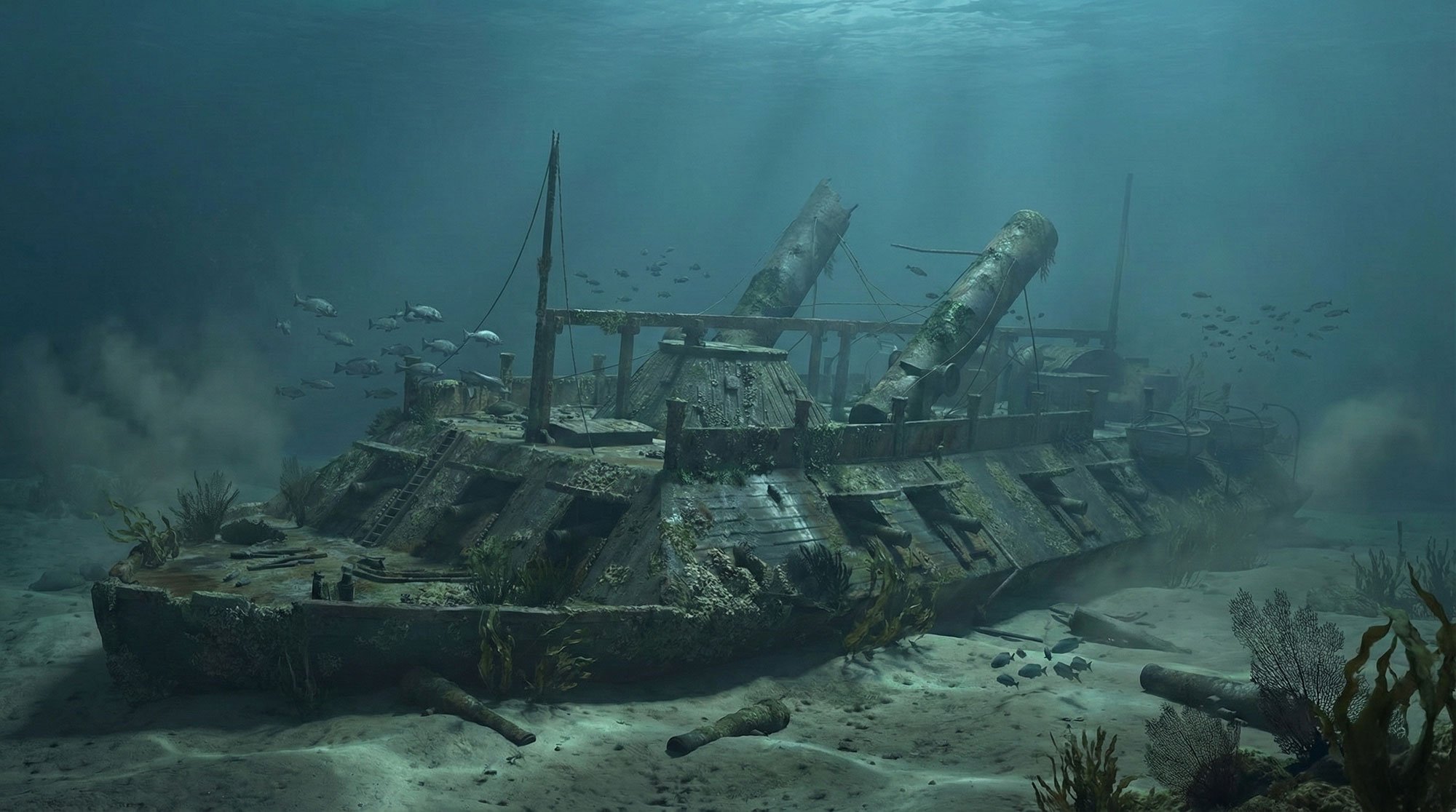
Extensive fungal decay persists on the USS Cairo, and further research is needed to understand these organisms. Better conservation strategies will depend on deeper biological insights.
University of Minnesota researchers investigated how microorganisms are contributing to the deterioration of the USS Cairo, one of the earliest ironclad, steam-powered gunboats used during the United States Civil War. Understanding how historic wood breaks down through microbial activity is crucial for developing strategies to protect and conserve culturally significant artifacts.
The ship, constructed in 1861, struck a torpedo and sank in December 1862. It was recovered roughly a century later from the Yazoo River and has since been exhibited at the Vicksburg National Military Park in Mississippi. Even with a canopy overhead, the vessel remains exposed to weather and other environmental conditions.
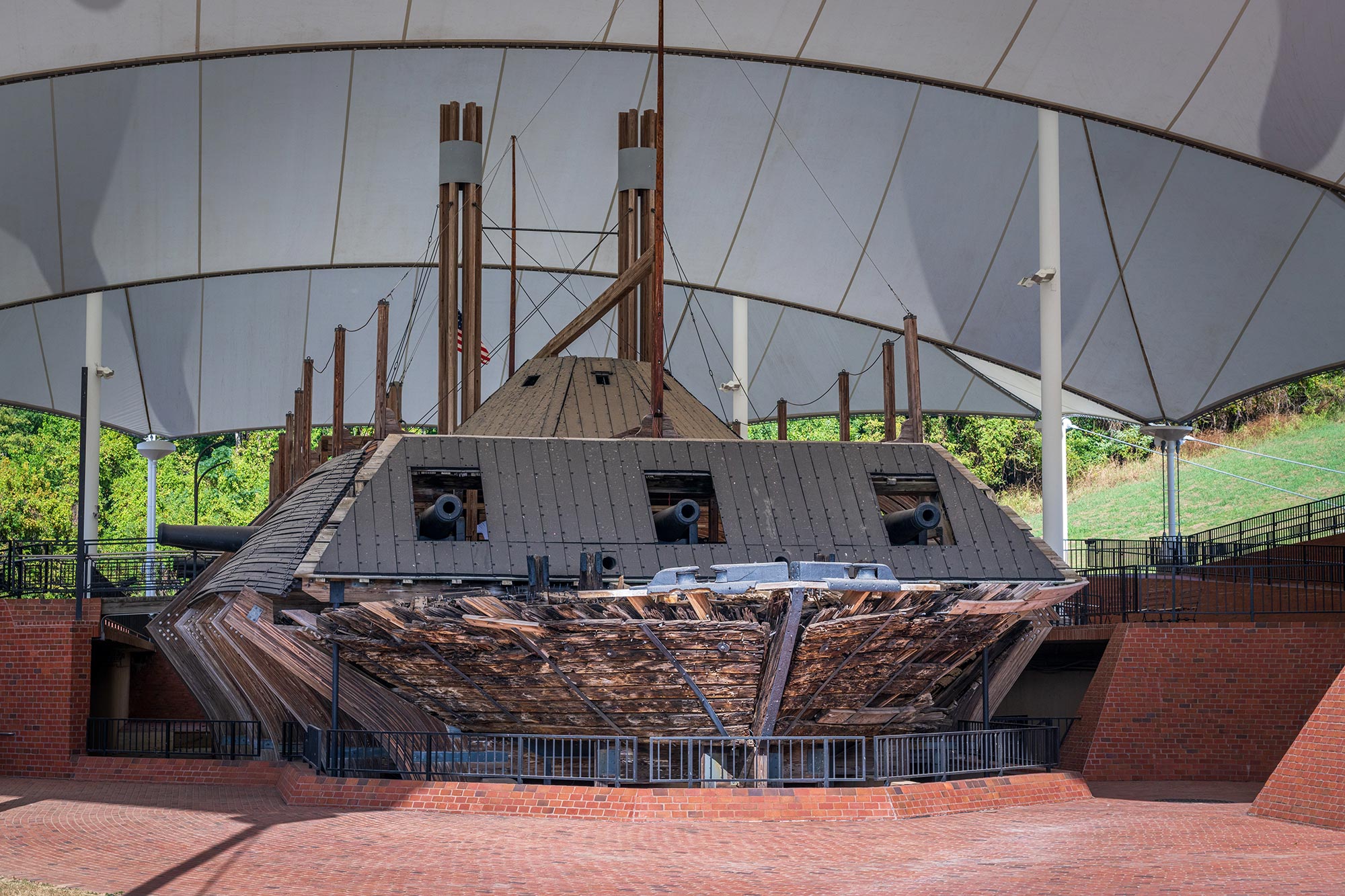
“Continued degradation of this historic Civil War ship is causing serious concerns for its long term preservation. To determine the appropriate conservation efforts, it is essential to understand the current condition of the wood and the microorganisms causing the degradation,” said lead author Robert Blanchette, a professor in the College of Food, Agricultural and Natural Resource Sciences.
Microbial and chemical analyses of the ship’s wood
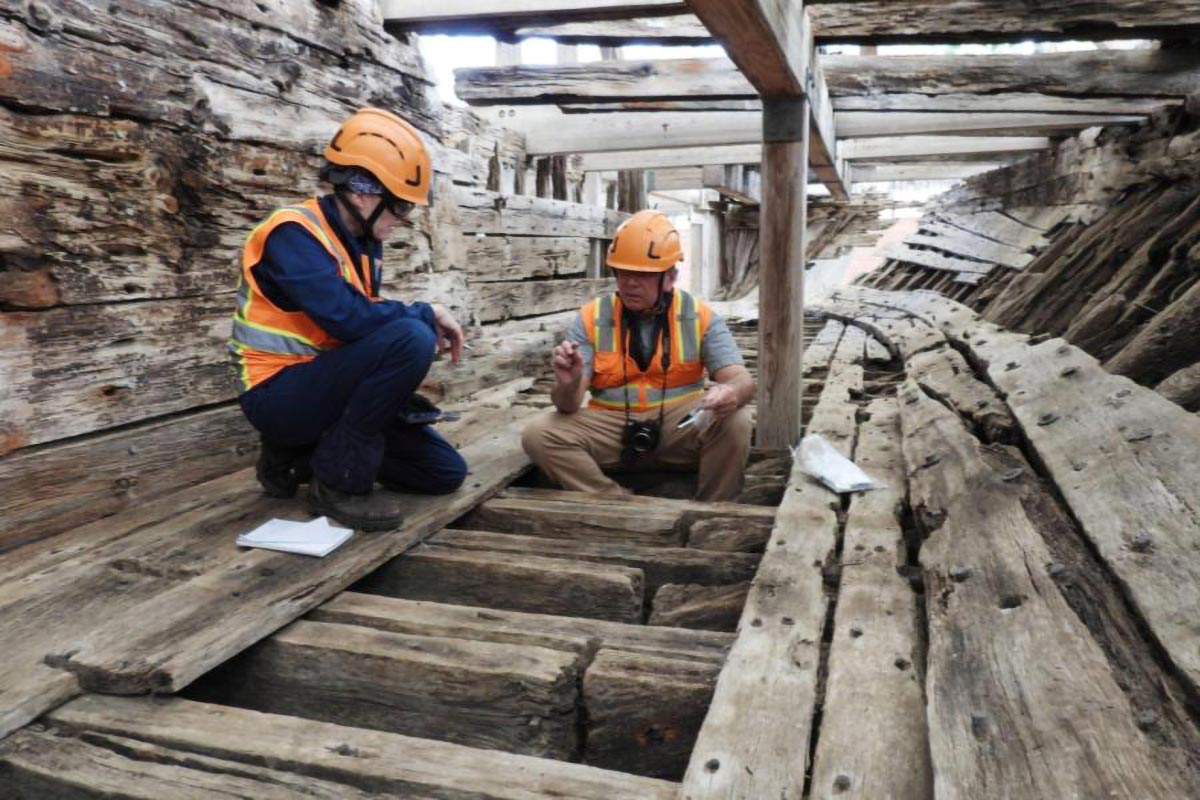
Working with Claudia Chemello and Paul Mardikian of Terra Mare Conservation and the National Park Service, the research team examined the forms of decay affecting the vessel, analyzed the elemental composition of the wood, and identified a large and diverse group of fungi isolated from the ship’s timbers. Their results were recently published in the Journal of Fungi.
They found:
- Extensive decay was detected in numerous sections of the vessel.
- Even though earlier preservation treatments had been applied, fungi capable of withstanding those protective measures gradually colonized the wood.
- A wide variety of soft rot and white rot fungi were isolated from samples taken across the ship, and many of these species showed tolerance to the compounds used in past preservation efforts.
“Wood placed in the environment is subject to microbial degradation. Historic buildings and ships exposed to environmental conditions for long periods of time are especially affected. This study showed that although wood preservation treatments were applied to the historic ship, fungi tolerant of these various compounds found their way into the wood over time, causing decay,” said Blanchette.
Recommendations for preserving the USS Cairo
The researchers suggest that in order to control these tough fungi, it is necessary to control the environment by reducing moisture and exposure to the elements. A new enclosed structure for the ship with environmental control is recommended to halt the deterioration caused by both the preservative-tolerant wood-degrading fungi and the ship’s outdoor exposure.
In addition, more information is needed on the biology and ecology of these fungi. The research team hopes to further study these organisms to better understand their interactions with wood and how to control them.
Reference: “Evaluation of Wood Decay and Identification of Fungi Found in the USS Cairo, a Historic American Civil War Ironclad Gunboat” by Robert A. Blanchette, Benjamin W. Held, Claudia Chemello and Paul Mardikian, 10 October 2025, Journal of Fungi.
DOI: 10.3390/jof11100732
This research was supported by the USDA Hatch Project and the US National Park Service.
Never miss a breakthrough: Join the SciTechDaily newsletter.
Follow us on Google and Google News.
5 Comments
thanks for this
Interesting read. Just wondering if this fungi might be the result of the last 75+ years of pesticides and other chemicals used in farming, industries, and washed into the Yazoo river and other rivers. Human pollution into the rivers from farming, industry, city sewers, etc must have an impact on the river, fungi, deterioration of any sunken vessels unlike natural deterioration pre-pollution.
Good argument army,this coming from a navy guy
Great analogy to my Brothers in Arms I am not going to segregate between which branch cuz that’s not important I am retired military I am Army Navy retired 32 years but that’s a great post that you left about human carelessness
Fluorescent lights…….disrupt the dna…..fungus dead.
Consider uv in off hours.
This isn’t a new or high tech question. Simple light will solve it as it has for millenia.