
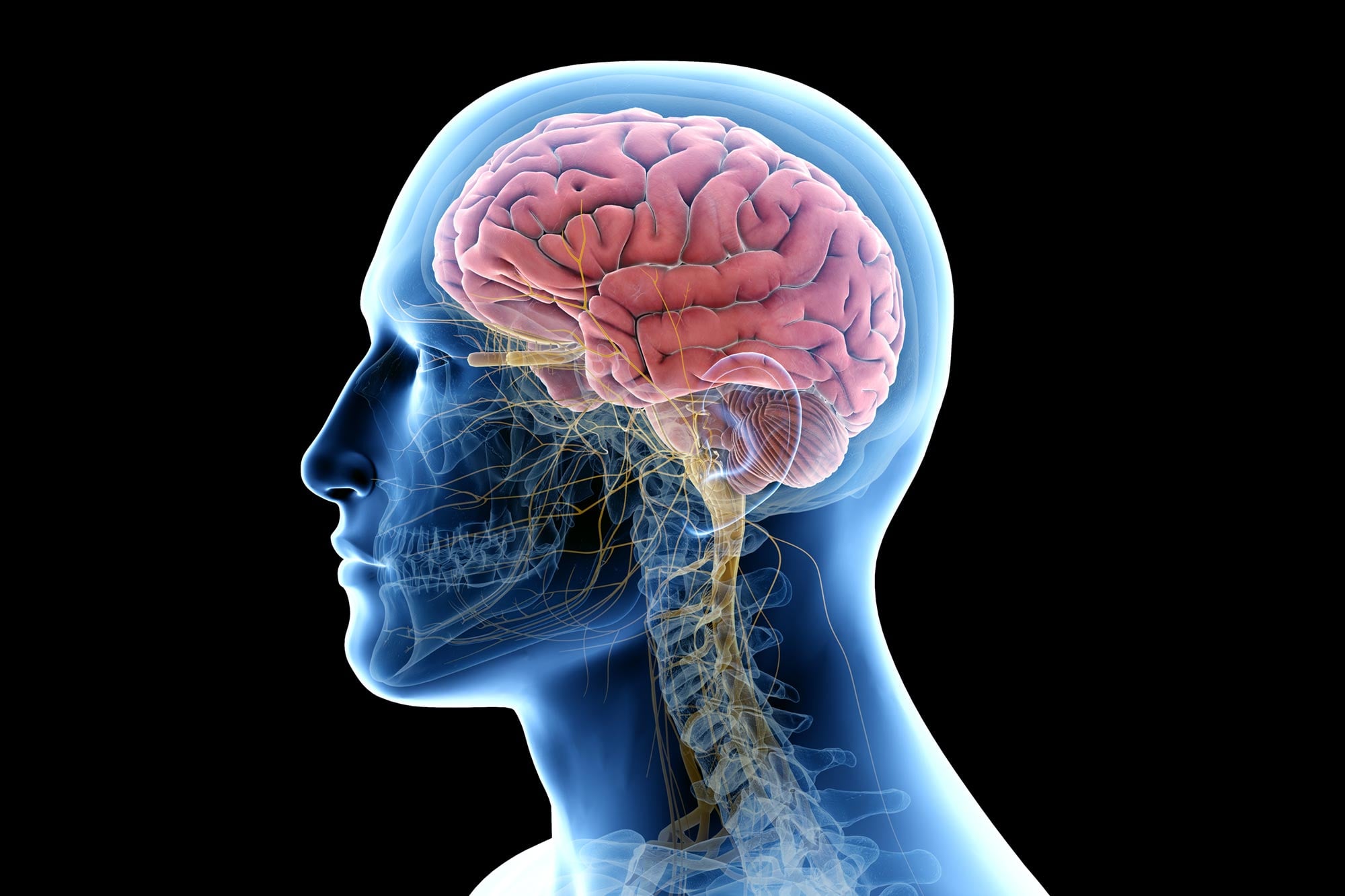
Researchers suggest that old psychoanalytic ideas and modern brain science may be describing the same mental processes from different angles.
More than a century after Sigmund Freud developed his influential theories of the mind, some researchers believe modern neuroscience may be arriving at surprisingly similar conclusions.
A new paper published in the neurocognitive journal Entropy suggests that his ideas about the mind, along with later psychoanalytic theories, share important similarities with one of today’s leading neuroscience frameworks known as the prediction paradigm.
This neuropsychological theory describes the brain as a system that constantly generates predictions about what will happen next. At the same time, it works to reduce the gap between those expectations and incoming sensory information. Researchers consider this predictive process essential for perception, behavior, and emotional regulation.
Erik Stänicke, Bendik Hovet, and Line Indrevoll Stänicke from the Department of Psychology, along with their colleagues, argue that these ideas closely resemble the way psychoanalysis has described inner mental life for more than a century.
“For over 130 years, psychoanalysis has developed psychological theories about how predictions take place at a subjective level, which cognitive neuropsychology is now studying at a physiological level.”

Psychoanalysis and Neuroscience Describe Similar Processes
According to the researchers, psychoanalysis and neuroscience are examining many of the same underlying processes, but from different perspectives. Neuroscience focuses on mathematical and biological explanations of brain activity, while psychoanalysis explores how these experiences are felt and understood internally.
The team points to the psychoanalytic concept of projection as a close parallel to predictive processing in neuroscience.
“When we attribute qualities, intentions, or feelings to other people, our brain shapes our experience of the world in line with established expectations,” says Stänicke.
He explains that earlier experiences with other people gradually influence how we approach new relationships and situations.
Projection, Prediction, and Psychological Stability
“This corresponds to the neuroscientific distinction between changing one’s own predictions, perceptual inference, and the attempt to make the world conform to them, namely active inference.”
The researchers also emphasize that both psychoanalysis and neuroscience describe the mind as striving for stability and predictability, also known as homeostasis, or psychological balance.
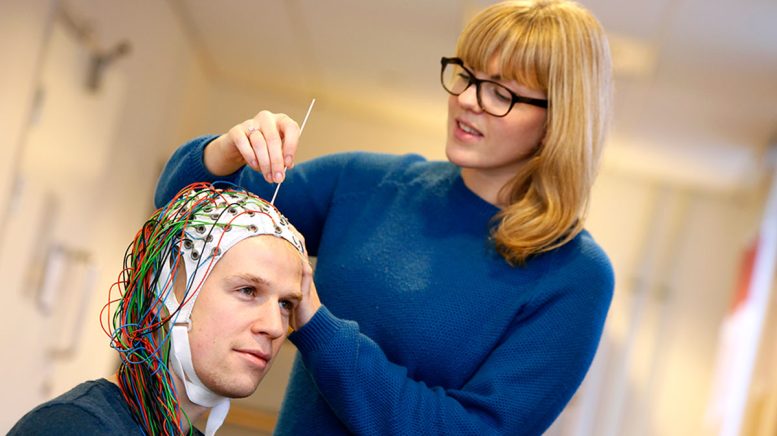
Within the prediction model, the brain reduces uncertainty by relying on established expectations to make the world feel more understandable and predictable.
“Psychoanalysts refer to the tendency in the mind to recreate familiar relational patterns, even when these are poorly adapted,” says Stänicke.
Mental Disorders as Rigid Prediction Models
Stänicke believes this overlap between the two fields could provide valuable insight into mental disorders.
“Rigid and persistent symptoms, such as paranoid ideas or an internalized critical voice, may be stable but not very flexible prediction models,” says Stänicke.
“For example, there may be people who automatically expect criticism, rejection, or hostility from others, and therefore interpret situations through this filter despite the fact that reality does not warrant it.”
According to Stänicke, these mental patterns persist because they reduce uncertainty, even if they distort reality. Both psychoanalysis and predictive neuroscience may therefore help explain why mental health conditions can be difficult to change.
Relational Memory and Psychotherapy Insights
“In addition, both models give us insight into how parts of our expectations of the outside world are not only anchored cognitively, but in procedural memory that is expressed in relational ways of being,” he says. Stänicke explains that experiences and expectations are stored not only as conscious thoughts but also through habitual ways of reacting to and interacting with others.
“Therefore, psychotherapy sometimes has to work relationally. For example, new experiences in the relationship between therapist and patient can gradually help to change entrenched relational patterns.”
The researchers suggest that predictive neuroscience could provide a neurological foundation for psychoanalysis, while psychoanalytic theory may offer neuroscience a more detailed understanding of how predictions are experienced, interpreted, and expressed in relationships.
“Bringing these two fields together can open up for a more holistic psychology, in which both neurological mechanisms and subjective experience are included. In this way, we can understand subjectivity in a more scientific manner,” he concludes.
Reference: “Freud’s Model of the Mind Within a Predictive Processing Neuroscientific Paradigm” by Erik Stänicke, Bendik Sparre Hovet and Line Indrevoll Stänicke, 11 March 2026, Entropy.
DOI: 10.3390/e28030318
Never miss a breakthrough: Join the SciTechDaily newsletter.
Follow us on Google and Google News.