

Researchers monitoring the unstable Barry Landslide in Alaska have identified a new class of short, high-frequency seismic signals that appear seasonally.
Since 2020, researchers have equipped the Barry Landslide in Alaska’s Prince William Sound with instruments that continuously track seismic activity in the region. Their goal is to identify warning signs that might appear before a fast, tsunami-producing collapse occurs.
While reviewing these recordings, scientists identified a previously unrecognized type of seismic activity. The signals show sharp, high-frequency pulses that gradually become more frequent from late summer into mid-winter, then stop suddenly in late winter or early spring.
According to a study in Seismological Research Letters, Gabrielle Davy of the University of Alaska Fairbanks and her colleagues propose that these signals are created by water freezing and thawing within tiny fractures in the rock beneath the nearby Cascade Glacier. Their work represents the first detailed investigation of these short, impulsive events in the vicinity of the landslide.
Although the signals are not linked to actual movement of the slope, the researchers explain that they may still reveal shifts in the broader hydraulic conditions behind the landslide. Changes in this subsurface environment could influence when the slope becomes unstable.
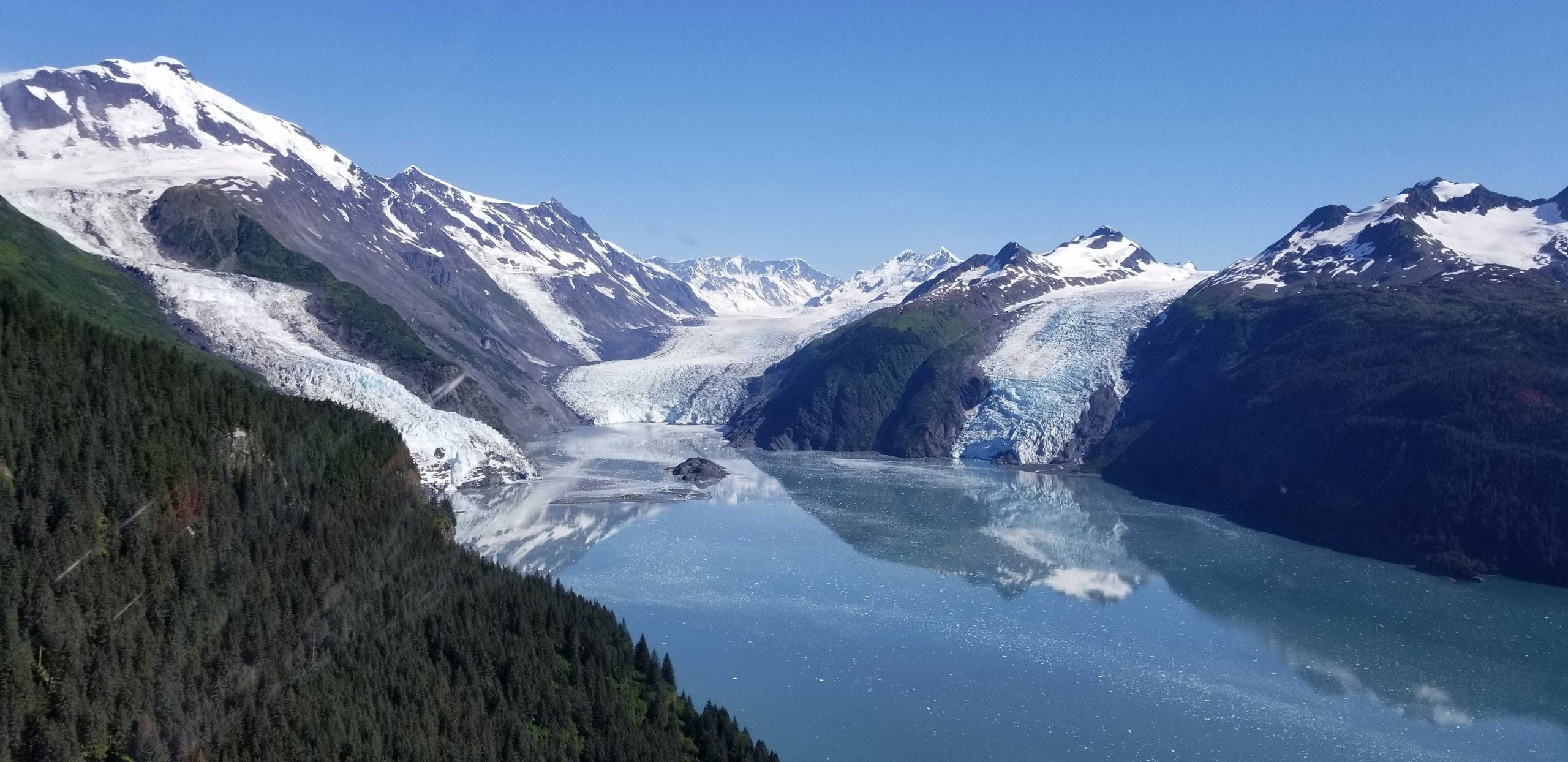
Understanding the Hazard at Barry Arm
Identifying seismic warning signs for a potential landslide at Barry Arm has become an essential scientific priority. The terrain is highly vulnerable because the slope is steep and sits on weak, fractured bedrock. Its stability has also been reduced by the loss of support from Barry Glacier, which has retreated significantly over the past hundred years.
“What makes Barry Landslide especially concerning is the size of the landslide,” Davy explained. “It’s a large, slowly moving mass—on the order of about 500 million cubic meters—that has been creeping for decades.”
“If a rapid collapse were to occur, the material would fall directly into the fjord, and that could generate a tsunami with potentially high wave heights,” she added. “Barry Arm is visited by kayakers and cruise ships, and nearby communities such as Whittier could be affected, so understanding the hazard is important from both a scientific and a public-safety perspective.”
Because of these concerns, scientists began installing extensive monitoring equipment in the area in 2020. The SRL study by Davy and her team is among the first efforts to analyze the large volume of seismic data collected by these instruments.
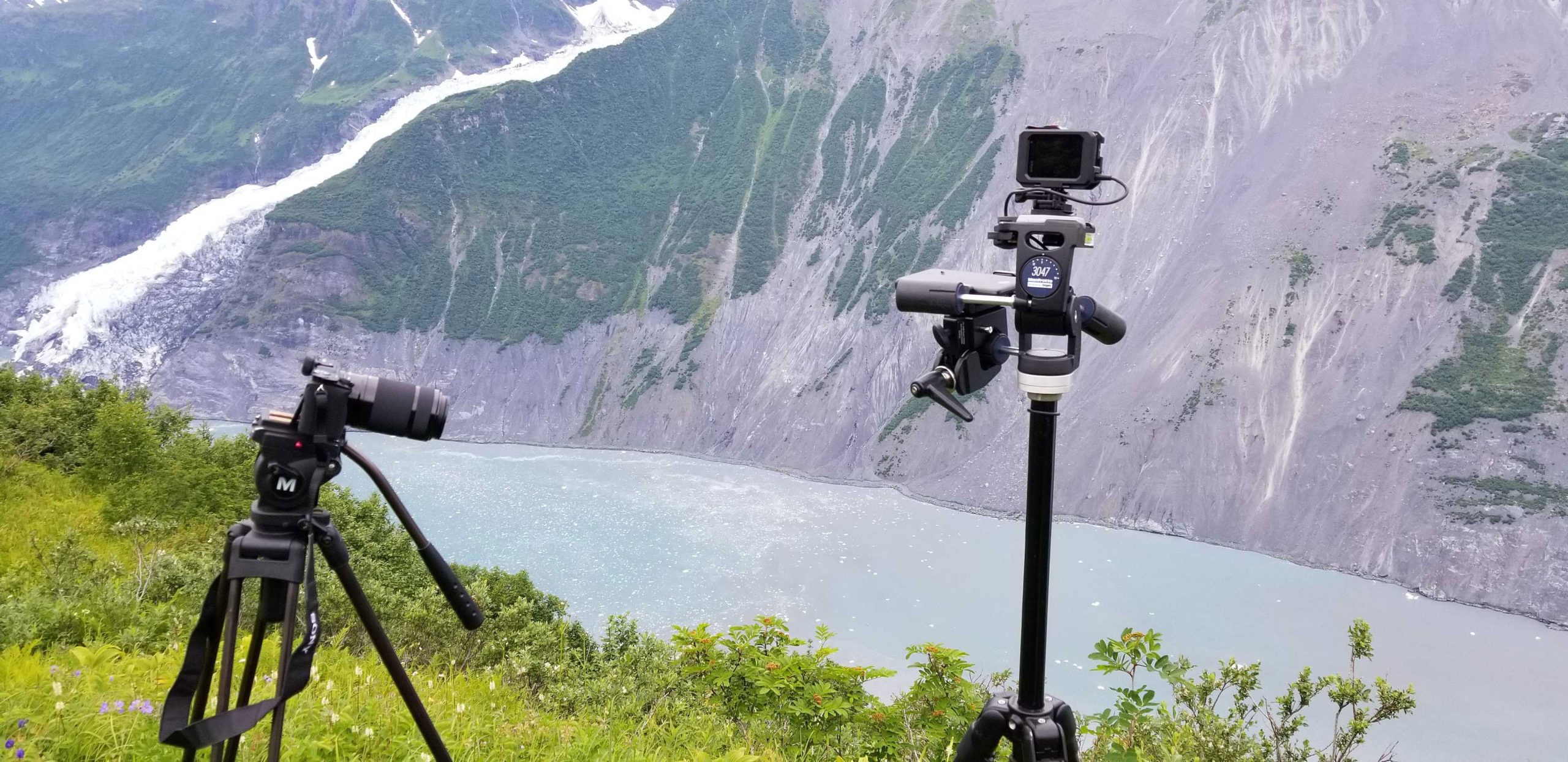
The researchers took on the massive task of manually reviewing a year’s worth of continuous seismic waveform data for their study, looking for any signals that might be useful in predicting when and where a landslide might occur.
Manually inspecting the dataset allowed Davy and colleagues to understand the diverse set of signals collected, which can be caused by slope movement, frequent earthquakes, glacier movement, and other seismic “noise” from the environment.
“We needed to build a clear baseline understanding of the types of signals that routinely occur in the area, so that any unusual or previously unrecognized signals would stand out. By spending time with the raw data, you train your eye to recognize what ‘normal’ looks like” before developing classification tools and detection algorithms, Davy explained.
Interpreting the Unusual Signals
Once the researchers had a way of identifying these unusual short-impulsive events in the seismic records, they used weather and rainfall data and ground-based radar data to measure changes in slope deformation to analyze the pattern and location of the events.
The signals’ characteristics, locations, and strong temporal patterning suggested a source of small, brittle events that occur seasonally when water freezes and thaws within rock cracks.
“Similar seismic signals have been documented in other settings, although they are not widely reported,” Davy said, citing a recent study from Norway that found comparable events near an unstable rock slope that “suggested that their signals may be linked to freeze–thaw processes acting on cracks within the bedrock.”
Co-author Ezgi Karasözen said the Alaska Earthquake Center now has a regional landslide detection system in a testing phase at the Barry Landslide, “which will alert us to any slope failures in this area.”
“As research on landslide seismology grows, there’s increasing recognition that precursor seismic activity—when it does occur—can be an important source of early warning,” said Karasözen. “That motivates broader investigations not only at Barry Arm, but also at other sites in southern Alaska where similar hazards exist.”
Reference: “Searching for Seismic Precursors—The Barry Landslide Hazard” by Gabrielle K. Davy, Michael E. West, Ezgi Karasözen and John J. Lyons, 19 November 2025, Seismological Research Letters.
DOI: 10.1785/0220250205
Never miss a breakthrough: Join the SciTechDaily newsletter.
Follow us on Google and Google News.