
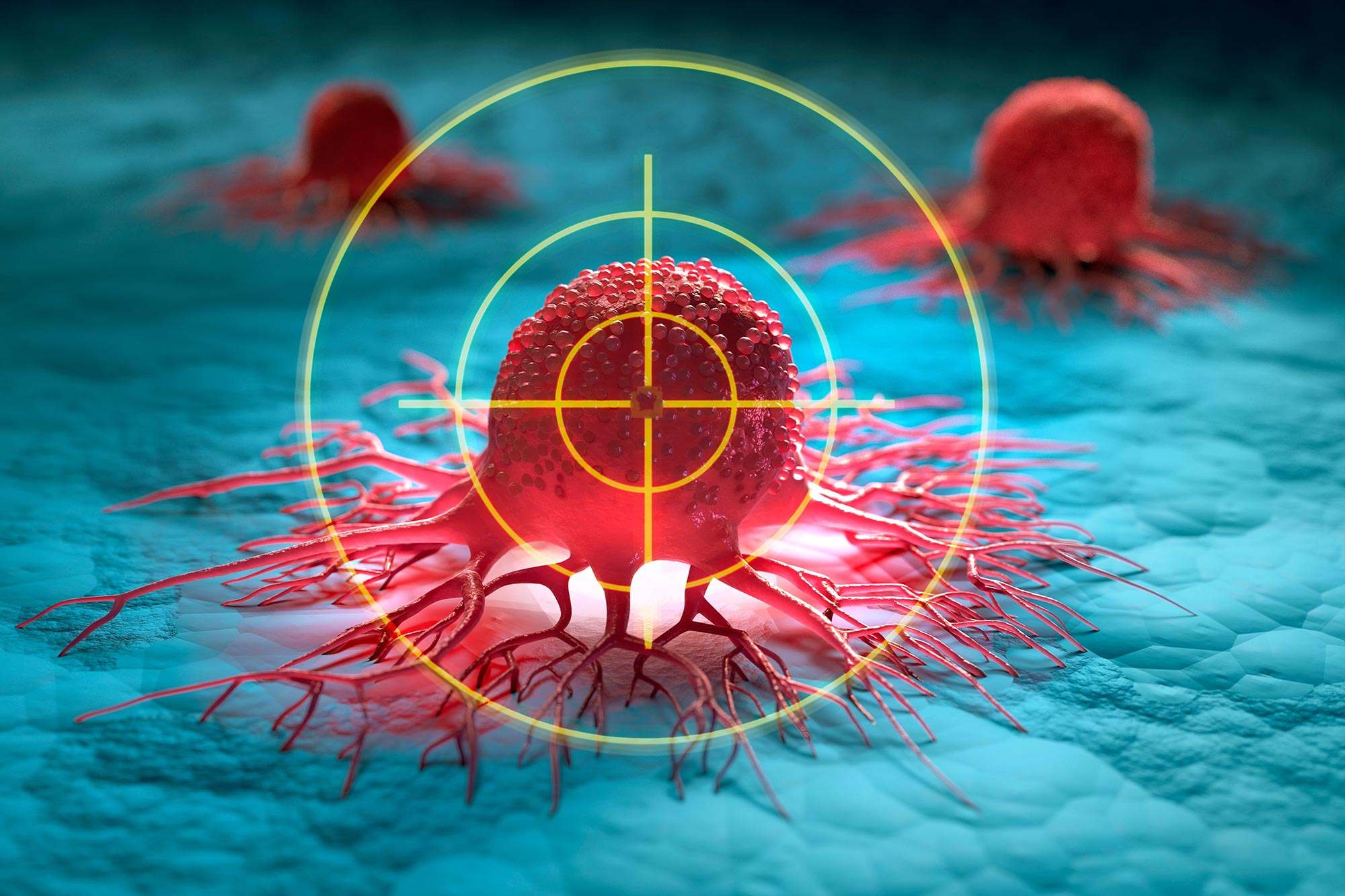
A new strategy to strengthen the body’s natural immune defenses against cancer is showing early promise, particularly for patients with limited treatment options.
Scientists have developed a new way to strengthen the cancer-fighting ability of natural killer (NK) cells, which serve as an early defense in the immune system. These cells can identify and destroy cancer, but tumors often form protective barriers that prevent NK cells from reaching their targets, allowing the disease to progress.
A team at McGill University’s Rosalind & Morris Goodman Cancer Institute, working with the Research Institute of the McGill University Health Centre, found that blocking two specific proteins helps NK cells break through these defenses. This change makes the cells far more effective at attacking cancer.
In preclinical studies, the method successfully destroyed human cancer cells across several difficult-to-treat tumor types, including leukemia, glioblastoma, kidney cancer, and triple-negative breast cancer, and it also slowed tumor growth in animal models.
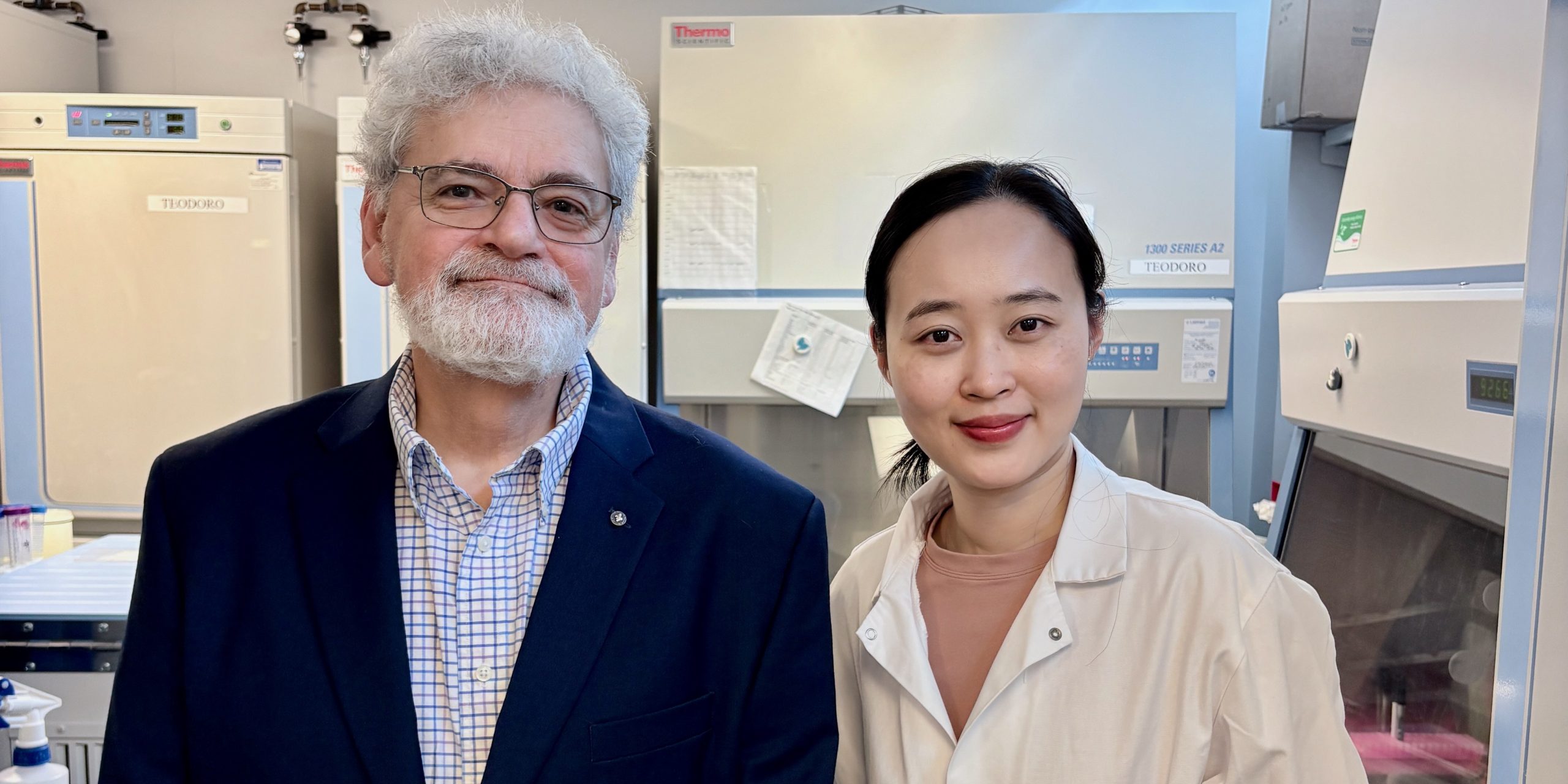
“This approach is particularly promising for patients who currently have very few options, when standard treatments have failed,” said senior author Michel L. Tremblay, Distinguished James McGill Professor in McGill’s Department of Biochemistry and researcher at the Rosalind & Morris Goodman Cancer Institute.
A safer, scalable approach
Many cancer immunotherapies rely on genetic editing, which permanently changes cells and can carry risks of unintended side effects. This new strategy takes a different approach by using small-molecule drugs to temporarily enhance NK cell activity without making lasting alterations.
According to the researchers, this method may also help address challenges that have limited the broader use of cell-based treatments.
The team used NK cells collected from umbilical cord blood donations. These cells were isolated at the Cellular Therapy Laboratory led by Pierre Laneuville and Linda Peltier at the Research Institute of McGill University Health Centre, then expanded and stored so they can be used to treat multiple patients.
Unlike many current immunotherapies that must be created individually from a patient’s own cells, a process that can take weeks, these prepared NK cells are available for immediate use.
“This approach will make immunotherapy at McGill University Health Centre faster, safer, and more affordable,” added Chu-Han Feng, a research scientist at the Rosalind & Morris Goodman Cancer Institute. “It avoids the complex process of customizing cells and uses readily available drugs to reversibly enhance NK cells’ anti-tumor activities.”
The researchers plan to focus first on acute myeloid leukemia, an aggressive form of blood cancer, in upcoming clinical trials, which are still awaiting funding and regulatory approval.
Reference: “PTPN1/PTPN2 inhibition improves NK cancer therapy by enhancing IL-2 and mitigating TGFβ1 responses” by Chu-Han Feng, Linda Peltier, Tiffanie Chouleur, Milea DiPonzio, Isabelle Aubry, Alexandre J Poirier, Zuzet M Cordova, Yunyun Shen, Sébastien Tabariès, Xiaona Cao, Guojun Chen, Andreas Bikfalvi, Silvia M Vidal, Peter M Siegel, Pierre Laneuville and Michel L Tremblay, 15 April 2026, EMBO Reports.
DOI: 10.1038/s44319-026-00745-0
This study was supported by the Canadian Institutes of Health Research Foundation, the McGill University Health Centre Foundation, the Jeanne and Jean-Louis Levesque Foundation, the Richard and Edith Strauss Foundation, the Cedars Cancer Foundation and by a Genome Canada/Genome Quebec GAPP grant. The team thanks the mothers who volunteered to donate cord blood used in this study.
Never miss a breakthrough: Join the SciTechDaily newsletter.
Follow us on Google and Google News.
1 Comment
Good morning
When will this be available for individuals around the world please.