
Close Menu
    Facebook X (Twitter) Instagram
    SciTechDaily
    • Biology
    • Chemistry
    • Earth
    • Health
    • Physics
    • Science
    • Space
    • Technology
    Facebook X (Twitter) Pinterest YouTube RSS
    SciTechDaily
    Home»Chemistry»Scientists Unlock Secret to Safer, More Powerful Batteries – And It’s in Your Closet
    Chemistry

    Scientists Unlock Secret to Safer, More Powerful Batteries – And It’s in Your Closet

    By King Abdullah University of Science & Technology (KAUST)March 11, 2025No Comments3 Mins Read
    Facebook Twitter Pinterest Telegram LinkedIn WhatsApp Email Reddit
    Share
    Facebook Twitter LinkedIn Pinterest Telegram Email Reddit
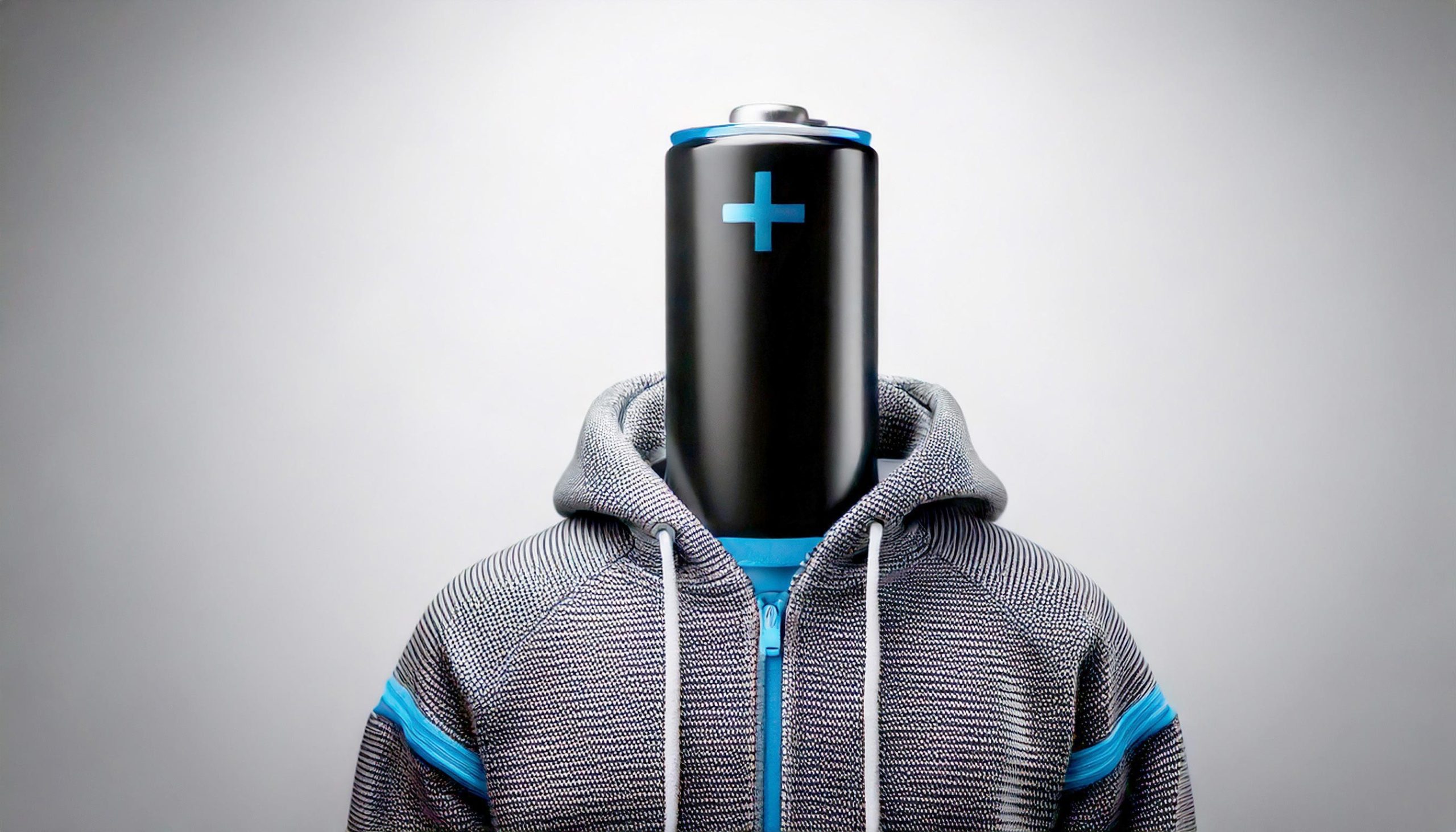
    Battery Human Hoodie
    Commercial polymers used in clothes are helping advance battery technology. Credit: Xavier Pita

    Scientists have demonstrated that nylon enhances the performance of lithium batteries.

    Scientists in Saudi Arabia have made a significant breakthrough that could enhance the performance and reduce the cost of lithium-metal batteries by integrating nylon into their design, according to two new studies published in ACS Energy Letters and Energy & Environmental Science.

    Lithium batteries are widely used due to their high energy density, lightweight properties, and lower carbon dioxide emissions. These advantages make them ideal for smartphones, compact consumer electronics, and even space exploration technology.

    There are two main types of lithium batteries. Lithium-ion batteries, the more common variant, power everyday devices such as laptops and smartphones. Lithium-metal batteries, however, offer even greater energy density and have potential applications in robotics, transportation, and other advanced industries. Despite their promise, lithium-metal batteries face challenges related to safety and longevity. Their production relies on corrosive, hazardous materials, and their operation is hindered by excessive parasitic reactions—unwanted side reactions that degrade performance and compromise safety.

    The Role of Nylon as an Additive

    Additives help stabilize battery interfaces, thereby enhancing performance. The studies by the KAUST researchers found that nylon, the same polymer used in clothes, can be dissolved in mild lithium solution to act as an additive for lithium-metal batteries. The result was lithium-metal batteries that were more efficient, had longer lifespans, and showed few parasitic reactions.

    Thus, by examining the chemistry of nylon and lithium interactions, including key molecular bonds, the study shows that the commercial fabric can be dissolved in far milder solvents than previously thought for superior battery performance.

    “Polymers have always been difficult to dissolve in common battery electrolytes. We did an intensive study of the chemical properties and modified the solvation structure and interactions,” explained Zhiming Zhao, a postdoctoral scientist at King Abdullah University of Science (KAUST) who authored the study.

    “My research team is dedicated to building renewable energy and storage solutions such as higher energy density and safer batteries to accelerate decarbonization adoption in the Kingdom. This was a discovery that promises cheaper and safer additives and demonstrates the benefits of basic scientific research,” said KAUST Professor and Chair of the KAUST Center of Excellence for Renewable Energy and Storage Technologies (CREST) Husam Alshareef, who led the two studies.

    References:

    “New Dissolution Chemistry of Nylon Promises Reversible Li-Metal Batteries” by Zhiming Zhao, Georgian Melinte, Yongjiu Lei, Dong Guo, Mohamed N. Hedhili, Zixiong Shi, Hussam Qasem and Husam N. Alshareef, 9 February 2025, ACS Energy Letters.
    DOI: 10.1021/acsenergylett.4c03221

    “Nylon electrolyte chemistry in high-energy Li-metal batteries” by Zhiming Zhao, Georgian Melinte, Dong Guo, Yongjiu Lei, Mohamed N. Hedhili, Xianrong Guo, Zixiong Shi, Yizhou Wang, Jehad K. El-Demellawi, Wenli Zhao and Husam N. Alshareef, 13 February 2025, Energy & Environmental Science.
    DOI: 10.1039/D4EE05739B

    KAUST opened CREST in September 2023 in alignment with its new strategic direction. The Kingdom is investing heavily in sustainable energy technologies, as Saudi Arabia has declared that it will be a net-zero carbon economy by 2060.

    Never miss a breakthrough: Join the SciTechDaily newsletter.
    Follow us on Google and Google News.

    Battery Technology Energy KAUST Lithium-Ion Materials Science
    Share. Facebook Twitter Pinterest LinkedIn Email Reddit

    Related Articles

    Toward Solid-State Lithium-Ion Batteries That Pack Twice As Much Energy per Pound

    Selective Separation Could Help Alleviate Critical Shortage of Rare-Earth and Other Key Metals

    Researchers Uncover the Mechanism of Ion Transport in Aqueous Li-Ion Batteries

    New Catalyst Promises Lighter, Cheaper, Higher-Capacity, Next-Generation Rechargeable Batteries

    Using Carbon Filler to Improve High-Energy Lithium-Ion Batteries

    Time for a New Contender in Energy Conversion and Storage

    Solar Flow Battery: Single Device Generates, Stores and Redelivers Renewable Electricity From the Sun

    Researchers Use Salmon DNA to Develop Next-Generation High-Capacity Battery Material

    Flexible Electrolyte Sheet Breakthrough for Advanced Lithium Metal Batteries

    Leave A Reply Cancel Reply

    • Facebook
    • Twitter
    • Pinterest
    • YouTube

    Don't Miss a Discovery

    Subscribe for the Latest in Science & Tech!

    Trending News

    One of the Universe’s Largest Stars May Be Getting Ready To Explode

    Scientists Discover Enzyme That Could Supercharge Ozempic-Like Weight Loss Drugs

    Popular Sweetener Linked to DNA Damage – “It’s Something You Should Not Be Eating”

    Ancient “Rock” Microbes May Reveal How Complex Life Began

    Researchers Capture Quantum Interference in One of Nature’s Rarest Atoms

    “A Plague Is Upon Us”: The Mass Death That Changed an Ancient City Forever

    Scientists Discover Game-Changing New Way To Treat High Cholesterol

    This Small Change to Your Exercise Routine Could Be the Secret to Living Longer

    Follow SciTechDaily
    • Facebook
    • Twitter
    • YouTube
    • Pinterest
    • Newsletter
    • RSS
    SciTech News
    • Biology News
    • Chemistry News
    • Earth News
    • Health News
    • Physics News
    • Science News
    • Space News
    • Technology News
    Recent Posts
    • Scientists Prove There Are Just Six Degrees of Separation in a Social Network
    • Bee Bacteria Could Fix a Major Flaw in Plant-Based Milk
    • Scientists Discover a Surprising Way To Make Bread Healthier and More Nutritious
    • Natural Compounds Boost Bone Implant Success While Killing Bacteria and Cancer Cells
    • After 60 Years, Scientists Uncover Unexpected Brain Effects of Popular Diabetes Drug Metformin
    Copyright © 1998 - 2026 SciTechDaily. All Rights Reserved.
    • Science News
    • About
    • Contact
    • Editorial Board
    • Privacy Policy
    • Terms of Use

    Type above and press Enter to search. Press Esc to cancel.