
Close Menu
    Facebook X (Twitter) Instagram
    SciTechDaily
    • Biology
    • Chemistry
    • Earth
    • Health
    • Physics
    • Science
    • Space
    • Technology
    Facebook X (Twitter) Pinterest YouTube RSS
    SciTechDaily
    Home»Health»Scientists Warn That Popular Takeout Dishes Contain More Salt Than You Think
    Health

    Scientists Warn That Popular Takeout Dishes Contain More Salt Than You Think

    By University of ReadingJanuary 23, 2026No Comments3 Mins Read
    Facebook Twitter Pinterest Telegram LinkedIn WhatsApp Email Reddit
    Share
    Facebook Twitter LinkedIn Pinterest Telegram Email Reddit
    Spilt Salt Shaker Table
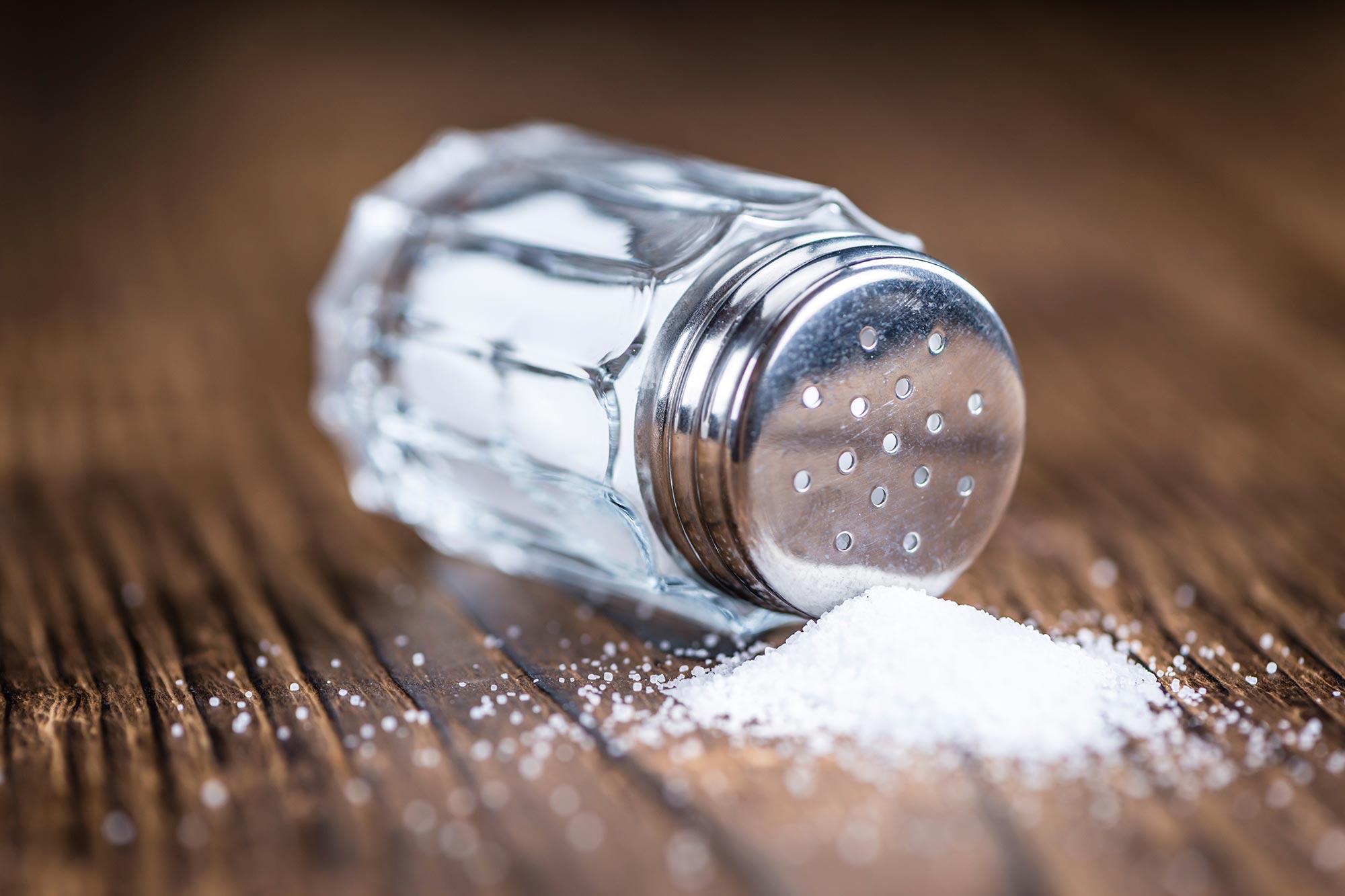
    A new analysis of takeout meals points to significant uncertainty in the nutritional information consumers rely on when eating out. The research highlights how variability in food preparation can translate into large differences in salt exposure, even within familiar dishes. Credit: Shutterstock

    New research suggests that the salt content of many popular takeout meals may be far higher than diners expect.

    New research indicates that many popular restaurant takeout meals in the UK contain more salt than menu information suggests, with some individual dishes exceeding recommended daily limits.

    The analysis showed that 47% of the foods tested had salt levels higher than what was listed on menus. Items such as curries, pasta, and pizza were especially likely to differ from their stated values.

    Although some restaurants did not provide salt information, certain meals from independent eateries in Reading were found to contain more than 10g of salt in a single serving. In comparison, the recommended daily salt intake for an adult in the UK is 6g.

    In contrast, meals from traditional fish and chip shops generally contained lower amounts of salt. This is because salt is usually added only after cooking and only when customers request it.

    The study was carried out by researchers at the University of Reading and published in the journal PLOS One. The research examined how accurate menu labeling is and how much salt content can vary between similar restaurant dishes.

    Challenges of Accurate Menu Labeling

    Professor Gunter Kuhnle, who led the study from the University of Reading, said: “We conducted this research because we suspected that many menu labels were inaccurate on salt. It is very difficult for restaurants to provide accurate values without measuring each meal. Variations in preparation methods, ingredients used, and portion sizes mean food labels are often guesswork. It’s virtually impossible to know exactly how much salt is being added to your dinner.

    “Food companies have been reducing salt levels in shop-bought foods in recent years, but our research shows that eating out is often a salty affair. Menu labels are supposed to help people make better food choices, but almost half the foods we tested with salt labels contained more salt than declared. The public needs to be aware that menu labels are rough guides at best, not accurate measures.”

    Chip choices

    The researchers bought 39 takeaway meals from 23 outlets across Reading, from mainstream restaurant chains and local independent takeaway restaurants.

    The research team’s key findings include:

    • Meat pizzas had the highest salt concentration at 1.6g per 100g.
    • Pasta dishes contained the most salt per serving, averaging 7.2g, which is more than a full day’s recommended intake in a single meal. One pasta dish contained as much as 11.2g of salt.
    • Curry dishes showed the greatest variation, with salt levels ranging from 2.3g to 9.4g per dish.
    • Chips from fish and chip shops – where salt is typically only added after cooking and on request – had the lowest salt levels at just 0.2g per serving, compared to chips from other outlets which averaged 1g per serving.

    The World Health Organization estimates that excess salt intake contributes to 1.8 million deaths worldwide each year.

    Reference: “Variability in sodium content of takeaway foods: Implications for public health and nutrition policy” by Alexandra Irina Mavrochefalos, Andrew Dodson and Gunter G. C. Kuhnle, 21 January 2026, PLOS ONE.
    DOI: 10.1371/journal.pone.0339339

    Never miss a breakthrough: Join the SciTechDaily newsletter.
    Follow us on Google and Google News.

    Diet Nutrition Public Health University of Reading
    Share. Facebook Twitter Pinterest LinkedIn Email Reddit

    Related Articles

    New Harvard Research Links Omega-3 Fatty Acid Consumption With Slower ALS Progression

    Why You Should Eat More Live Microorganisms

    Bad for Planet and Health: New Study Reveals Alarming Truth About Keto and Paleo Diets

    Adding Just a Small Handful of Walnuts to Diet Can Have Important Benefits

    Revolutionizing the British Diet: Beans in Toast

    Harvard Study Links a Variety of Healthy Eating Patterns to a Lower Risk of Premature Death

    Inorganic Food Additives Might Make Babies More Vulnerable to Potentially Life-Threatening Allergies

    Are Diets Healthier Today or Were They 30 Years Ago?

    Study Finds New Health Benefits of Walnuts

    Leave A Reply Cancel Reply

    • Facebook
    • Twitter
    • Pinterest
    • YouTube

    Don't Miss a Discovery

    Subscribe for the Latest in Science & Tech!

    Trending News

    Scientists Discover 132-Million-Year-Old Dinosaur Tracks on South Africa’s Coast

    Scientists Uncover the Secret Ingredient Behind the Spark That May Have Started Life on Earth

    Physicists Observe Matter in Two Places at Once in Mind-Bending Quantum Experiment

    Stanford Scientists Discover Hidden Brain Circuit That Fuels Chronic Pain

    New Study Reveals Why Ozempic Works Better for Some People Than Others

    Climate Change Is Altering a Key Greenhouse Gas in a Way Scientists Didn’t Expect

    New Study Suggests Gravitational Waves May Have Created Dark Matter

    Scientists Discover Why the Brain Gets Stuck in Schizophrenia

    Follow SciTechDaily
    • Facebook
    • Twitter
    • YouTube
    • Pinterest
    • Newsletter
    • RSS
    SciTech News
    • Biology News
    • Chemistry News
    • Earth News
    • Health News
    • Physics News
    • Science News
    • Space News
    • Technology News
    Recent Posts
    • New Study Warns: Asia’s Lifeline Water Source Is Rapidly Draining
    • 100 Times Worse? Thawing Permafrost May Be More Dangerous Than Previously Thought
    • “Pretty Close to Home”: The Hidden Earthquake Threat Beneath Seattle
    • The Surprising Reason You Might Want To Sleep Without a Pillow
    • Household Cats Could Hold the Secret to Fighting Breast Cancer
    Copyright © 1998 - 2026 SciTechDaily. All Rights Reserved.
    • Science News
    • About
    • Contact
    • Editorial Board
    • Privacy Policy
    • Terms of Use

    Type above and press Enter to search. Press Esc to cancel.