
Close Menu
    Facebook X (Twitter) Instagram
    SciTechDaily
    • Biology
    • Chemistry
    • Earth
    • Health
    • Physics
    • Science
    • Space
    • Technology
    Facebook X (Twitter) Pinterest YouTube RSS
    SciTechDaily
    Home»Science»Seaweed Supplements Significantly Reduce Livestock Greenhouse Gas Emissions
    Science

    Seaweed Supplements Significantly Reduce Livestock Greenhouse Gas Emissions

    By PLOSMarch 26, 20213 Comments3 Mins Read
    Facebook Twitter Pinterest Telegram LinkedIn WhatsApp Email Reddit
    Share
    Facebook Twitter LinkedIn Pinterest Telegram Email Reddit

    Beef Livestock

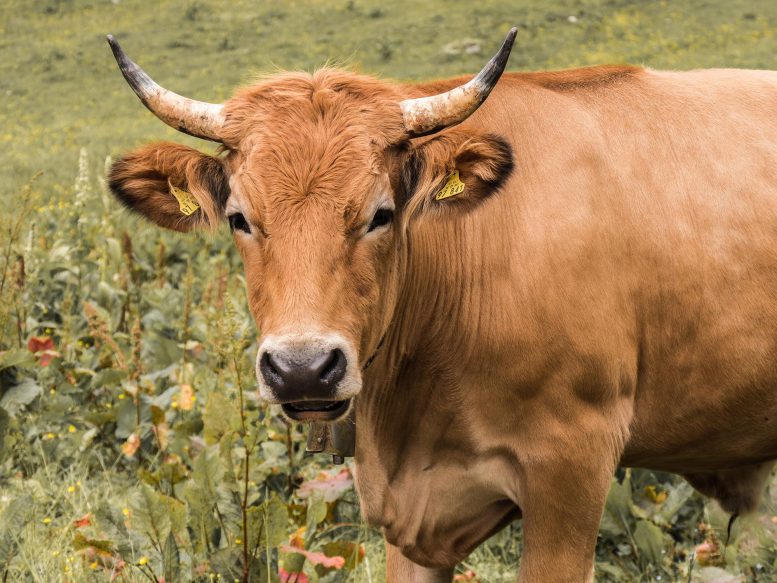
    Beef cattle fed red algae showed reductions in methane emissions of over 50 percent without affecting meat quality.

    Livestock farming is a major source of greenhouse gas emissions worldwide because ruminants like sheep and cattle produce methane as a byproduct of digestion. Supplementing the diet of beef cattle with red seaweed can more than halve methane emissions without compromising meat quality, according to a study, published on March 17, 2021, in the open-access journal PLOS ONE, by Breanna Roque from the University of California and colleagues.

    The researchers fed twenty-one Angus-Hereford beef bullocks their usual diet of hay, grains, and corn, supplemented with either zero, low, or high concentrations of red seaweed (Asparagopsis taxiformis). They measured the quantity of methane, hydrogen, and carbon dioxide released by individual bullocks periodically for 21 weeks and found that seaweed supplements reduced methane emissions by between 45 percent and 68 percent.

    The proportion of forage in the base diet also influenced emissions; the greatest reductions were found with a high seaweed-supplemented, low-forage diet, which reduced methane production by as much as 80%. Professional grading and consumer testing revealed no effect on the quality or flavor of the meat.

    Efficiency Gains and Climate Benefits for Farmers

    The study is the first to show a sustained reduction in cattle greenhouse gas emissions as a result of feed supplementation. Bullocks also sustained normal growth rates while consuming less food, suggesting that red seaweed supplemented diets could help farmers improve efficiency, reduce costs, and reduce methane emissions simultaneously, the authors say.

    “There is more work to be done, but we are very encouraged by these results,” Roque said. “We now have a clear answer to the question of whether seaweed supplements can sustainably reduce livestock methane emissions and its long-term effectiveness.”

    Read Feeding Cattle a Bit of Seaweed Reduces Their Greenhouse Gas Emissions 82% for more on this research.

    Reference: “Red seaweed (Asparagopsis taxiformis) supplementation reduces enteric methane by over 80 percent in beef steers” by Breanna M. Roque, Marielena Venegas, Robert D. Kinley, Rocky de Nys, Toni L. Duarte, Xiang Yang and Ermias Kebreab, 17 March 2021, PLOS ONE.
    DOI: 10.1371/journal.pone.0247820

    Funding: This research received financial support from Elm Innovations, the David and Lucile Packard Foundation and the Grantham Foundation. Financial Support was only used to cover the costs of conducting the experiment only. Funders did not have a role in the study design, data collection and analysis, decision to publish, or preparation of the manuscript.

    Never miss a breakthrough: Join the SciTechDaily newsletter.
    Follow us on Google and Google News.

    Agriculture Climate Change Food Science Greenhouse Gas Methane PLOS Sustainability
    Share. Facebook Twitter Pinterest LinkedIn Email Reddit

    Related Articles

    Methane Goldrush: Dairy Farms’ Untapped Wealth

    Plant-Based Food Alternatives: The Roadmap to Global Sustainability

    Feeding Cattle a Bit of Seaweed Reduces Their Greenhouse Gas Emissions 82%

    Better Health – For People and the Planet – Grows on Tropical Fruit Trees

    Many U.S. Metro Areas Could Grow All the Food They Need Locally

    Serious Challenges From Unsustainable Food Systems: Can We Reverse Current Trends?

    Climate Change Could Shrink Wine Regions Dramatically – 85% Loss for 4°C of Warming

    Game Changer: New Chemical Could Protect Crops From Drought

    Methane Gas Leaks Undermine Shift to Natural Gas

    3 Comments

    1. Bonnie Davis on March 26, 2021 11:39 am

      Hard to believe this does not change the taste of the meat. I’ve kept cows and changing their diet is the first thing people do for home consumption. Corn makes meat sweet but some of the things fed to cattle would curl your hair if you knew.

      Reply
      • Clyde Spencer on March 27, 2021 7:49 am

        Hunters also report that wild game that varies its diet, such as bears, also changes flavor depending on what they are eating. Whale meat that I have eaten had a ‘fishy’ flavor.

        Reply
    2. xABBAAA on April 2, 2021 8:54 am

      … go cows …Why the gas is not stored and used, if the cows live in a closed place, the gas can be collected and used…

      Reply
    Leave A Reply Cancel Reply

    • Facebook
    • Twitter
    • Pinterest
    • YouTube

    Don't Miss a Discovery

    Subscribe for the Latest in Science & Tech!

    Trending News

    New Pill Lowers Stubborn Blood Pressure and Protects the Kidneys

    Humans May Have Hidden Regenerative Powers, New Study Suggests

    Scientists Just Solved the Mystery of Why Crabs Walk Sideways

    Doctors Are Surprised by What This Vaccine Is Doing to the Heart

    This Popular Supplement May Boost Your Brain, Not Just Your Muscles

    Scientists Say This Simple Supplement May Actually Reverse Heart Disease

    Warming Oceans Could Trigger a Dangerous Methane Surge

    This Simple Movement Could Be Secretly Cleaning Your Brain

    Follow SciTechDaily
    • Facebook
    • Twitter
    • YouTube
    • Pinterest
    • Newsletter
    • RSS
    SciTech News
    • Biology News
    • Chemistry News
    • Earth News
    • Health News
    • Physics News
    • Science News
    • Space News
    • Technology News
    Recent Posts
    • Hidden Heart Risk Found in 1 in 5 People, Study Warns
    • Scientists Say This Daily Walking Habit May Be the Secret to Keeping Weight Off After Dieting
    • New Therapy Rewires the Brain To Restore Joy in Depression Patients
    • Researchers Discover Efficient New Way To Split Hydrogen From Water for Energy
    • This Korean Skincare Ingredient Could Help Fight Deadly Superbugs
    Copyright © 1998 - 2026 SciTechDaily. All Rights Reserved.
    • Science News
    • About
    • Contact
    • Editorial Board
    • Privacy Policy
    • Terms of Use

    Type above and press Enter to search. Press Esc to cancel.