
Close Menu
    Facebook X (Twitter) Instagram
    SciTechDaily
    • Biology
    • Chemistry
    • Earth
    • Health
    • Physics
    • Science
    • Space
    • Technology
    Facebook X (Twitter) Pinterest YouTube RSS
    SciTechDaily
    Home»Earth»Severe Tropical Cyclone Yasa Bearing Down on Island Nation of Fiji
    Earth

    Severe Tropical Cyclone Yasa Bearing Down on Island Nation of Fiji

    By Michael Carlowicz, NASA Earth ObservatoryDecember 17, 2020No Comments3 Mins Read
    Facebook Twitter Pinterest Telegram LinkedIn WhatsApp Email Reddit
    Share
    Facebook Twitter LinkedIn Pinterest Telegram Email Reddit
    Cyclone Yasa Fiji Annotated
    December 16, 2020

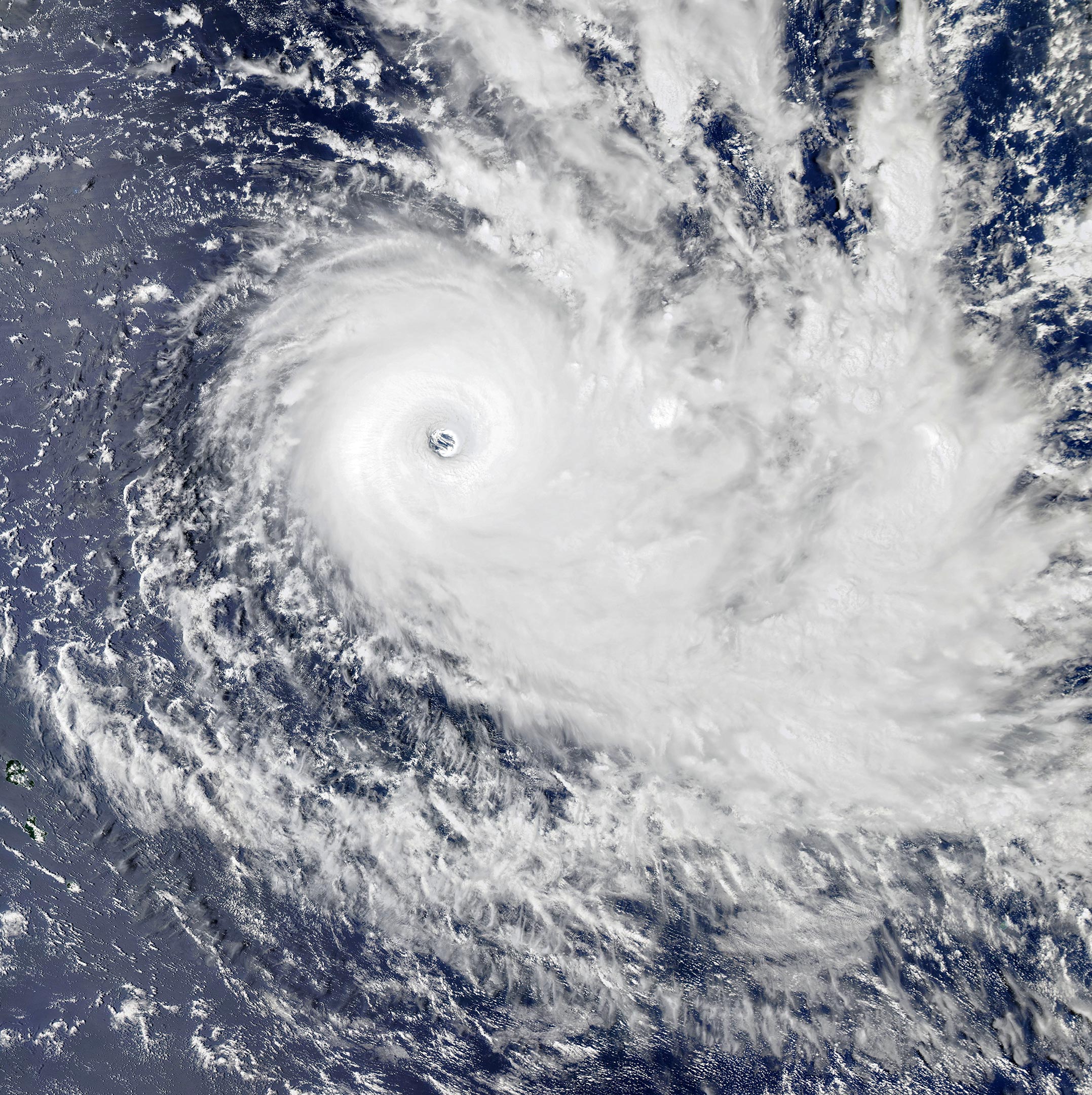
    The South Pacific island nation of Fiji is bracing for the arrival of severe tropical cyclone Yasa. Citizens were told to evacuate low-lying areas in anticipation of a storm that will likely have category 4 or 5 strength when it arrives on December 17, 2020. Tropical cyclone warnings and flash flood alerts were issued for Vanua Levu, Viti Levu, the Yasawa and Mamanuca groups, and smaller surrounding islands.

    As of midnight Fiji standard time on December 17, the Joint Typhoon Warning Center reported sustained winds of 140 knots (260 kilometers/160 miles per hour). The center of the category 5 storm was about 400 kilometers (240 miles) northwest of Suva, Fiji. The storm’s eye appeared to be headed between the islands of Viti Levu and Vanua Levu. Forecasters noted that wave heights around the eye of the storm could approach 14 meters (45 feet).

    The natural-color image above was acquired in the early afternoon on December 16, 2020, by the Moderate Resolution Imaging Spectroradiometer (MODIS) on NASA’s Aqua satellite.

    Yasa emerged as a tropical storm on December 12 and organized into a cyclone by December 14. Over the next 36 hours, wind speeds increased by 130 kilometers (80 miles) per hour—well beyond the threshold increase of 55 kilometers (35 miles) per hour that meteorologists refer to as “rapid intensification.”
    Sea Surface Temperature December 15 2020 Annotated
    December 15, 2020 JPEG

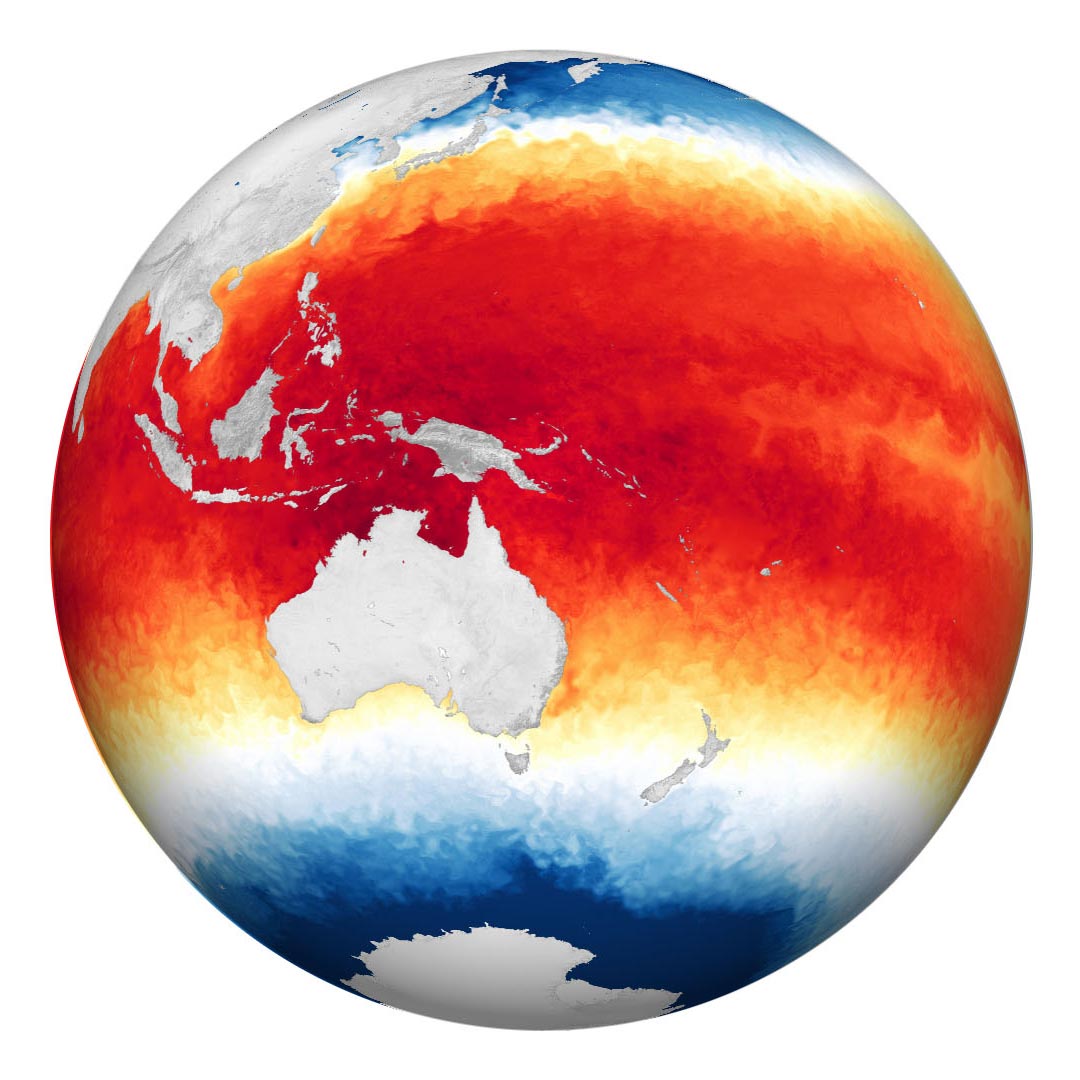
    Yasa has had plenty of fuel for growth, as the storm developed and evolved over warm South Pacific waters known to fuel cyclonic storms. The map above shows sea surface temperatures (SSTs) in the region as measured on December 15, 2020. Scientists have established that ocean temperatures should be at or above 27° Celsius (80° Fahrenheit)—red on the map—to sustain a cyclone or hurricane. The SST data come from the Multiscale Ultrahigh Resolution Sea Surface Temperature (MUR SST) project. MUR SST blends measurements of sea surface temperatures from multiple NASA, NOAA, and international satellites, as well as ship and buoy observations.

    Yasa is the fifth storm worldwide to reach category 5 strength in 2020 and the second to do so in the South Pacific. (Tropical Cyclone Harold hit Vanuatu in April.) Only one previous category 5 storm on record has made landfall in Fiji: Tropical Cyclone Winston in 2016.

    NASA Earth Observatory images by Joshua Stevens, using MODIS data from NASA EOSDIS/LANCE and GIBS/Worldview and sea surface temperature data from the Multiscale Ultrahigh Resolution (MUR) project.

    Never miss a breakthrough: Join the SciTechDaily newsletter.
    Follow us on Google and Google News.

    Cyclone NASA NASA Earth Observatory Weather
    Share. Facebook Twitter Pinterest LinkedIn Email Reddit

    Related Articles

    Bomb Cyclone Batters the Pacific Northwest Leaving 600,000 in the Dark

    Filipo’s Fury: Unleashing Nature’s Wrath on Mozambique

    Cyclone Jasper’s Fury: From Roaring Category-4 to Queensland’s Doorstep

    Unprecedented Wonder: Tropical Cyclone Freddy’s Record-Breaking Month-Long Journey Across the Indian Ocean

    Typhoon Hinnamnor: First Category 5 Cyclone on Earth in 2022

    Intense Extratropical “Bomb Cyclones” Drench US West Coast

    Tauktae: An Unusually Powerful Tropical Cyclone Strikes India

    Cyclone Seroja Slams Australia, Causing Significant Damage to Coastal Towns

    Cyclone Gati Makes Historic Landfall in Somalia – More Than a Year’s Worth of Rain in Two Days

    Leave A Reply Cancel Reply

    • Facebook
    • Twitter
    • Pinterest
    • YouTube

    Don't Miss a Discovery

    Subscribe for the Latest in Science & Tech!

    Trending News

    The Strange “Spacetime Crystal” That Can Suddenly Turn Into a Black Hole

    The Surprising Way Asteroids May Have Helped Life Begin on Earth

    Vast Hidden Structure Discovered Under Miles of Ice in East Antarctica

    A Surprising Discovery Suggests Autism Is Not One Condition

    New Alzheimer’s Discovery Could Change How Scientists Fight the Disease

    Yale Discovery Overturns Long-Held “Evolutionary Dead End” Theory

    UCLA Scientists Uncover a “Hidden Weakness” in Some of the World’s Deadliest Cancers

    Humpback Whale Stuns Scientists With 15,000 Kilometer Journey Across Oceans

    Follow SciTechDaily
    • Facebook
    • Twitter
    • YouTube
    • Pinterest
    • Newsletter
    • RSS
    SciTech News
    • Biology News
    • Chemistry News
    • Earth News
    • Health News
    • Physics News
    • Science News
    • Space News
    • Technology News
    Recent Posts
    • Meet the Artemis III Astronauts Preparing for NASA’s Boldest Moon Mission Yet
    • Scientists Develop a New Way To Measure Gravitational Waves in the Expanding Universe
    • MIT’s New Dual-Mode Rocket System Could Send Tiny Satellites to Mars
    • Scientists Discover a Biological Clock Unlike Anything Seen Before
    • This “Zombie” Sea Creature Keeps Growing After Being Cut Apart
    Copyright © 1998 - 2026 SciTechDaily. All Rights Reserved.
    • Science News
    • About
    • Contact
    • Editorial Board
    • Privacy Policy
    • Terms of Use

    Type above and press Enter to search. Press Esc to cancel.