
Close Menu
    Facebook X (Twitter) Instagram
    SciTechDaily
    • Biology
    • Chemistry
    • Earth
    • Health
    • Physics
    • Science
    • Space
    • Technology
    Facebook X (Twitter) Pinterest YouTube RSS
    SciTechDaily
    Home»Technology»Smart Pills Will Track Patients from the Inside Out
    Technology

    Smart Pills Will Track Patients from the Inside Out

    By SciTechDailyJanuary 18, 2012No Comments2 Mins Read
    Facebook Twitter Pinterest Telegram LinkedIn WhatsApp Email Reddit
    Share
    Facebook Twitter LinkedIn Pinterest Telegram Email Reddit
    Proteus Biomedical Pills Microchips Sensors
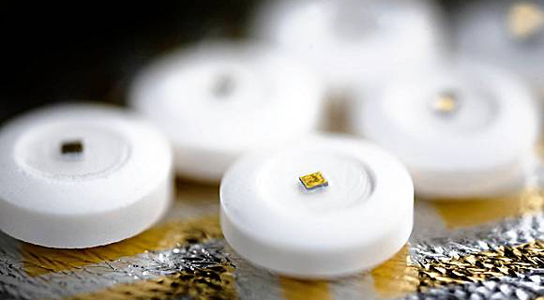
    Smart pills, equipped with embedded microchips, can monitor a patient’s medication intake. Credit: Proteus Biomedical

    Proteus Biomedical’s smart pills, which are pills that include embedded microchips, are set to launch this year in the United Kingdom, with the collaboration of LloydsPharmacy. It was announced on January 13th that these pills would be able to monitor a patient’s use of medications.

    Proteus Biomedical, a company based in Redwood City, California, will launch their Helius product, which includes sensor-enabled tablets, to monitor what medication patients are ingesting. Since it has been reported that compliance with doctor’s instructions has been lax and one of the main problems in prescription medication, there is a hope that this will alleviate the situation, especially in patients on multiple drugs.
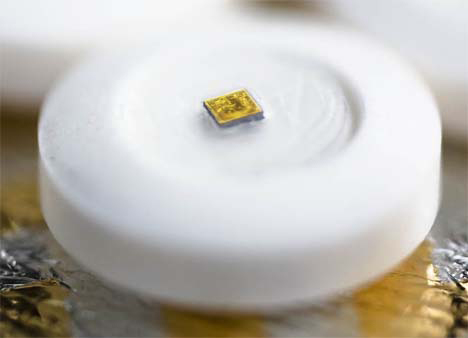
    zoom-chip-pill-proteusThe system has already been tested on hundreds of patients in different therapeutic areas, including tuberculosis, mental health, heart failure, hypertension, and diabetes. The company designed ingestible event markers, which can be taken with pills or incorporated directly into prescription medications. The embedded microchips will monitor the patient. LloydsPharmacy hopes to market this system to patients with chronic conditions, starting in September 2012.

    The sensors are activated by stomach acid and are powered by two different metals, copper and magnesium, that generate a current. The voltage is created inside of a human body, and it’s enough to power the device and to send signals. The signal is detected by a device that attaches to the patient’s skin, which also monitors heart rate, respiration, and temperature.

    NASA developed ingestible sensors in the 1980s to monitor the core temperature of their astronauts. Some athletes have adopted these sensors as well. Researchers have also created sensors with cameras to create footage from inside the body.

    Never miss a breakthrough: Join the SciTechDaily newsletter.
    Follow us on Google and Google News.

    Intelligence Microchip Sensor
    Share. Facebook Twitter Pinterest LinkedIn Email Reddit

    Related Articles

    New Air-Powered Computer Revolutionizes Healthcare Monitoring

    Cutting-Edge Quantum Sensor Unveils the Hidden Atomic World

    Quantum Breakthrough: MRI for Molecules Unlocks Secrets of the Atomic World

    “Electronic Spider Silk” Sensors: Revolutionizing Bioelectronics With Eco-Friendly Technology

    Tiny Titans: Revolutionary Microcapacitors Set to Supercharge Next-Gen Electronics

    MIT Engineers Create Game-Changing Lead Detection Device

    The Gentle Prick: Sea Slug-Inspired Stretchable Microneedles Revolutionize Biomedical Sensors

    Revolutionizing Wireless Communication: How Tiny Chips Could Transform Medical Technology

    Combining Two Nobel Prize-Winning Techniques: A New Microchip Technology

    Leave A Reply Cancel Reply

    • Facebook
    • Twitter
    • Pinterest
    • YouTube

    Don't Miss a Discovery

    Subscribe for the Latest in Science & Tech!

    Trending News

    Don’t Miss: August Brings Two Eclipses and the Perseid Meteor Shower

    Brain Waves Once Dismissed As Noise May Help Build Our Reality

    Perseverance Finds Organic Carbon Preserved Just Beneath the Martian Surface

    Tick Found in Austin Apartment Linked to Rare Relapsing Fever

    Ozempic Changes Your Body, but Does It Change Your Life? A New Study Suggests Not

    Ancient Super-Eruptions May Have Frozen Earth for Centuries

    A Common Sugar May Loosen Cancer Cells and Help Them Spread

    Scientists Discover a Major Brain Change That Starts Around Age 50

    Follow SciTechDaily
    • Facebook
    • Twitter
    • YouTube
    • Pinterest
    • Newsletter
    • RSS
    SciTech News
    • Biology News
    • Chemistry News
    • Earth News
    • Health News
    • Physics News
    • Science News
    • Space News
    • Technology News
    Recent Posts
    • Belly Fat and Low Vitamin D May More Than Double the Risk of Early Death
    • Researchers Map the Hidden 3D Geometry of a Quantum Wavefunction
    • Lost in Space: Rare Cosmic Flare Exposes a Wandering Black Hole Far From Its Galaxy’s Center
    • Dark Matter May Be Leaving a Signal in Earth’s Atmosphere
    • Scientists Find Remarkable New Snail Species in Montenegro’s Mountains
    Copyright © 1998 - 2026 SciTechDaily. All Rights Reserved.
    • Science News
    • About
    • Contact
    • Editorial Board
    • Privacy Policy
    • Terms of Use

    Type above and press Enter to search. Press Esc to cancel.