
Close Menu
    Facebook X (Twitter) Instagram
    SciTechDaily
    • Biology
    • Chemistry
    • Earth
    • Health
    • Physics
    • Science
    • Space
    • Technology
    Facebook X (Twitter) Pinterest YouTube RSS
    SciTechDaily
    Home»Science»Snow Monkeys Living in One of the World’s Coldest Regions Go Fishing To Survive Harsh Winters
    Science

    Snow Monkeys Living in One of the World’s Coldest Regions Go Fishing To Survive Harsh Winters

    By University of BirminghamDecember 1, 20211 Comment3 Mins Read
    Facebook Twitter Pinterest Telegram LinkedIn WhatsApp Email Reddit
    Share
    Facebook Twitter LinkedIn Pinterest Telegram Email Reddit
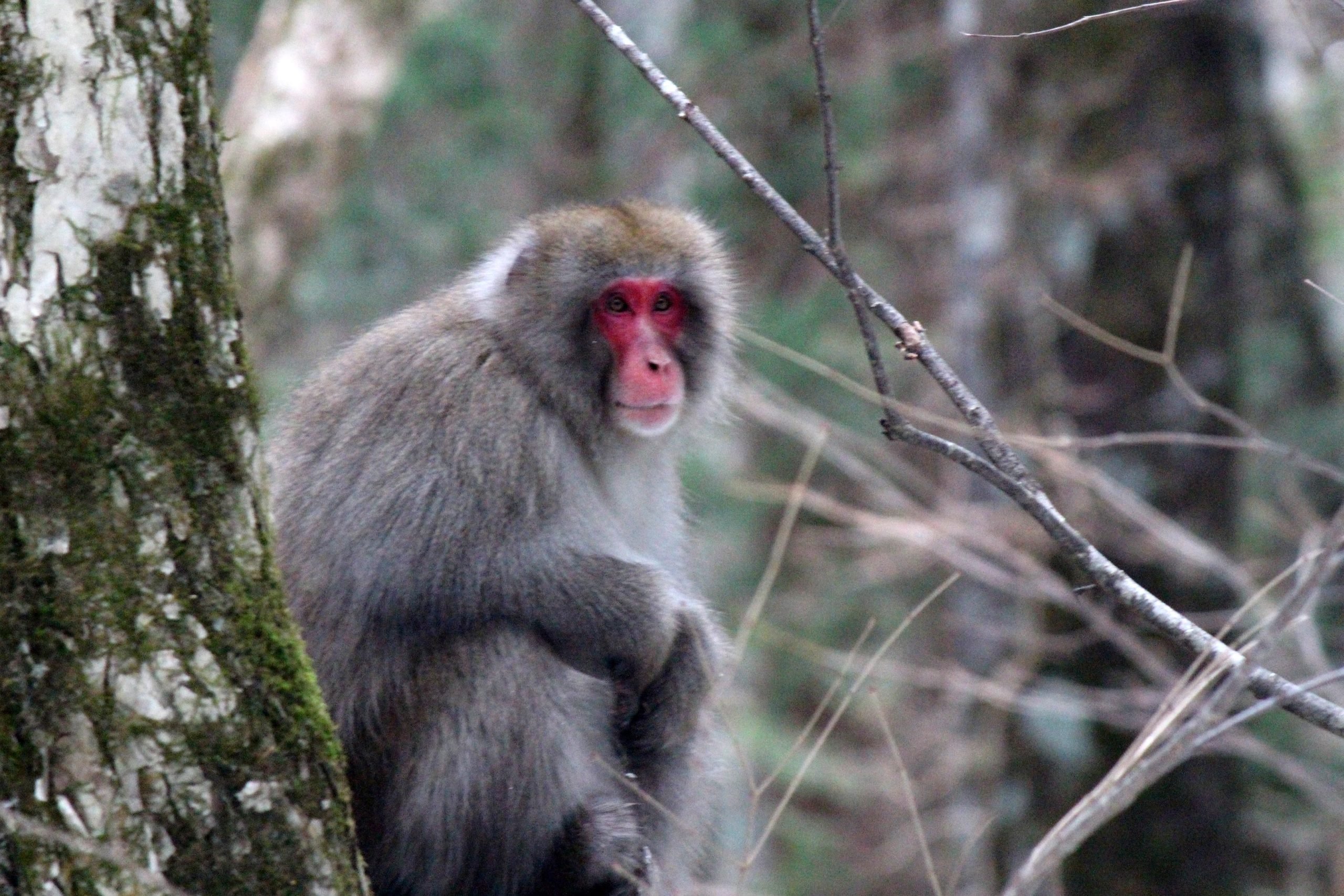
    Snow Monkey (Japanese Macaque Macaca fuscata)
    Snow monkey (Japanese macaque Macaca fuscata) in natural habitat. Credit: University of Birmingham

    DNA evidence from fecal samples confirmed Japanese snow monkeys survive severe winters by fishing in ice-free alpine streams, catching trout and eating aquatic insects and mollusks.

    Snow monkeys living in one of the world’s coldest regions survive by ‘going fishing’ – scooping live animals, including brown trout, out of Japanese rivers and eating them to stay alive, a new study reveals.

    The snow monkey (Japanese macaque Macaca fuscata) is native to the main islands of Japan, except Hokkaido. The most northerly living non-human primate find that snow cover limits the availability of their preferred foods in the Kamikochi area of Chubu Sangaku National Park of the Japanese Alps.

    With favorite foods difficult to find, the snow monkeys run low on energy and face death by starvation, but groundwater-fed streams flow during the winter with a constant water temperature of about 5 0C (43 F) and are easily accessible for Japanese macaques to search for alternative live food.

    Led by University of Birmingham experts, the international research team published its findings on November 29, 2021, in Scientific Reports — the first published scientific paper of Japanese macaques definitively eating freshwater animals in streams, including brown trout.

    Previously, Japanese macaques have been shown to opportunistically capture marine fish, either when being dried or washed up on beaches, whilst closely related species have been shown to feed on freshwater fish.

    Fecal DNA Evidence of Fish, Insects, and Mollusks

    Researchers found brown trout in Japanese macaques’ fecal samples and believe that macaques capture brown trout in shallow pools along the stream margin.

    Using metabarcoding of fecal samples to determine the monkeys’ wintertime diet, the experts discovered that the animals also feed on riverine insects and mollusks — additional food sources which are likely to aid their winter survival.

    Population Pressures and Alpine Survival Strategies

    Alexander Milner, Professor of River Ecosystems at the University of Birmingham who led the study, commented: “Japanese macaques have a wider winter home range when food resources are scarce, but Kamikochi lies in a deep valley where they cannot cross the mountains. Population density is exceptionally high and macaques must overwinter in an extremely harsh environment.

    “These larger populations create additional stress for surviving winter, but an abundance of groundwater upwellings and hot spring inputs from active volcanoes ensures many streams flow without ice cover allowing easy access to the monkeys.

    “With high numbers of freshwater animals in its rivers and streams, the Kamikochi area may be the only environment in Japan where the topographical, geological, and meteorological conditions allow Japanese macaques to supplement their winter diet in this way.”

    Researchers also found evidence of freshwater insects in macaques’ fecal samples, including aquatic insect larvae and nymphs. Although terrestrial insects are a major source of food for Japanese macaques, especially in summer, this is the first confirmed record of aquatic insect larvae and nymphs in their diet.

    Reference: “Winter diet of Japanese macaques from Chubu Sangaku National Park, Japan incorporates freshwater biota” by Alexander M. Milner, Susanna A. Wood, Catherine Docherty, Laura Biessy, Masaki Takenaka and Koji Tojo, 29 November 2021, Scientific Reports.
    DOI: 10.1038/s41598-021-01972-2

    Never miss a breakthrough: Join the SciTechDaily newsletter.
    Follow us on Google and Google News.

    Monkey University of Birmingham
    Share. Facebook Twitter Pinterest LinkedIn Email Reddit

    Related Articles

    New Study: Babies Display Creative Thinking Long Before They Talk

    Four Months Old and Already Self-Aware: New Findings in Infant Psychology

    Weaker Than Crocodiles? The Shocking Truth About Earth’s 230-Million-Year-Old Apex Predator

    Unnecessarily Complicated: Hidden Bias in the English Language Influences Everyone – Even AI Chatbots

    Prehistoric Puzzle Deciphered – Scientists Solve the Mystery of 300-Million-Year-Old Cooked Tetrapod Bones

    Scientists Reveal Why You Should Clean Your Dirty Windows

    Shocking 439-Million-Year-Old “Shark” Forces Scientists To Rethink the Timeline of Evolution

    A Century After Its Discovery: Triassic Specimen Found To Be Early Relative of Pterosaurs

    Link Between Social Life and Brain Structure Discovered in Rhesus Macaques

    1 Comment

    1. free rio on January 12, 2024 11:06 am

      wow

      Reply
    Leave A Reply Cancel Reply

    • Facebook
    • Twitter
    • Pinterest
    • YouTube

    Don't Miss a Discovery

    Subscribe for the Latest in Science & Tech!

    Trending News

    Scientists Discover How Coffee Impacts Memory, Mood, and Gut Health

    Why Did the Neanderthals Disappear? Scientists Reveal Humans Had a Hidden Advantage

    Physicists Propose Strange Experiment Where Time Goes Quantum

    Magnesium Magic: New Drug Melts Fat Even on a High-Fat, High-Sugar Diet

    Weight-Loss Drugs Like Ozempic May Come With an Unexpected Cost

    Mezcal “Worm” in a Bottle Mystery: DNA Testing Reveals a Surprise

    New Research Reveals That Your Morning Coffee Activates an Ancient Longevity Switch

    This Is What Makes You Irresistible to Mosquitoes

    Follow SciTechDaily
    • Facebook
    • Twitter
    • YouTube
    • Pinterest
    • Newsletter
    • RSS
    SciTech News
    • Biology News
    • Chemistry News
    • Earth News
    • Health News
    • Physics News
    • Science News
    • Space News
    • Technology News
    Recent Posts
    • Harvard Scientists Reveal Secret Structure Behind How You Smell
    • Scientists Just Discovered the Hidden Trick That Keeps Your Cells Alive
    • This Simple Movement Could Be Secretly Cleaning Your Brain
    • Male Birth Control Breakthrough: Scientists Find Way To Turn Sperm Production Off and Back On
    • A Common Vitamin Could Hold the Key to Treating Fatty Liver Disease
    Copyright © 1998 - 2026 SciTechDaily. All Rights Reserved.
    • Science News
    • About
    • Contact
    • Editorial Board
    • Privacy Policy
    • Terms of Use

    Type above and press Enter to search. Press Esc to cancel.