
Close Menu
    Facebook X (Twitter) Instagram
    SciTechDaily
    • Biology
    • Chemistry
    • Earth
    • Health
    • Physics
    • Science
    • Space
    • Technology
    Facebook X (Twitter) Pinterest YouTube RSS
    SciTechDaily
    Home»Earth»Snowball Earth: Global Ice Age Changed the Face of the Planet
    Earth

    Snowball Earth: Global Ice Age Changed the Face of the Planet

    By Curtin UniversityOctober 16, 2019No Comments3 Mins Read
    Facebook Twitter Pinterest Telegram LinkedIn WhatsApp Email Reddit
    Share
    Facebook Twitter LinkedIn Pinterest Telegram Email Reddit
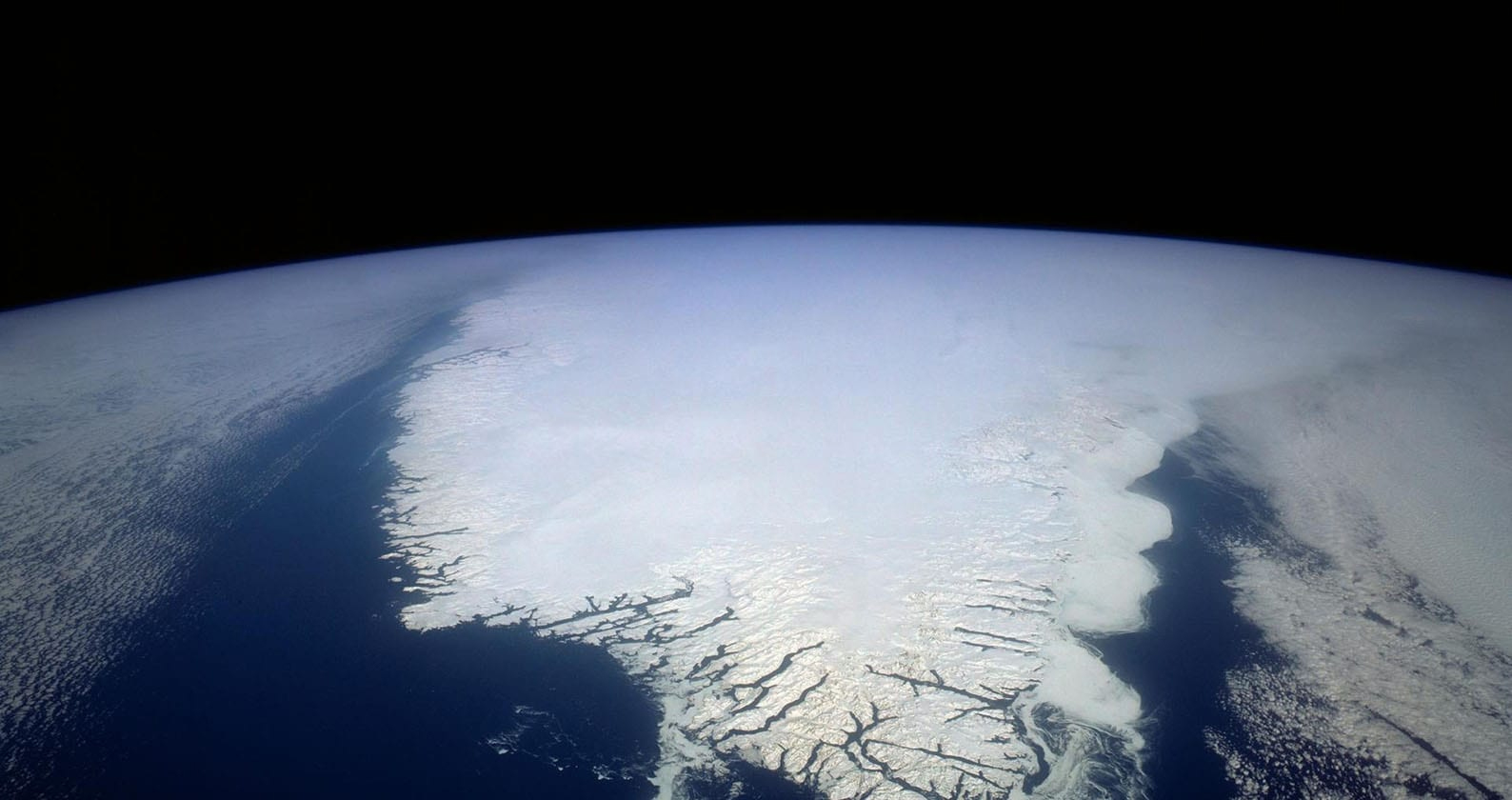
    Global Ice Age
    Credit: NASA

    Curtin University researchers have discovered that a global ice age more than 600 million years ago dramatically altered the face of the planet, leaving a barren, flooded landscape and clear oceans.

    The research, published in Terra Nova, examined how distinctive carbonate sedimentary rocks formed over the course of millions of years after the Snowball Earth.

    The sedimentary rocks, much like the limestone in tropical oceans today, formed in oceans starved of sand and mud eroded from the land.

    Lead author Ph.D. candidate Adam Nordsvan, from the School of Earth and Planetary Sciences at Curtin University, said the new research called into question previous suggestions that the formation of the characteristic rocks took place over a much shorter period of time.

    “It was previously thought that these distinctive carbonate rocks were deposited over less than 10 thousand years, as the sea level rose when the ice that covered the entire globe melted, but we have shown that they were likely deposited over hundreds of thousands to millions of years following the sea-level rise,” Mr. Nordsvan said.

    “There is already some evidence that suggested these rocks took a long time to form, but no one had been able to explain why this might have occurred.

    “What is intriguing about the period following Snowball Earth is that the planet’s surface was essentially completely renovated. It appears that the extended glacial period removed all the beaches, deserts, rivers, and floodplains, and reset important Earth systems that took millions of years to recover.”

    Co-author Dr. Milo Barham, also from Curtin’s School of Earth and Planetary Sciences, said the findings may have important implications for the evolution of complex life.

    “The melting of ice sheets after Snowball Earth caused a dramatic rise in sea level, ultimately flooding the continents, driving a remarkable retreat of shorelines and the development of clearer ocean water,” Dr. Barham said.

    “Researchers have long been aware that the timing of Snowball Earth and the development of more complex life seem to have coincided, but no one has really thought about how the oceans being starved of sediment might have helped ancient organisms thrive in the oceans.”

    ###

    The research was co-authored by researchers from the School of Earth and Planetary Sciences at Curtin University and the Eberhard Karls University of Tubingen in Germany.

    Reference: “Major shoreline retreat and sediment starvation following Snowball Earth” by Adam R. Nordsvan, Milo Barham, Grant Cox, Uwe Kirscher and Ross N. Mitchell, 10 September 2019, Terra Nova.
    DOI: 10.1111/ter.12426

    Never miss a breakthrough: Join the SciTechDaily newsletter.
    Follow us on Google and Google News.

    Climate Change Curtin University Geology Ice Age
    Share. Facebook Twitter Pinterest LinkedIn Email Reddit

    Related Articles

    New Data Reveals Sea Levels Rose 125 Feet After Last Ice Age

    Ancient Glaciers May Have Sparked the Greatest Evolutionary Leap

    The Secrets of “Slushy” Earth: Scientists Shed Light on the Massive Melting That Ended the Last Ice Age

    Mutated Ferns Show Poisonous Factor in Ancient Mass Extinction

    World’s Second-Largest Ice Sheet Becoming More Unstable As It Fractures in Shock Drone Images

    Controversial Theory on Extinction of Ice-Age Animals Supported by New Evidence

    First Day of Dinosaur Extinction Recorded by Rocks at Asteroid Impact Site

    Himalayan Glaciers Declining Less Rapidly Than Previously Thought

    Little Ice Age Sparked by Volcanoes, Sustained by Sea-Ice Feedback

    Leave A Reply Cancel Reply

    • Facebook
    • Twitter
    • Pinterest
    • YouTube

    Don't Miss a Discovery

    Subscribe for the Latest in Science & Tech!

    Trending News

    Scientists May Have Found the Key to Jupiter and Saturn’s Moon Mystery

    Scientists Uncover Brain Changes That Link Pain to Depression

    Saunas May Do More Than Raise Body Temperature – They Activate Your Immune System

    Exercise in a Pill? Metformin Shows Surprising Effects in Cancer Patients

    Hidden Oceans of Magma Could Be Protecting Alien Life

    New Study Challenges Alzheimer’s Theories: It’s Not Just About Plaques

    Artificial Sweeteners May Harm Future Generations, Study Suggests

    Splashdown! NASA Artemis II Returns From Record-Breaking Moon Mission

    Follow SciTechDaily
    • Facebook
    • Twitter
    • YouTube
    • Pinterest
    • Newsletter
    • RSS
    SciTech News
    • Biology News
    • Chemistry News
    • Earth News
    • Health News
    • Physics News
    • Science News
    • Space News
    • Technology News
    Recent Posts
    • Scientists Discover Unexpected Climate Benefit Hidden in Forest Soils
    • The Grand Canyon’s “Swiss Cheese” Rocks Hold a Critical Secret
    • Scientists Discover 430,000-Year-Old Wooden Tools, Rewriting Human History
    • Scientists Make Breakthrough on 40-Year-Old 2D Physics Puzzle
    • As Cities Invade the Amazon, Yellow Fever Makes a Dangerous Comeback
    Copyright © 1998 - 2026 SciTechDaily. All Rights Reserved.
    • Science News
    • About
    • Contact
    • Editorial Board
    • Privacy Policy
    • Terms of Use

    Type above and press Enter to search. Press Esc to cancel.