
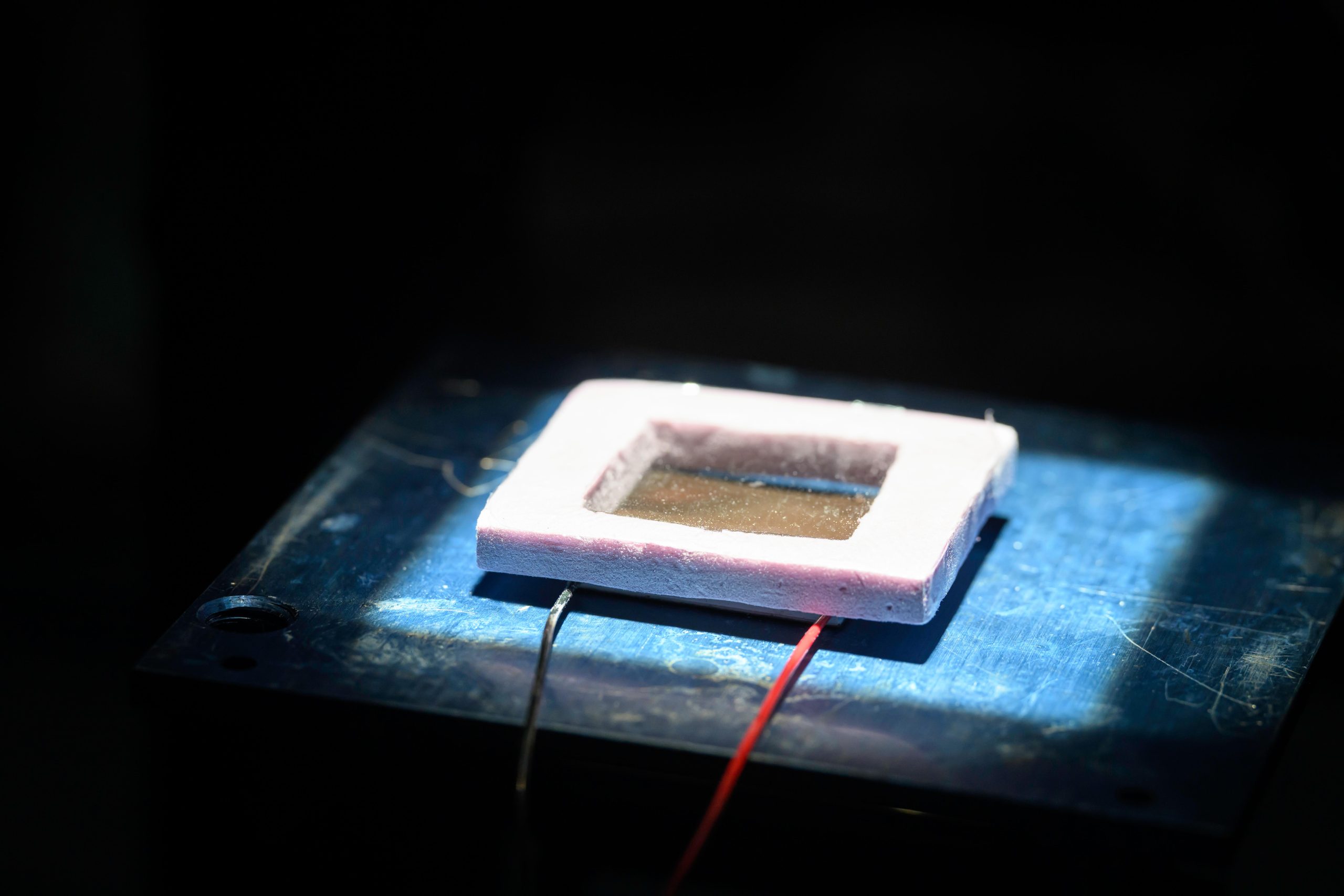
Researchers have developed a solar thermoelectric generator that is 15 times more efficient than the most advanced devices currently available.
Researchers seeking greater energy independence have explored solar thermoelectric generators (STEGs) as a potential way to produce solar electricity. Unlike the photovoltaic cells found in most solar panels, STEGs can capture various forms of thermal energy as well as direct sunlight. These devices consist of a hot side and a cold side separated by semiconductor materials, and the temperature difference between them generates electricity through the Seebeck effect.
However, widespread use of STEGs has been limited by their low efficiency. At present, most models convert less than 1 percent of incoming sunlight into electricity, far below the roughly 20 percent conversion rate achieved by standard residential solar panels.
Innovative approach at the University of Rochester
That gap in efficiency was dramatically reduced through new techniques developed by researchers at the University of Rochester’s Institute of Optics. In a study published in Light: Science and Applications, the team described their unique spectral engineering and thermal management methods to create a STEG device that generates 15 times more power than previous devices.
“For decades, the research community has been focusing on improving the semiconductor materials used in STEGs and has made modest gains in overall efficiency,” says Chunlei Guo, a professor of optics and of physics and a senior scientist at Rochester’s Laboratory for Laser Energetics. “In this study, we don’t even touch the semiconductor materials—instead, we focused on the hot and the cold sides of the device instead. By combining better solar energy absorption and heat trapping at the hot side with better heat dissipation at the cold side, we made an astonishing improvement in efficiency.”
Three strategies for efficiency gains
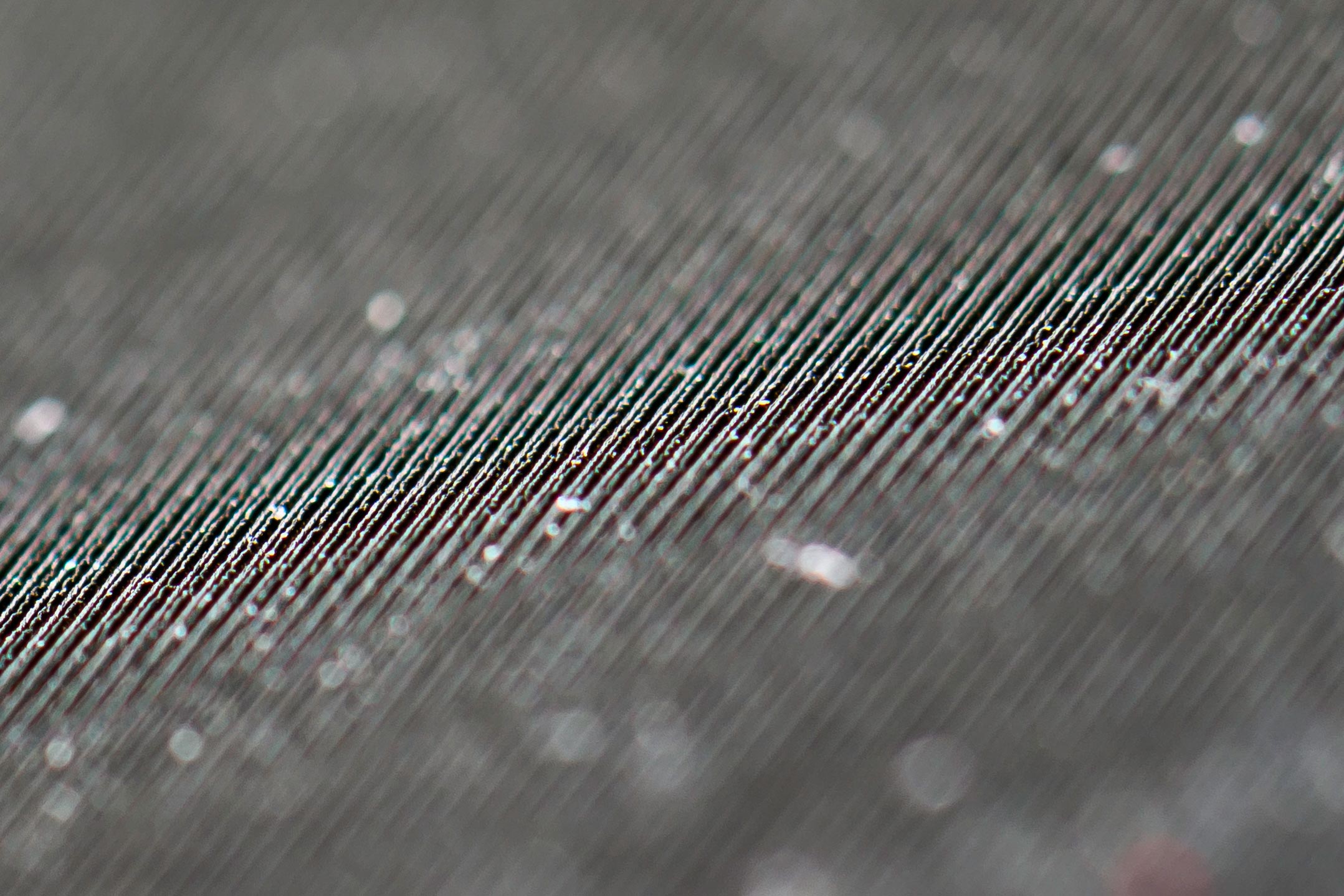
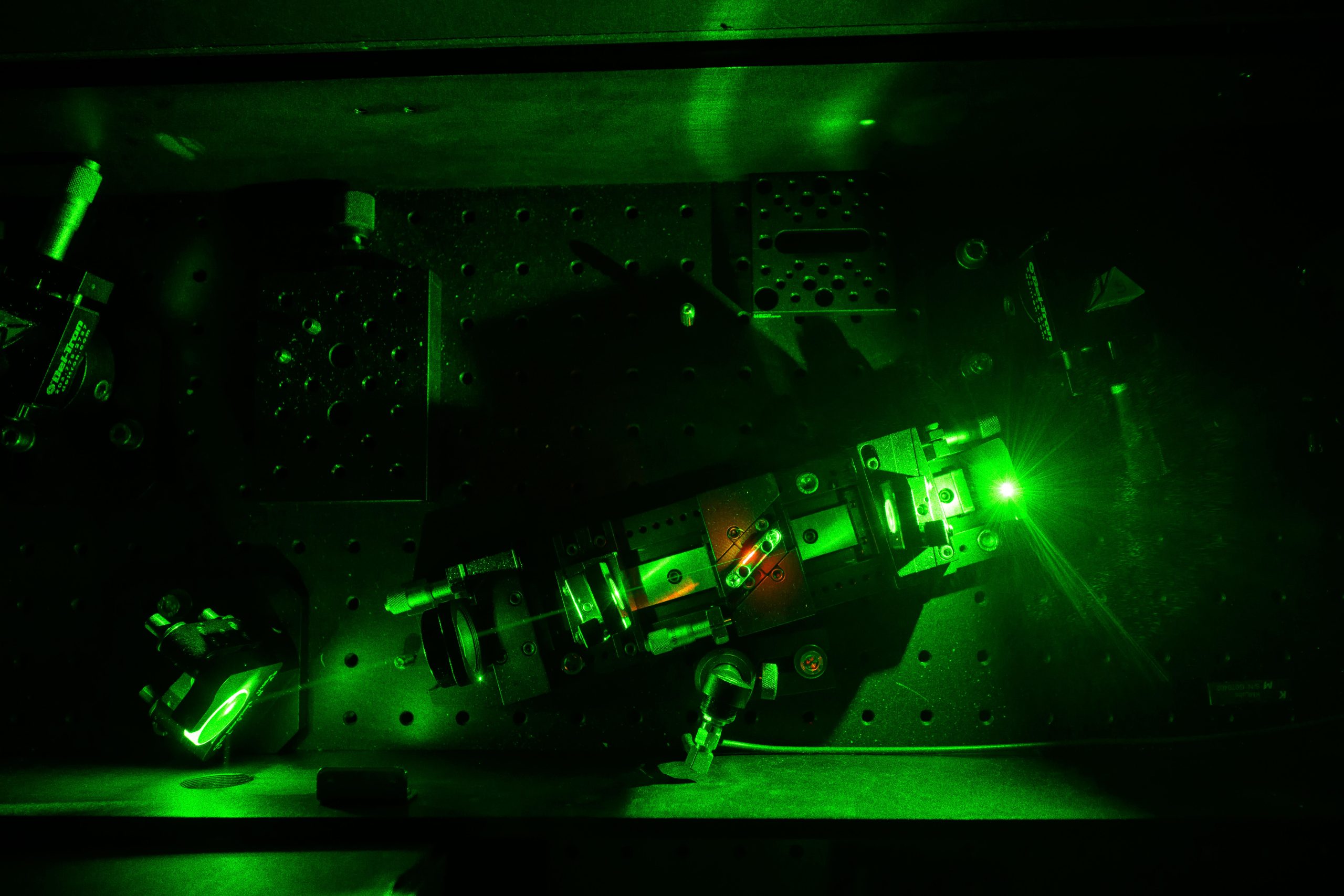
The team designed the new high-efficiency STEGs using three main strategies. For the hot side of the device, they applied a specialized black metal technology developed in Guo’s lab, which modified ordinary tungsten to selectively absorb light at solar wavelengths. By using intense femtosecond laser pulses to etch nanoscale structures into the metal’s surface, they increased its ability to capture energy from sunlight while limiting heat loss at other wavelengths.
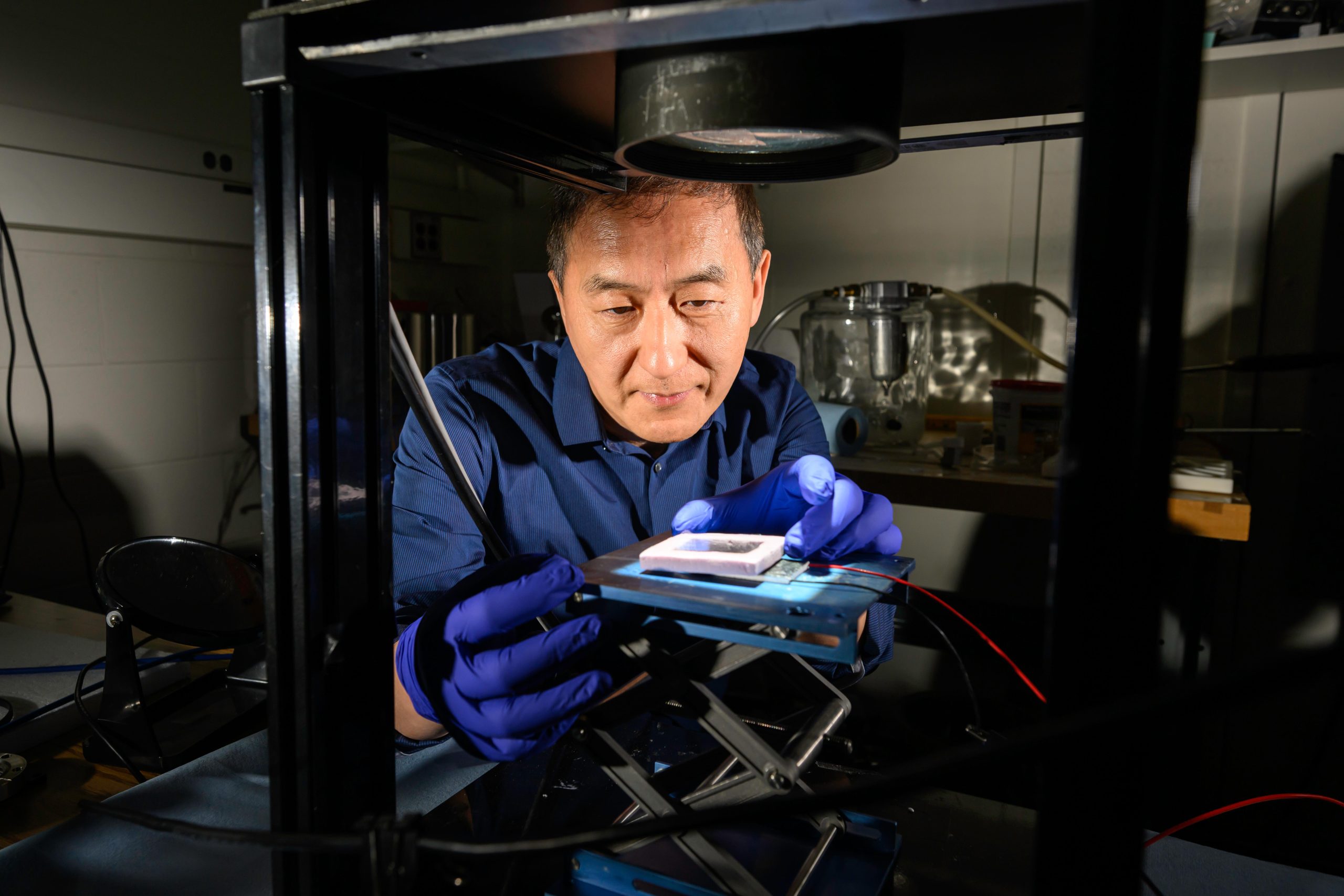
Second, the researchers “covered the black metal with a piece of plastic to make a mini greenhouse, just like on a farm,” says Guo. “You can minimize the convection and conduction to trap more heat, increasing the temperature on the hot side.”
Lastly, on the cold side of the STEG, they once again used femtosecond laser pulses, but this time on regular aluminum, to create a heat sink with tiny structures that improved the heat dissipation through both radiation and convection. That process doubles the cooling performance of a typical aluminum heat dissipator.
In the study, Guo and his research team provided a simple demonstration of how their STEGS can be used to power LEDs much more effectively than the current methods. Guo says the technology could also be used to power wireless sensors for the Internet of Things, fuel wearable devices, or serve as off-grid renewable energy systems in rural areas.
Reference: “15-Fold increase in solar thermoelectric generator performance through femtosecond-laser spectral engineering and thermal management” by Tianshu Xu, Ran Wei, Subhash C. Singh and Chunlei Guo, 12 August 2025, Light: Science & Applications.
DOI: 10.1038/s41377-025-01916-9
The National Science Foundation, FuzeHub, and the Goergen Institute for Data Science and Artificial Intelligence supported the research.
Never miss a breakthrough: Join the SciTechDaily newsletter.
Follow us on Google and Google News.
4 Comments
Like many promotional articles this was crafted in a misleading way. The efficiency gain figure was based upon how extremely inefficient prior TC based solar energy converters have been. No attempt was made to compare this record breaking design efficiency with typical commercial photovoltaic panel cells operating at near 20% efficiency. The process and tools employed to to generate these improvements are very expensive and not likely to create economically competitive solar energy converters. The real advance was in the trapping of the solar radiation and in the dissipation of the waste heat on the other side of the inefficient conversion TC module.
If you have solar but no t using solar because they locked my panel when they tried to sa say 136 dollars to 185 dollars to me that tiny little clause was never explained to me hardest me sending me bills they just got stavked up and I refused to pay that increase they bait and switched me it’s a complicated to Wright everything would take to much time I’m willing to explain if you care I had 3 major surgeries extreme replacement and healing it’s been 3 yrs still can’t walk on my own and unbelievable pain now imgoing to Pennsylvania hospital to one of the best orthopedic surgeons
My sympathies to this hard-working, brilliantly innovative fab team for the two vapid anti-solar jabs that are so far the sum of the commentary received on the public announcement in STD; you are rightfully proud of. I live in a place that hits 120 degrees regularly in any given summer. I have become interested in specialized, extremely compact thermal management using the newly emerging cutting-edge technologies. If a translucent panel that had nanotech, such as one side having a 2d coating that absorbed and converted radiant heat in the ambient atmosphere in an enclosure formed by four identical panels assembled into a box, into infrared emission, possibly using nano dot diodes that would then radiate onto your device tuned to absorb max IR, and cooled the cold side with a negative thermal energy input such as liguid atmosphere (for safty reasons) in the form of a screwed on cannister like those C02 pellet gun propellents on a trickle release fed into the bottoms of the channels cut in the aluminum side, naturally rising to vent to atmosphere then i would gain useful electrical energy to offset the costs of the liquid atmosphere cannisters. The container should be built to accommodate a DieHard 2000-watt, 1,025-watt-hour power station, sold on Amazon. It would be designed to allow a standard 120V refrigerator plug to be plugged into the AC receptacle of said power station. Also, it must have a standard Anderson? Solar panel connector terminal. That would parallel the thermoelectric output of your device. That way, I could run my highly efficient seven CF refrigerator indefinitely, with the inputs of the recommended 120-watt solar panel and whatever those devices generate. I live in an RV that has had the original Dometic AC/DC/Propane refrigerator replaced with the aforementioned refrigerator. On the outside of the RV is an access door where one selects the power source of the refrigerator. One chooses A/C by plugging the refrigerator into a built-in receptacle. By default, that’s where the replacement refrigerator plugs in. Using my power station is as easy as unplugging that refrigerator and plugging it into my power station using a short extension cord. leaving the panel ajar and placing the power station on an outdoor chair. I tested that out at night because I knew this would fry the power station on one of those extreme heat days if the grid went down. That’s why I need you to do a start-up and put an intelligent thermal management accessory for portable power stations on the market ASAP. I could drill some holes in the camper and set the power station indoors as a toe stubber in front of the fridge, but I would prefer to go all nanotech sci-fi on that thang.
Wow looks and results are very impressive