
Close Menu
    Facebook X (Twitter) Instagram
    SciTechDaily
    • Biology
    • Chemistry
    • Earth
    • Health
    • Physics
    • Science
    • Space
    • Technology
    Facebook X (Twitter) Pinterest YouTube RSS
    SciTechDaily
    Home»Space»Space Sustainability: NASA Funds Projects to Study Orbital Debris
    Space

    Space Sustainability: NASA Funds Projects to Study Orbital Debris

    By NASAOctober 15, 20221 Comment2 Mins Read
    Facebook Twitter Pinterest Telegram LinkedIn WhatsApp Email Reddit
    Share
    Facebook Twitter LinkedIn Pinterest Telegram Email Reddit
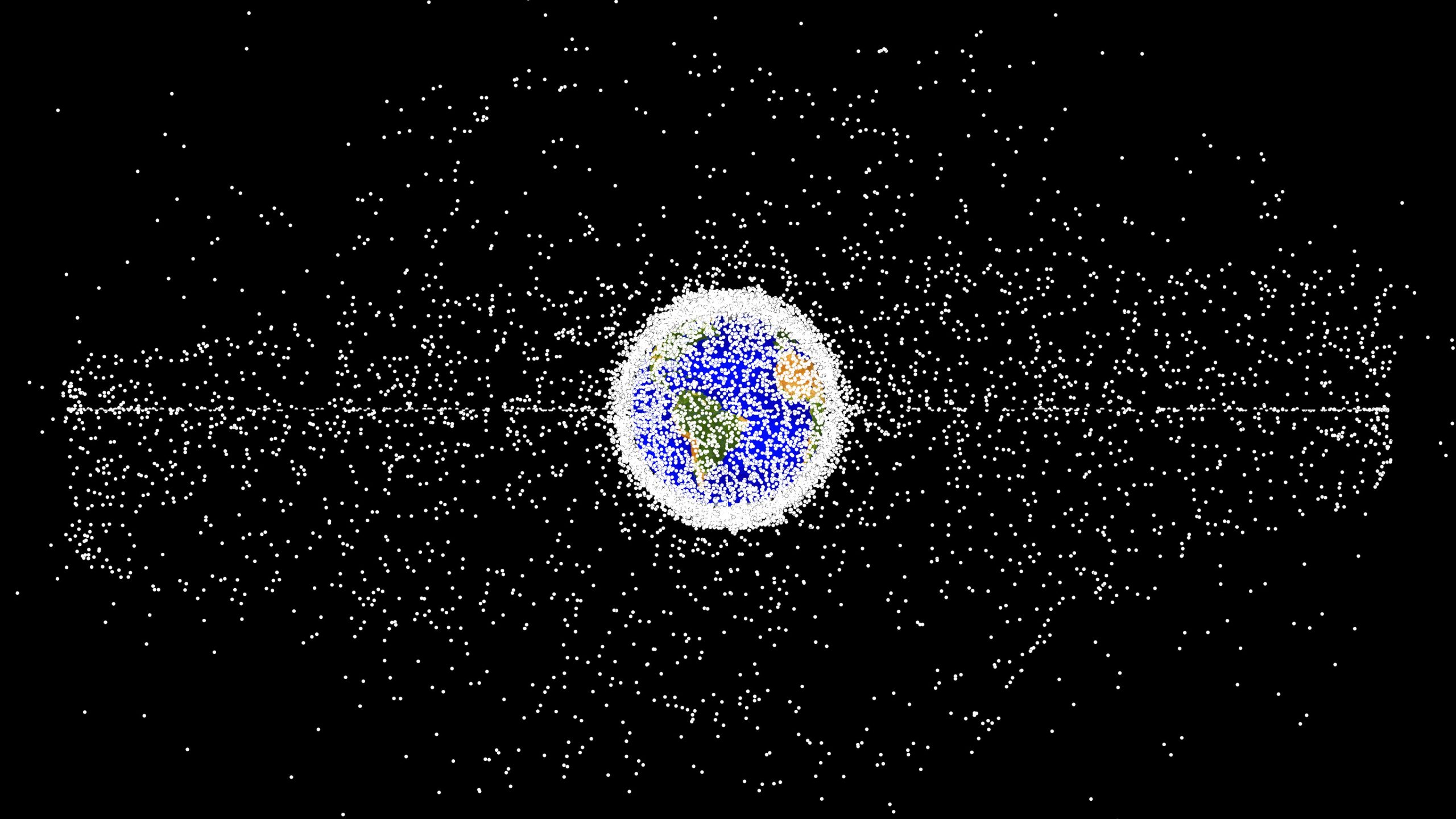
    Orbital Space Debris Simulation
    Simulation of orbital debris around Earth demonstrating the object population in the geosynchronous region. Credit: NASA ODPO

    NASA Sponsors Research on Space Sustainability

    NASA is sponsoring research proposals from three university-based teams over the course of the next year to examine the economic, social, and regulatory concerns related to space sustainability as part of its efforts to address orbital debris.

    Human-made objects orbiting Earth that no longer serve a purpose are considered orbital debris. Such “space junk” includes mission-related and fragmentation debris, abandoned rocket stages, and nonfunctional spacecraft.

    The threat of orbital debris is taken seriously by NASA as these objects can endanger spacecraft and jeopardize access to space. Furthermore, it can impede the development of a low-Earth orbit economy, including commercial participation. These new awards will fund research that supports NASA’s commitment to addressing the problem.

    “Orbital debris is one of the great challenges of our era,” said Bhavya Lal. She is associate administrator for the Office of Technology, Policy, and Strategy (OTPS) at NASA Headquarters in Washington. “Maintaining our ability to use space is critical to our economy, our national security, and our nation’s science and technology enterprise. These awards will fund research to help us understand the dynamics of the orbital environment and show how we can develop policies to limit debris creation and mitigate the impact of existing debris.”

    Research Proposals to Tackle Orbital Debris Challenges

    A panel of experts evaluated and selected the following three proposals:

    • “Communication and Space Debris: Connecting with Public Knowledges and Identities,” submitted by Patrice Kohl, Sergio Alvarez, and Philip Metzger of the University of Central Florida.
    • “An Integrated Assessment Model for Satellite Constellations and Orbital Debris,” submitted by Akhil Rao of Middlebury College, Daniel Kaffine of the University of Colorado-Boulder, and Brian Weeden of the Secure World Foundation.
    • “Adaptive Space Governance and Decision-Support using Source-Sink Evolutionary Environmental Models,” submitted by Richard Linares and Danielle Wood of the Massachusetts Institute of Technology and Moriba Jah of the University of Texas-Austin; Privateer Space of Maui, Hawaii, and The Aerospace Corporation of El Segundo, California, will support verification and validation of the project’s modeling tool.

    NASA’s OTPS will make the teams’ results publicly available on the agency’s website. Selected teams also can work with the international Organization for Economic Cooperation and Development as part of an international call for research proposals focused on orbital debris and space sustainability.

    Never miss a breakthrough: Join the SciTechDaily newsletter.
    Follow us on Google and Google News.

    NASA Space Debris
    Share. Facebook Twitter Pinterest LinkedIn Email Reddit

    Related Articles

    Exploring Earth’s Edge: How NASA’s TES-22 Is Tackling Space Debris and the Thermosphere

    Innovative NASA Solutions for Cleaning Up Space Debris Efficiently

    NASA Solves Mystery: Identifies Object That Crashed Into Florida Home

    We Asked a NASA Technologist: What Happens to Old Satellites?

    Rocket About To Slam Into the Moon Was Launched by China, Not SpaceX

    Space Station Fires Thrusters To Avoid Dangerous Debris From Pegasus Rocket

    NASA Delays Spacewalk To Replace Faulty Space Station Antenna After Debris Notification

    Space Station Operations Return to Normal After Destructive Russian Anti-Satellite Test

    Space Junk and Human Spacecraft – Department of Defense Tracking More Than 27,000 Pieces of Orbital Debris

    1 Comment

    1. Eric M. Jones on October 16, 2022 3:56 pm

      Ships that get to orbital altitude but don’t orbit could discharge water clouds that would impact orbital debris and deorbit it. It would give Richard Branson something useful to do.

      Reply
    Leave A Reply Cancel Reply

    • Facebook
    • Twitter
    • Pinterest
    • YouTube

    Don't Miss a Discovery

    Subscribe for the Latest in Science & Tech!

    Trending News

    Scientists Warn: America’s Most Popular Cooking Oil May Be Harming Your Intestines

    Scientists Say a 59,000-Year-Old Neanderthal Tooth Shows Evidence of Surgery

    Scientists Finally Think They Know Why T. rex Had Tiny Arms

    This Alien Planet Has Rock Clouds That Vaporize Before Sunset

    The Simple Habit That Could Lower Your Cancer Risk

    146,000-Year-Old Discovery Rewrites the Story of Human Creativity

    The Type of Alcohol You Drink Could Affect How Long You Live

    This Common Vitamin May Help Stop Prediabetes From Turning Into Diabetes

    Follow SciTechDaily
    • Facebook
    • Twitter
    • YouTube
    • Pinterest
    • Newsletter
    • RSS
    SciTech News
    • Biology News
    • Chemistry News
    • Earth News
    • Health News
    • Physics News
    • Science News
    • Space News
    • Technology News
    Recent Posts
    • Doctors Say Your Ice Pack Might Be Making Injuries Worse
    • Scientists Discover 43-Foot Sea Reptile Twice the Size of a Great White Shark
    • Scientists Discover New Way To Freeze and Revive Living Brain Tissue
    • Bees and Birds Are Drinking Alcohol From Flowers
    • Scientists Discover How Obesity May Trigger Alzheimer’s Disease
    Copyright © 1998 - 2026 SciTechDaily. All Rights Reserved.
    • Science News
    • About
    • Contact
    • Editorial Board
    • Privacy Policy
    • Terms of Use

    Type above and press Enter to search. Press Esc to cancel.