

A NASA instrument to provide unprecedented resolution of monitoring major air pollutants – down to four square miles – lifted off on its way to geostationary orbit at 12:30 a.m. EDT Friday, April 7, 2023. The Tropospheric Emissions: Monitoring of Pollution (TEMPO) instrument will improve life on Earth by revolutionizing the way scientists observe air quality from space.
“The TEMPO mission is about more than just studying pollution – it’s about improving life on Earth for all. By monitoring the effects of everything from rush-hour traffic to pollution from forest fires and volcanoes, NASA data will help improve air quality across North America and protect our planet,” said NASA Administrator Bill Nelson.
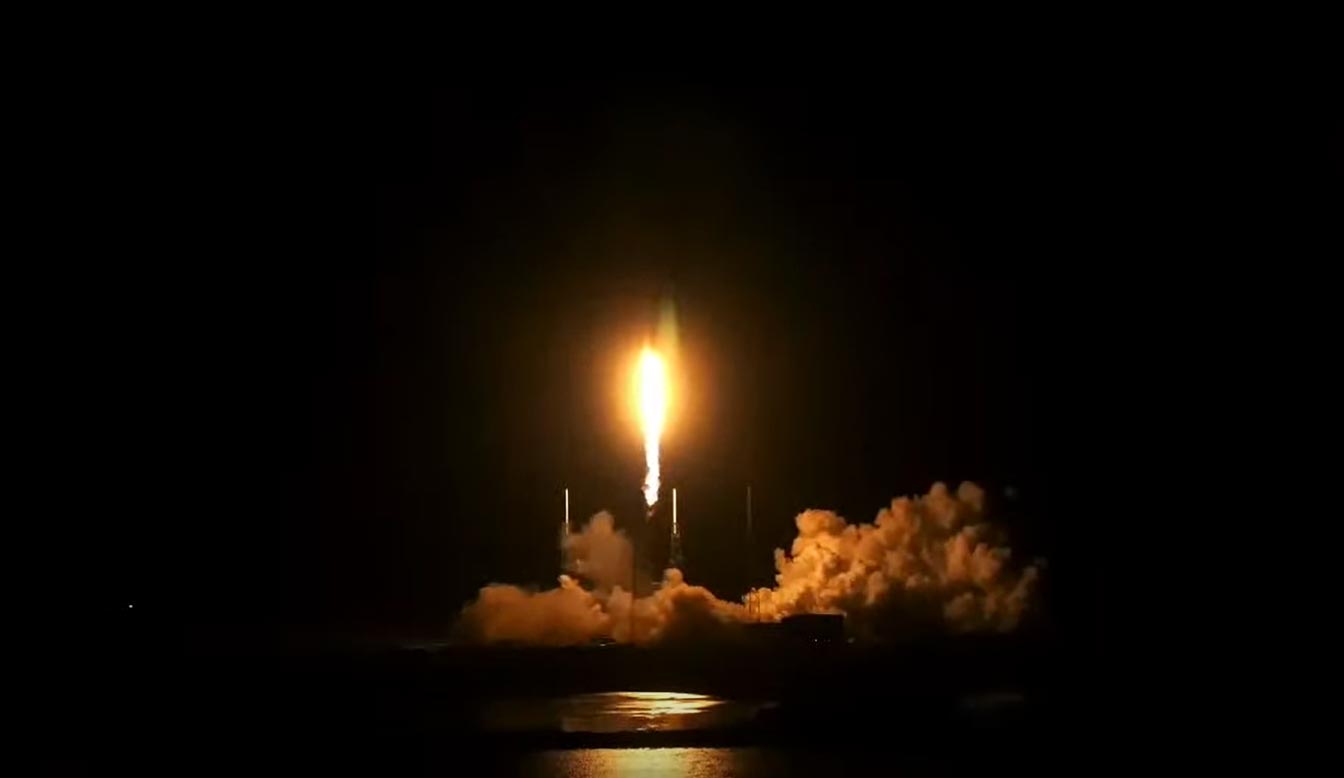
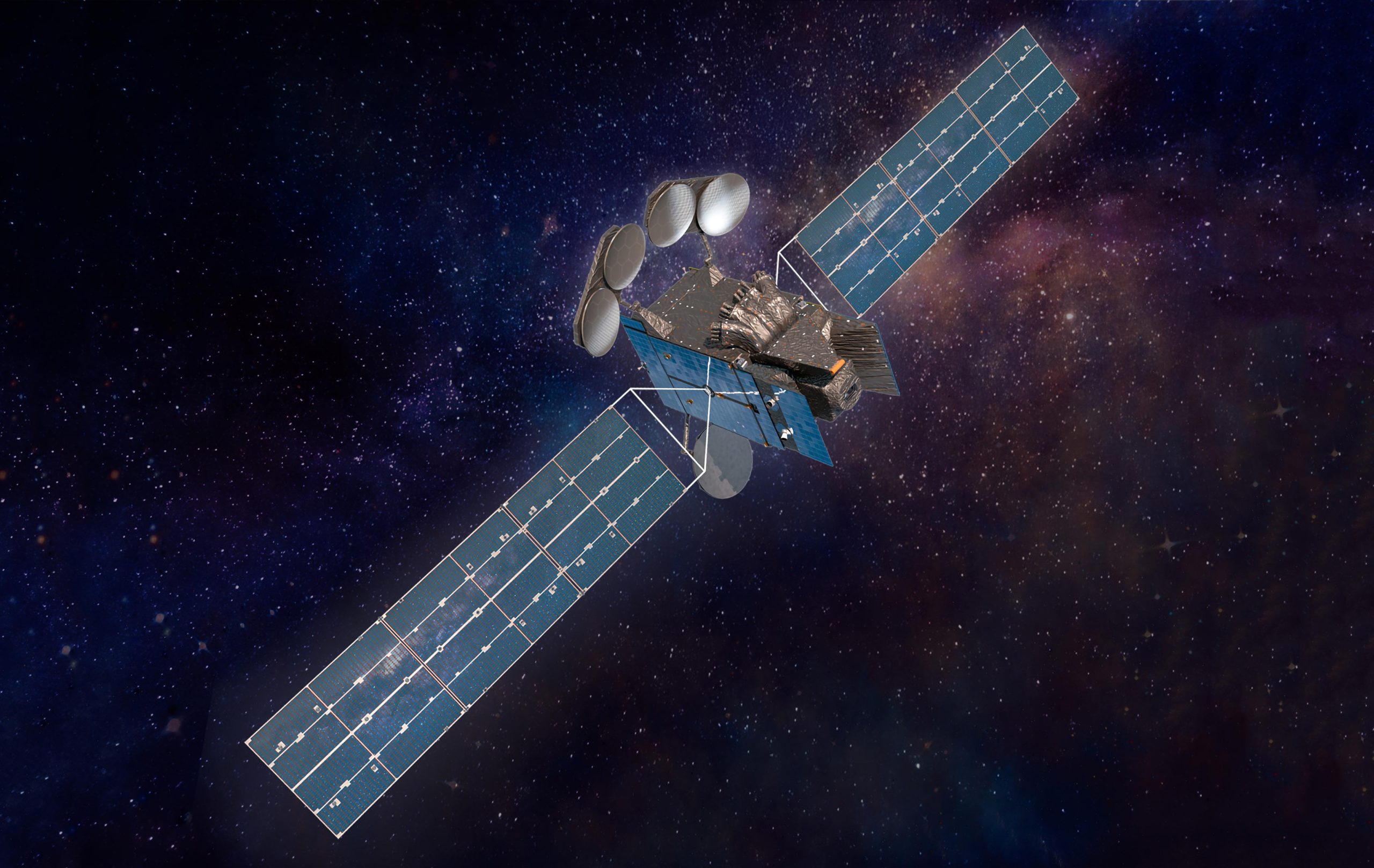
NASA’s TEMPO launched from Cape Canaveral Space Force Station in Florida atop a SpaceX Falcon 9 rocket. The instrument is a payload on the satellite Intelsat 40E, which separated from the rocket approximately 32 minutes after launch. Signal acquisition occurred at 1:14 a.m. TEMPO commissioning activities will begin in late May or early June.
On Friday, April 7 at 12:30 a.m. ET, Falcon 9 launched the Intelsat IS-40e mission to a geosynchronous transfer orbit from Space Launch Complex 40 (SLC-40) at Cape Canaveral Space Force Station in Florida. This was the fourth launch and landing of this booster, which previously supported CRS-26, OneWeb Launch 16, and one Starlink mission. Credit: SpaceX
From a fixed geostationary orbit above the equator, TEMPO will be the first space-based instrument to measure air quality over North America hourly during the daytime and at spatial regions of several square miles – far better than existing limits of about 100 square miles in the U.S. TEMPO data will play an important role in the scientific analysis of pollution, including studies of rush hour pollution, the potential for improved air quality alerts, the effects of lightning on ozone, the movement of pollution from forest fires and volcanoes, and even the effects of fertilizer application.
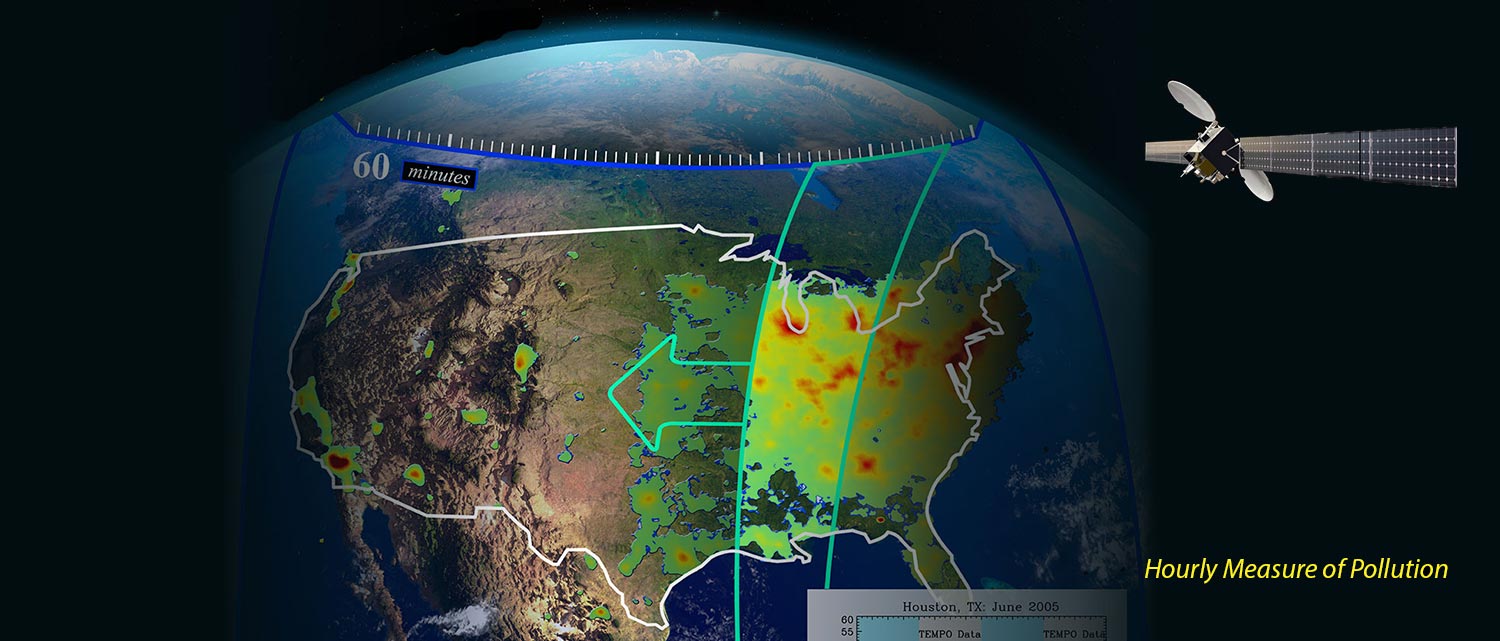
Graphic overview of TEMPO mission. Credit: NASA/SAO
“NASA makes data from instruments like TEMPO easily accessible to everyone,” said Karen St. Germain, division director for NASA’s Earth Sciences Division. “Which means that everyone from community and industry leaders to asthma sufferers are going to be able to access air quality information at a higher level of detail – in both time and location – than they’ve ever been able to before. And that also provides the information needed to start addressing one of the most pressing human health challenges.”
TEMPO’s observations will dramatically improve the scientific data record on air pollution – including ozone, nitrogen oxide, sulfur dioxide and formaldehyde – not only over the continental United States, but also Canada, Mexico, Cuba, the Bahamas, and part of the island of Hispaniola.
“Our TEMPO slogan is ‘It’s about time,’ which hints at TEMPO’s ability to provide hourly air pollution data,” said Xiong Liu, deputy principal investigator for TEMPO at the Center for Astrophysics | Harvard & Smithsonian in Cambridge, Massachusetts. “After working on the TEMPO for more than 10 years, it is about time to launch TEMPO to produce real TEMPO data and start the new era of air quality monitoring over North America.”
From its geostationary orbit – a high Earth orbit that allows satellites to match Earth’s rotation – TEMPO also will form part of an air quality satellite virtual constellation that will track pollution around the Northern Hemisphere. South Korea’s Geostationary Environment Monitoring Spectrometer, the first instrument in the constellation, launched into space in 2020 on the Korean Aerospace Research Institute GEO-KOMPSAT-2B satellite, and is measuring pollution over Asia. The ESA (European Space Agency) Sentinel-4 satellite, scheduled to launch in 2024, will make measurements over Europe and North Africa.
TEMPO will provide the first-ever hourly daytime observation of atmospheric pollution at high spatial resolution over greater North America. This unprecedented coverage is expected to revolutionize air quality forecasting, as well as deliver major new insights into numerous fields, including climate science and agriculture.
“This marks a new era in our ability to observe air pollution over North America, including the entire continental United States,” said Barry Lefer, TEMPO project scientist and tropospheric composition program manager for NASA. “It’s also opening the door for us to work more closely with our international partners to better understand global air quality and its transport.”
The instrument was built by Ball Aerospace and integrated onto Intelsat 40E by Maxar.
Never miss a breakthrough: Join the SciTechDaily newsletter.
Follow us on Google and Google News.