
The new material can capture small quantities of benzene, a harmful pollutant, from the air while using less energy than previous materials
A new material that can remove harmful substances from the air was created by scientists at the University of Limerick in Ireland.
According to the researchers, the substance uses far less energy than current materials and can capture trace levels of the harmful pollutant benzene from the air.
The researchers believe the sponge-like porous material might revolutionize the search for clean air and make a substantial contribution to the fight against climate change.
Professor Michael Zaworotko, Bernal Chair of Crystal Engineering and Science Foundation of Ireland Research Professor at the University of Limerick’s Bernal Institute, and colleagues developed the new material. The findings were reported in the prestigious Nature Materials journal on April 28th, 2022.
Tackling Volatile Organic Compounds (VOCs)
Volatile organic compounds (VOCs) including benzene are a class of toxic pollutants that cause severe environmental and health issues. Developing technologies to remove benzene from air at trace concentrations and doing it with a low energy footprint are both challenges that have not been overcome until now.
“A family of porous materials — like a sponge — have been developed to capture benzene vapor from polluted air and produce a clean air stream for a long working time,” explained Professor Zaworotko.
“These materials could be regenerated easily under mild heating, making them candidates for air purification and environmental remediation.
“Our materials can do much better in both sensitivity and working time than traditional materials.”
Professor Zaworotko and Dr. Xiang-Jing Kong from the Department of Chemical Sciences at UL, along with colleagues from leading universities in China, developed the new porous material which has such a strong affinity for benzene that it captures the toxic chemical even when present at just 1 part in 100,000.
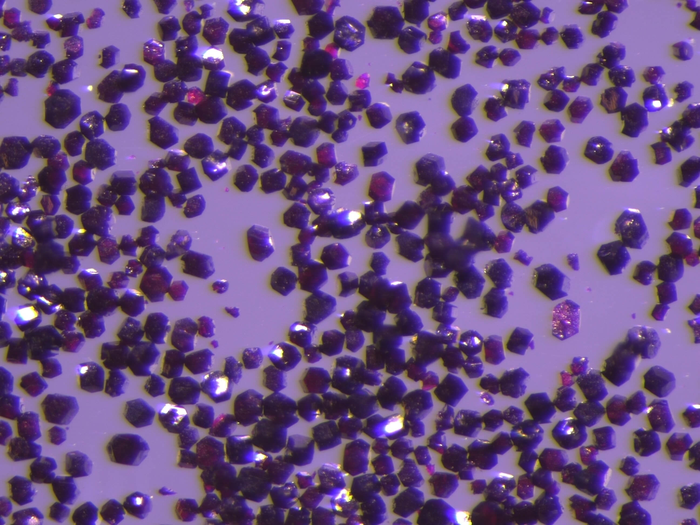
This material resembles Swiss cheese because it is full of holes and it is these holes that attract the benzene molecules, according to the researchers.
In terms of energy, because the capture process is based upon physical rather than chemical bonding, the energy footprint of capture and release is much lower than previous generations of materials.
Breakthrough in Air Purification Technology
“Breaking up gas mixtures is hard to do. This is especially true for the minor components that comprise air, which include carbon dioxide and water. The properties of our new material show that breaking up is no longer hard to do for benzene,” explained Professor Zaworotko.
Earlier work from Professor Zaworotko’s lab resulted in leading materials for carbon capture and water harvesting. The water harvesting material has such favorable properties for capturing and releasing water from the atmosphere that is already being used in dehumidification systems.
Dr. Xiang-Jing Kong explained: “Based on smart design, our materials do well in addressing challenges of both technical and social relevance, such as trace benzene removal from the air. This is hard for conventional materials, and thus highlights the charm of porous materials.”
Overall, these results suggest that a new generation of bespoke porous materials of the type invented at UL can enable a general approach to the capture of toxic chemicals from the air.
“Aromatic isomers are difficult to separate in their mixtures with traditional methods, which are always energy-intensive,” Dr. Xiang-Jing Kong explained.
“This research opened up possibilities to design porous materials for efficient separation of these chemicals with low energy input as well as the removal of other trace pollutants from the air.”
The study was funded by the European Research Council and Science Foundation Ireland.
Reference: “Trace removal of benzene vapour using double-walled metal–dipyrazolate frameworks” by Tao He, Xiang-Jing Kong, Zhen-Xing Bian, Yong-Zheng Zhang, Guang-Rui Si, Lin-Hua Xie, Xue-Qian Wu, Hongliang Huang, Ze Chang, Xian-He Bu, Michael J. Zaworotko, Zuo-Ren Nie, and Jian-Rong Li, 28 April 2022, Nature Materials.
DOI: 10.1038/s41563-022-01237-x
Never miss a breakthrough: Join the SciTechDaily newsletter.
Follow us on Google and Google News.