
Close Menu
    Facebook X (Twitter) Instagram
    SciTechDaily
    • Biology
    • Chemistry
    • Earth
    • Health
    • Physics
    • Science
    • Space
    • Technology
    Facebook X (Twitter) Pinterest YouTube RSS
    SciTechDaily
    Home»Health»Stanford Scientists Successfully Reverse Autism Symptoms in Mice
    Health

    Stanford Scientists Successfully Reverse Autism Symptoms in Mice

    By Stanford MedicineSeptember 1, 20251 Comment3 Mins Read
    Facebook Twitter Pinterest Telegram LinkedIn WhatsApp Email Reddit
    Share
    Facebook Twitter LinkedIn Pinterest Telegram Email Reddit
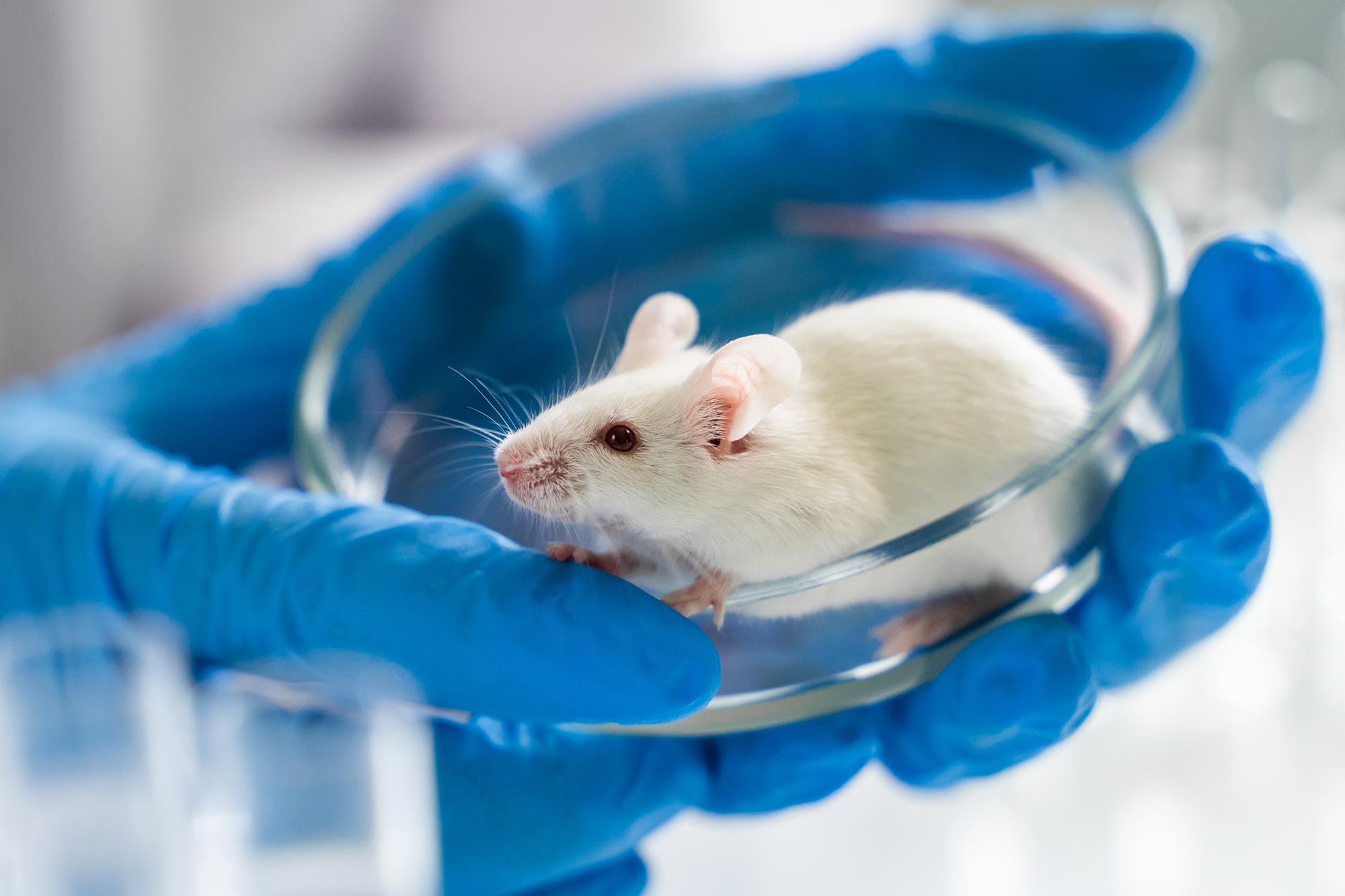
    Lab Mouse Petri Dish
    Stanford Medicine researchers have discovered that hyperactivity in a brain region known as the reticular thalamic nucleus may underlie behaviors associated with autism spectrum disorder. By dampening activity in this area using experimental drugs and neuromodulation techniques, they were able to reverse autism-like symptoms in mice, from seizures to social deficits. Credit: Shutterstock

    Overactivity in the reticular thalamic nucleus was shown to cause autism-like behaviors in mice. Drugs that reduce this activity reversed the symptoms.

    Researchers at Stanford Medicine studying the neurological basis of autism spectrum disorder have found that excessive activity in a particular brain region may be responsible for driving behaviors commonly linked to the condition.

    Using a mouse model of autism, the team identified the reticular thalamic nucleus, a structure that filters sensory information between the thalamus and cortex, as a promising treatment target.

    Importantly, they showed that administering drugs to dampen activity in this brain region reversed autism-like symptoms in the mice, including seizure susceptibility, heightened sensitivity to stimuli, increased motor activity, repetitive actions, and reduced social interaction.

    Shared pathways with epilepsy

    These same drugs are also under investigation as potential treatments for epilepsy, underscoring how the mechanisms that drive autism spectrum disorders and epilepsy may intersect in the brain and help explain why the two conditions often appear in the same individuals.

    The findings were recently published in Science Advances. The senior author of the study is John Huguenard, PhD, professor of neurology and neurological sciences. The lead author is Sung-Soo Jang, PhD, a postdoctoral scholar in neurology and neurological sciences.

    Overactivity in the reticular thalamic nucleus

    Connections between the thalamus and cortex have been linked to autism in both people and animal models, but the specific contribution of the reticular thalamic nucleus had remained uncertain.

    In the new study, the researchers recorded the neural activity of this brain region in mice while observing the animals’ behavior. In mice that had been genetically modified to model autism (Cntnap2 knockout mice), the reticular thalamic nucleus showed elevated activity when the animals encountered stimuli like light or an air puff as well as during social interactions. The brain region also showed bursts of spontaneous activity, causing seizures.

    Epilepsy is much more prevalent in people with autism than in the general population — 30% versus 1% — though the mechanisms are not well understood. Recognizing this connection, the researchers tested an experimental seizure drug, Z944, and found that it reversed behavioral deficits in the autism mouse model.

    With a different experimental treatment that genetically modifies neurons to respond to designer drugs, known as DREADD-based neuromodulation, the researchers could suppress overactivity in the reticular thalamic nucleus and reverse behavioral deficits in the autism mouse model. They could even induce these behavioral deficits in normal mice by ramping up activity in the reticular thalamic nucleus.

    The new findings highlight the reticular thalamic nucleus as a novel target for the treatment of autism spectrum disorders.

    Reference: “Reticular thalamic hyperexcitability drives autism spectrum disorder behaviors in the Cntnap2 model of autism” by Sung-Soo Jang, Fuga Takahashi and John R. Huguenard, 20 August 2025, Science Advances.
    DOI: 10.1126/sciadv.adw4682

    Never miss a breakthrough: Join the SciTechDaily newsletter.
    Follow us on Google and Google News.

    Autism Spectrum Disorder Epilepsy Hyperactivity Popular Seizure
    Share. Facebook Twitter Pinterest LinkedIn Email Reddit

    Related Articles

    Risk of Seizures Is Higher After COVID-19 Than After Influenza – Especially in Children

    Horrifying Discovery: Scientists Find That DNA Mutations Are More Common Than Previously Thought

    New Autism Marker Discovered in Kids: Could Lead to New Treatment for Autism and Epilepsy

    No Increased Risk of Autism Found Due to Maternal Flu Vaccination During Pregnancy

    Common Autistic Personality Test Unreliable, Psychologists Say

    New Way to Treat Hypersensitivity to Noise and Other Neurological Disorders

    CBD May Alleviate Seizures, Benefit People With Neurodevelopmental Conditions

    Genomic Analysis Reveals Roots of Neuropsychiatric Diseases

    Researchers Identify BAD as Key Seizure-Suppressing Protein

    1 Comment

    1. molly cruz on September 4, 2025 6:20 pm

      Sleep and autism should be studied. The few children I got a chance to study seemed to be dreaming. I learned from a pro that they don’t sleep well; and their detachment seems related to a lack of sleep and that they feel like we do when we dream. I suggested to her that she promote the idea of dosing them at night; and apparently they’ve started using sleep aids in treatment.

      Reply
    Leave A Reply Cancel Reply

    • Facebook
    • Twitter
    • Pinterest
    • YouTube

    Don't Miss a Discovery

    Subscribe for the Latest in Science & Tech!

    Trending News

    Scientists Discover Game-Changing New Way To Treat High Cholesterol

    This Small Change to Your Exercise Routine Could Be the Secret to Living Longer

    Scientists Discover 430,000-Year-Old Wooden Tools, Rewriting Human History

    AI Could Detect Early Signs of Alzheimer’s in Under a Minute – Far Before Traditional Tests

    What if Dark Matter Has Two Forms? Bold New Hypothesis Could Explain a Cosmic Mystery

    This Metal Melts in Your Hand – and Scientists Just Discovered Something Strange

    Beef vs. Chicken: Surprising Results From New Prediabetes Study

    Alzheimer’s Breakthrough: Scientists Discover Key Protein May Prevent Toxic Protein Clumps in the Brain

    Follow SciTechDaily
    • Facebook
    • Twitter
    • YouTube
    • Pinterest
    • Newsletter
    • RSS
    SciTech News
    • Biology News
    • Chemistry News
    • Earth News
    • Health News
    • Physics News
    • Science News
    • Space News
    • Technology News
    Recent Posts
    • Largest-Ever Study Finds Medicinal Cannabis Ineffective for Anxiety, Depression, PTSD
    • Scientists Reveal Why a Common Drug Causes Birth Defects and Autism
    • A Medieval Japanese Diary Just Helped Scientists Detect a Dangerous Solar Event
    • Humans Returned to Britain 500 Years Earlier Than Scientists Thought
    • 250-Million-Year-Old Egg Solves One of Evolution’s Biggest Mysteries
    Copyright © 1998 - 2026 SciTechDaily. All Rights Reserved.
    • Science News
    • About
    • Contact
    • Editorial Board
    • Privacy Policy
    • Terms of Use

    Type above and press Enter to search. Press Esc to cancel.