
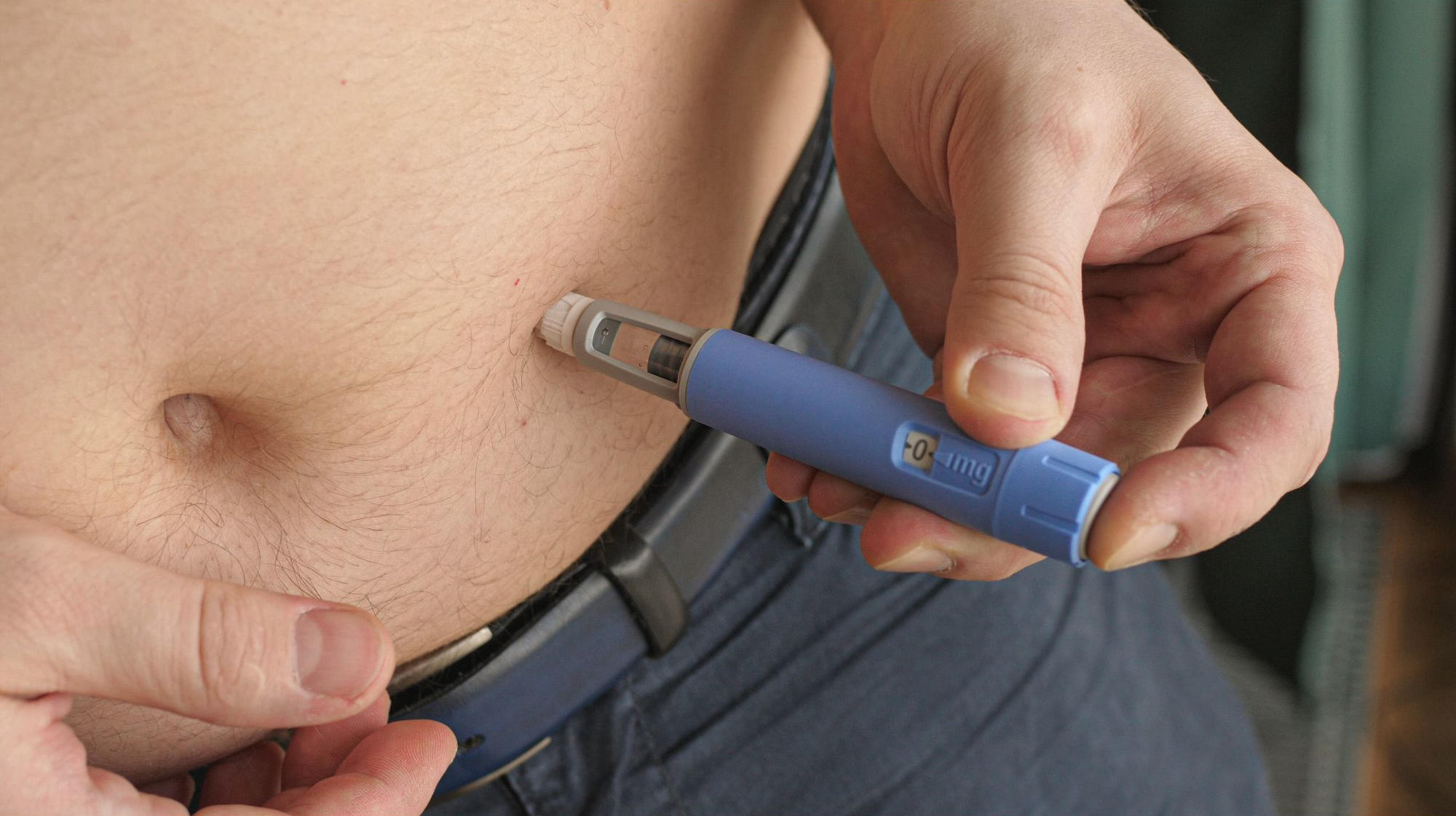
Weight loss drugs have shown impressive short-term results, but new research suggests their benefits may be difficult to sustain once treatment ends.
Stopping treatment with weight loss medications is associated with gradual weight gain and a loss of earlier improvements in heart and metabolic health, according to new research published by The BMJ. The study reports that markers such as high cholesterol and elevated blood pressure tend to worsen again after medication use ends.
On average, people regained about 0.4 kg per month, which is roughly 0.9 pounds per month, after stopping treatment. Based on these patterns, both body weight and indicators linked to diabetes and heart disease were expected to return to levels seen before treatment within less than two years.
The analysis also found that weight regain occurred much more quickly after stopping weight loss drugs than after ending diet and physical activity interventions. In fact, the pace of regain was nearly four times faster, regardless of how much weight individuals had initially lost while on medication.
“This evidence suggests that despite their success in achieving initial weight loss, these drugs alone may not be sufficient for long term weight control,” say the researchers.
The Rise and Limits of Weight Loss Medications
Powerful new weight management drugs, including glucagon-like peptide-1 (GLP-1) receptor agonists such as semaglutide and tirzepatide, have significantly changed how obesity is treated.
However, estimates suggest that about half of people with obesity stop using GLP-1 medications within a year. This makes it critical to understand how body weight and health risks related to diabetes and heart disease change once treatment is discontinued.
To explore this issue, researchers from the University of Oxford reviewed trial registries and scientific databases to identify clinical trials and observational studies. These studies compared approved weight loss medications in adults with non-drug approaches such as behavioral weight management programs or a placebo.
Although the studies differed in design and overall quality, the research team evaluated their risk of bias using well-established assessment methods.
Key Findings on Weight Regain and Health Risks
The final analysis included 37 studies published up to February 2025, covering a total of 9,341 participants. On average, individuals used weight loss treatments for 39 weeks and were followed for an additional 32 weeks after treatment ended.
After stopping medication, participants regained about 0.4 kg or nearly 0.9 pounds per month and were projected to reach their original body weight within about 1.7 years. Measures of cardiometabolic health were expected to return to pre-treatment levels even sooner, within approximately 1.4 years of stopping the drugs.
Monthly weight regain was also faster after weight loss drugs than after behavioral weight management programs (by 0.3 kg), independent of initial weight loss.
The authors acknowledge several limitations. For example, only eight studies assessed treatment with the newer GLP-1 drugs, and the maximum follow-up period in these studies was 12 months after medication stopped. What’s more, few studies were at low risk of bias.
Nevertheless, they point out that they used three methods of analysis and all provided similar results, adding certainty to their findings.
Implications for Long-Term Weight Management
As such, they conclude: “This evidence cautions against short-term use of weight management medications, emphasizes the need for further research into cost-effective strategies for long term weight control, and reinforces the importance of primary prevention.”
“The study findings cast doubt on the notion that GLP-1 receptor agonists are a perfect cure for obesity,” says a US researcher in a linked editorial.
“People taking GLP-1 receptor agonists should be aware of the high discontinuation rate and the consequences of cessation of medications,” he writes. “Healthy dietary and lifestyle practices should remain the foundation for obesity treatment and management, with medications such as GLP-1 receptor agonists used as adjuncts.”
“Such practices not only help prevent excess weight gain but can also lead to numerous health benefits that go beyond weight control,” he concludes.
Reference: “Weight regain after cessation of medication for weight management: systematic review and meta-analysis” by Sam West, Jadine Scragg, Paul Aveyard, Jason L Oke, Lia Willis, Stella J P Haffner, Heather Knight, Danni Wang, Sarah Morrow, Laura Heath, Susan A Jebb and Dimitrios A Koutoukidis, 7 January 2026, BMJ.
DOI: 10.1136/bmj-2025-085304
Funding: National Institute of Health and Care Research (NIHR) Oxford Biomedical Research Centre
Never miss a breakthrough: Join the SciTechDaily newsletter.
Follow us on Google and Google News.
1 Comment
How can they pretend this is a big surprise? It was known from the beginning that these drugs work by making your brain feel less like you are starving. There was never any real reason to think that your system would somehow figure out how to make the satiety chemicals that your inability to produce enough of caused you to gain weight. If they are safe enough to take long term, the goal of being able to stop using them sounds a little like telling a type one diabetic that their goal should be to slowly wean themselves off insulin. As with all medical treatment, one must weigh the alternatives, and choose the best. Who would suggest stopping insulin?
Actually, I am aware that there are people who claim faith in Jesus can cure anything, but they should be telling people to wait until after a cure is confirmed before stopping life sustaining treatment.