
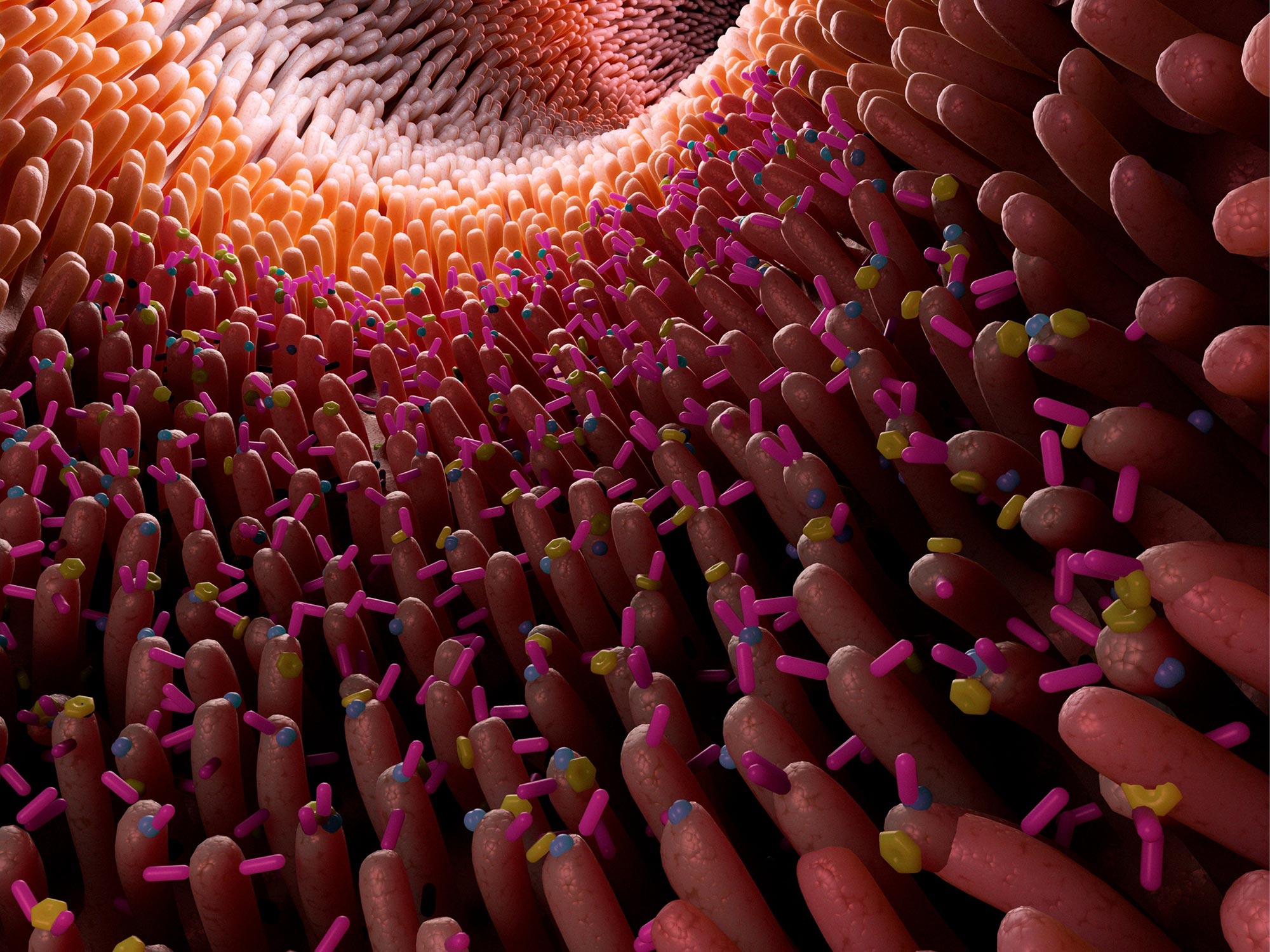
According to the scientists, a disrupted microbiome during critical developmental periods in mice can lead to persistent aggressive behaviors later in life.
A new study led by Prof. Omry Koren and graduate student Atara Uzan-Yuzari from the Azrieli Faculty of Medicine at Bar-Ilan University has unveiled significant evidence connecting the gut microbiome to aggressive behavior in mice.
Published in the journal Brain, Behavior, and Immunity, the research explores how disruptions in the microbiome, particularly due to antibiotic use in early life, can lead to increased aggression.
The study builds on previous findings that demonstrated a correlation between antibiotic exposure and heightened aggression in fruit flies. By utilizing a mouse model, the researchers have taken this investigation a step further, examining behavioral, biochemical, and neurological changes in response to microbiome alterations.
The team also transplanted a microbiome-derived from infants who had received antibiotics shortly after birth into mice, observing notable increases in aggression compared to those receiving a microbiome from infants not exposed to antibiotics.
Key Findings on Aggression and Gut Microbiome Disruptions
“Our findings are revolutionary,” said Prof. Koren. “They suggest that a disrupted microbiome during critical developmental periods can lead to persistent aggressive behaviors later in life.”
To assess aggression, the research team employed the resident-intruder paradigm, where a foreign mouse is introduced into the home cage of a resident mouse. The results indicated a clear link between reduced diversity in gut bacteria—caused by antibiotic treatment—and increased aggression. Additionally, significant changes in metabolites and gene expression related to aggression were observed in the brains of the mice.
The study is particularly noteworthy for its use of “humanized” mice, which have been implanted with human intestinal bacteria. This approach enhances the relevance of the findings to human health and behavior, providing insights into how early-life antibiotic exposure can shape future social behaviors.
The research also explores the biochemical mechanisms underlying these behavioral changes, measuring neurotransmitter levels such as serotonin and tryptophan in the brains of the mice. The team identified key patterns of gene expression in several brain regions, highlighting the septum as a crucial area in regulating aggression.
The findings of this study suggest that the gut-brain axis plays a critical role in the development of aggression, particularly when the microbiome is disrupted during crucial developmental periods, such as infancy. This opens up new avenues for understanding how early-life interventions could influence long-term behavioral outcomes and for developing strategies to mitigate these effects and improve social behavior outcomes.
Reference: “A gut reaction? The role of the microbiome in aggression” by Atara Uzan-Yulzari, Sondra Turjeman, Lelyan Moadi, Dmitriy Getselter, Efrat Sharon, Samuli Rautava, Erika Isolauri, Soliman Khatib, Evan Elliott and Omry Koren, 10 August 2024, Brain, Behavior, and Immunity.
DOI: 10.1016/j.bbi.2024.08.011
This study was funded by a European Research Council (ERC) Consolidator Grant.
Never miss a breakthrough: Join the SciTechDaily newsletter.
Follow us on Google and Google News.
1 Comment
Well, what do you know.
Give it a decade and they’ll finally admit that vaccines can indeed cause autism.
The principle is the same. Put enough potent foreign elements into a fragile, developing neurolymbic system, and all kinds of adverse effects are possible.