
Close Menu
    Facebook X (Twitter) Instagram
    SciTechDaily
    • Biology
    • Chemistry
    • Earth
    • Health
    • Physics
    • Science
    • Space
    • Technology
    Facebook X (Twitter) Pinterest YouTube RSS
    SciTechDaily
    Home»Biology»Study Shows Tiny DNA Modification Has Big Impact on Tumors
    Biology

    Study Shows Tiny DNA Modification Has Big Impact on Tumors

    By Bill Hathaway, Yale UniversityNovember 2, 20181 Comment2 Mins Read
    Facebook Twitter Pinterest Telegram LinkedIn WhatsApp Email Reddit
    Share
    Facebook Twitter LinkedIn Pinterest Telegram Email Reddit

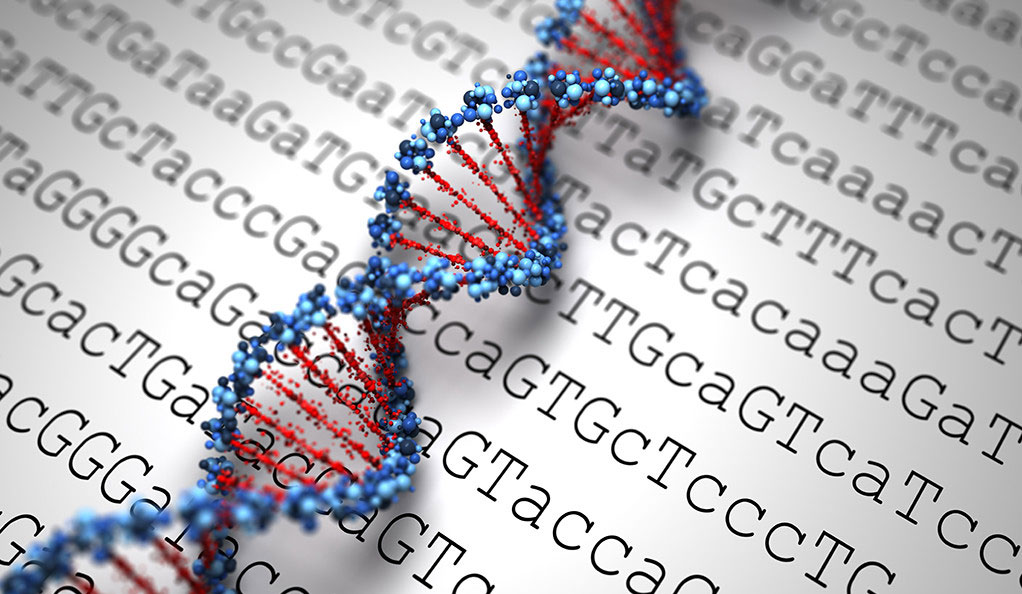
    Tiny DNA Modification Has Big Impact on Tumors

    A simple modification of a DNA base in small areas of the genome may explain why glioblastoma tumors are so deadly, researchers at Yale and the University of California-San Diego report on November 1 in the journal Cell.

    Glioblastomas are particularly virulent brain tumors, with survival rates of only about three to six months. A major culprit is the existence of a group of special tumor cells that are highly resistant to standard therapies. The modification of the A base in DNA, one of four genetic letters which form the structural backbone of DNA, was found in large numbers in glioblastoma tumors, especially tumor stem cells, researchers report. They also found the modification affects the growth of human gliomas engrafted into mice brains.

    This base modification was seen in the earliest stage in embryo development and appears crucial to the development of the fetus, but disappears later in adult life, the researchers note.

    “But in the case of glioblastomas, cancer appears to hijack this mechanism,” said Andrew Xiao, associate professor of genetics at the Yale Stem Cell Center, a researcher with the Yale Cancer Center and co-corresponding author of the paper along with Jeremy Rich at Moores Cancer Center at UC-San Diego Health.

    The several-hundredfold increase of modified A base in tumors — barely detectable in normal brain tissues — means the base may make an attractive target for new drug therapies, Xiao said.

    The modification may also be found in other tumors as well and may suggest new ways to treat now-incurable brain tumors, he said.

    Tao P. Wu of Yale, now at Baylor College of Medicine, is a co-first author of the study.

    The work was primarily funded by NIH grants to Xiao’s and Rich’s labs and also an award from Ludwig Family Foundation to Xiao’s lab.

    Reference: “N6-methyladenine DNA Modification in Glioblastoma” by Qi Xie, Tao P. Wu, Ryan C. Gimple, Zheng Li, Briana C. Prager, Qiulian Wu, Yang Yu, Pengcheng Wang, Yinsheng Wang, David U. Gorkin, Cheng Zhang, Alexis V. Dowiak, Kaixuan Lin, Chun Zeng, Yinghui Sui, Leo J.Y. Kim, Tyler E. Miller, Li Jiang, Christine H. Lee, Zhi Huang, Xiaoguang Fang, Kui Zhai, Stephen C. Mack, Maike Sander, Shideng Bao, Amber E. Kerstetter-Fogle, Andrew E. Sloan, Andrew Z. Xiao and Jeremy N. Rich, 1 November 2018, Cell.
    DOI: 10.1016/j.cell.2018.10.006

    Never miss a breakthrough: Join the SciTechDaily newsletter.
    Follow us on Google and Google News.

    Cancer DNA Genetics Medicine Yale University
    Share. Facebook Twitter Pinterest LinkedIn Email Reddit

    Related Articles

    Newly Developed Technique Predicts Resistance Paths to Cancer Treatment

    DNA2 Molecule Helps Repair Chromosome Rearrangements Linked to Cancer

    Yale Research Provides New Clues to How Cancer Cells Spread

    New Epigenetic Algorithm Accurately Predicts Male Sexual Orientation

    Yale Develops a Faster and Less Expensive Way to Analyze Gene Activity

    New Genome Analysis Reveals Dozens of Cancer Triggers

    The Most Comprehensive Catalog of Human Genome Variations

    Cdt1 Protein Has a Role in DNA Replication and Mitosis

    Researchers Study Regulatory Gene’s Role in Sperm Quality Control

    1 Comment

    1. Madanagopal.V.C. on November 2, 2018 11:34 am

      Tumor suppressing genes are always there in DNA .Otherewise human fingerwebs and tail in thr embryo may not be suppressed. These genes are just modification architecture for animal morphplogy. Only if they are not sufficiently present or corrupt by radiation do we get cancer. Madanahopal.

      Reply
    Leave A Reply Cancel Reply

    • Facebook
    • Twitter
    • Pinterest
    • YouTube

    Don't Miss a Discovery

    Subscribe for the Latest in Science & Tech!

    Trending News

    Even Occasional Binge Drinking May Triple Liver Damage Risk

    Liftoff! NASA’s Artemis II Launch Sends Astronauts Around the Moon for First Time in 50 Years

    Scientists Discover New Way To Eliminate “Zombie Cells” Driving Aging

    This New Quantum Theory Could Change Everything We Know About the Big Bang

    This One Vitamin May Help Protect Your Brain From Dementia Years Later

    Stopping Weight-Loss Drugs Like Ozempic Can Quickly Erase Heart Benefits

    A 500-Million-Year-Old Surprise Is Forcing Scientists to Rethink Spider Evolution

    Coffee and Blood Pressure: What You Need To Know Before Your Next Cup

    Follow SciTechDaily
    • Facebook
    • Twitter
    • YouTube
    • Pinterest
    • Newsletter
    • RSS
    SciTech News
    • Biology News
    • Chemistry News
    • Earth News
    • Health News
    • Physics News
    • Science News
    • Space News
    • Technology News
    Recent Posts
    • Tiny 436-Million-Year-Old Fish Fossil Rewrites the Origins of Vertebrates
    • 1,800 Miles Down: Scientists Uncover Mysterious Movements at the Edge of Earth’s Core
    • Scientists Uncover Earth’s Hidden “Gold Kitchen” Beneath the Ocean Floor
    • You Don’t Need To Be Rich: New Study Reveals a Simple Life Is the Real Secret to Happiness
    • “Crazy Dice” Help Scientists Prove Only One 150-Year-Old Theory About Randomness Works
    Copyright © 1998 - 2026 SciTechDaily. All Rights Reserved.
    • Science News
    • About
    • Contact
    • Editorial Board
    • Privacy Policy
    • Terms of Use

    Type above and press Enter to search. Press Esc to cancel.