
Close Menu
    Facebook X (Twitter) Instagram
    SciTechDaily
    • Biology
    • Chemistry
    • Earth
    • Health
    • Physics
    • Science
    • Space
    • Technology
    Facebook X (Twitter) Pinterest YouTube RSS
    SciTechDaily
    Home»Space»Superoxides for Oxygen Farming on the Moon and Mars
    Space

    Superoxides for Oxygen Farming on the Moon and Mars

    By European Space Agency (ESA)March 7, 2022No Comments6 Mins Read
    Facebook Twitter Pinterest Telegram LinkedIn WhatsApp Email Reddit
    Share
    Facebook Twitter LinkedIn Pinterest Telegram Email Reddit
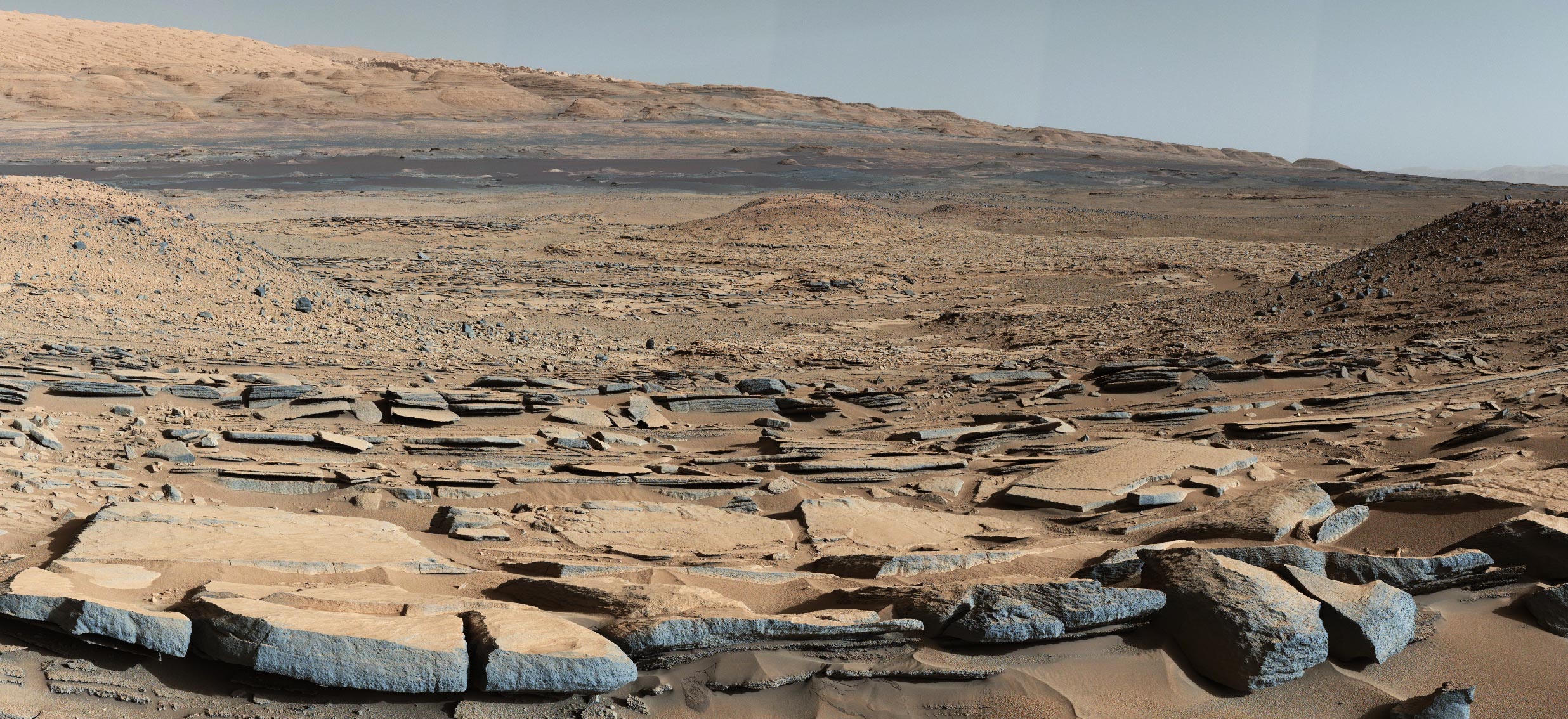
    Martian Landscape Kimberly Formation
    A view from the “Kimberley” formation on Mars taken by NASA’s Curiosity rover. The strata in the foreground dip towards the base of Mount Sharp, indicating flow of water toward a basin that existed before the larger bulk of the mountain formed. Credit: NASA/JPL-Caltech/MSSS

    The dusty faces of the Moon and Mars conceal unseen hazards for future explorers. Areas of highly oxidizing material could be sufficiently reactive that they would produce chemical burns on astronauts’ unprotected skin or lungs. Taking inspiration from a pioneering search for Martian life, a Greek team is developing a device to detect these ‘reactive oxygen species’ – as well as harvest sufficient oxygen from them to keep astronauts breathing indefinitely.

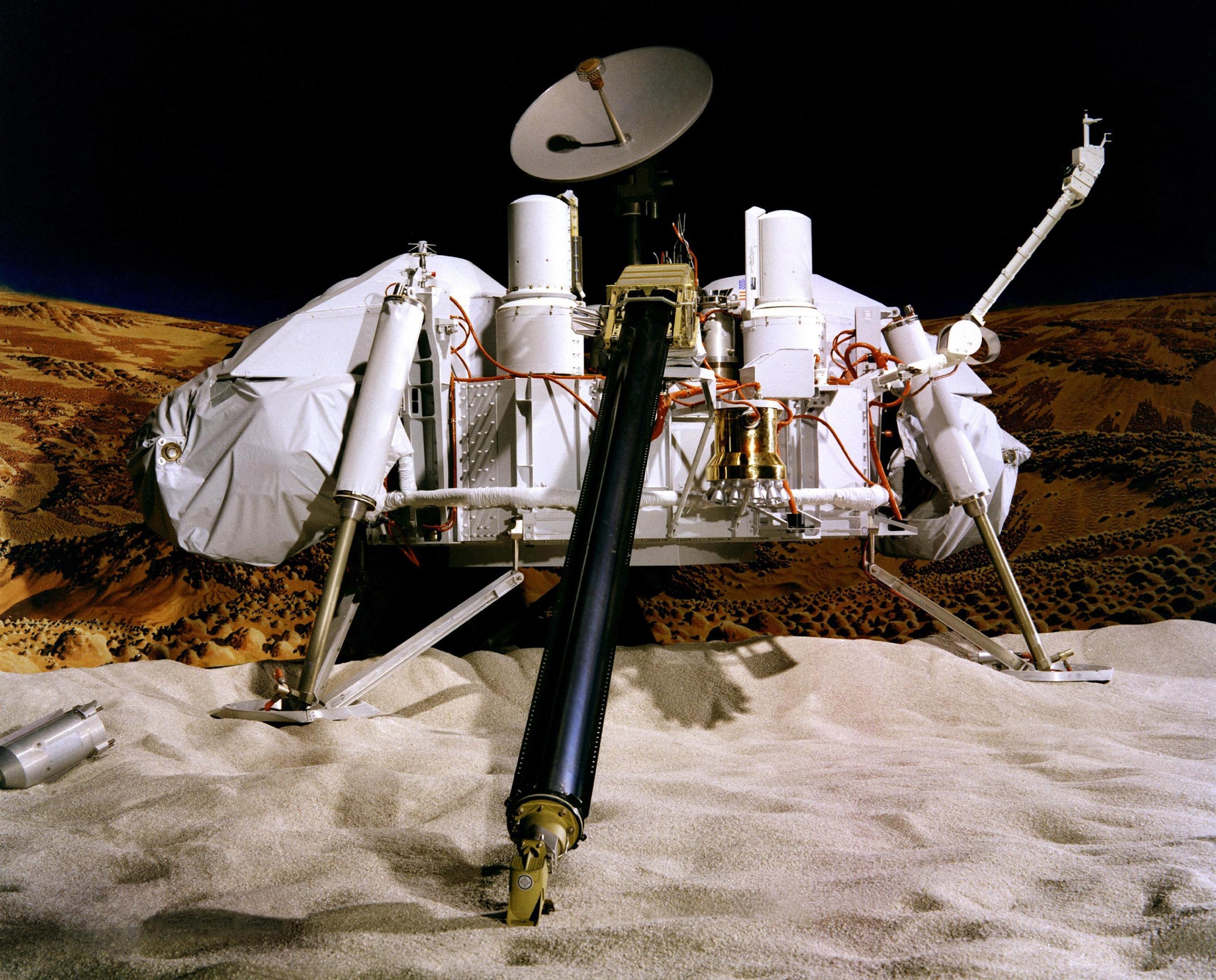
    The US Viking landers that touched down on Mars in 1976 carried experiments looking for Martian life whose results are still debated more than four decades later.

    Viking’s ‘Labeled Release’ experiment applied micro-nutrient liquid to a Martian soil sample, which released copious amounts of oxygen in response. Some authorities interpreted this result as evidence of microbial life on Mars – except that even after the sample was sterilized with 160°C heat this oxygen production continued. Meanwhile, other Viking experiments found no traces of organic chemicals.
    Viking Lander Model
    Viking Lander model. Credit: NASA/JPL-Caltech/University of Arizona

    “The leading interpretation today is that the results were due to an abiotic chemical reaction,” notes Prof. Elias Chatzitheodoridis of the Geological Sciences Department of the National Technical University of Athens.

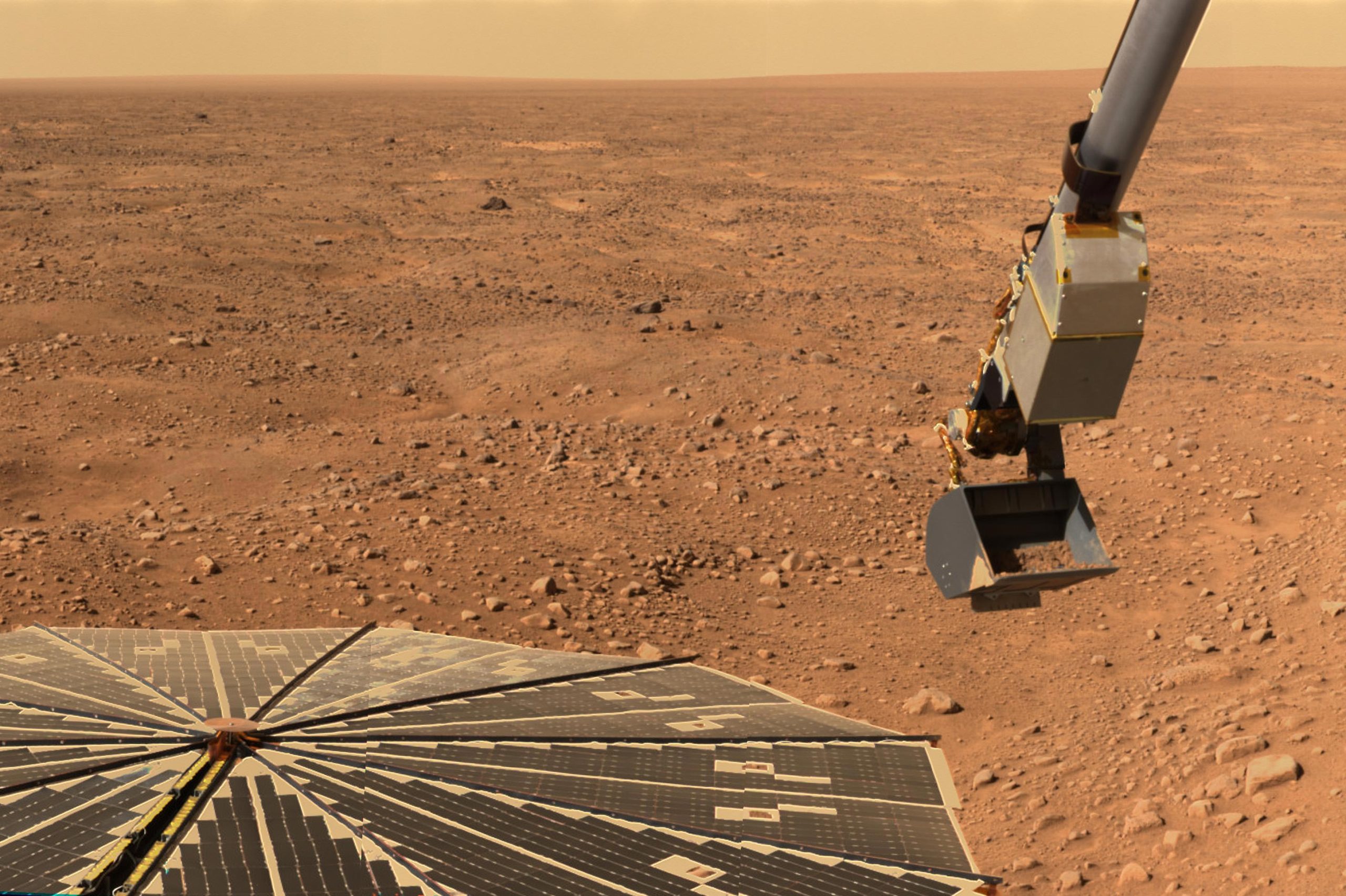
    “The oxygen production was caused by a reactive oxygen species reacting with water in the nutrient liquid,” notes Prof. Christos Georgiou of the Biology Department at the University of Patras. “Such reactive species may originate from metal salts of superoxides, peroxides, or perchlorates – the latter of which was indeed detected by NASA’s Mars Phoenix lander in the Martian Arctic in 2008.

    Mars Phoenix Lander
    NASA’s Mars Phoenix lander detected perchlorate salts in the Martian Arctic in 2008. Credit: NASA

    “Charting such highly reactive species will be important for Martian and lunar settlers, not only because their presence will be inimical to human settlement and crop growth but also because they will erase any trace of possible Martian bio-fossils, so these areas can be ruled out of the search for life on Mars.”

    The Biology Department of the University of Patras has already performed soil experiments on the generation of reactive oxygen species in soil samples from the arid, Mars-like Mojave and Atacama Deserts, as well as from perchlorate salts exposed to radiation.

    “These reactive oxygen species are created by intense ultraviolet irradiation of the surface, especially of fractured minerals broken up by temperature extremes and micrometeorites, resulting in a surface with a lot of free chemical bonds,’ explains Prof. Georgiou.
    Phoenix Found Perchlorate Salts on Mars
    Phoenix found perchlorate salts on Mars. Credit: ESA

    The combined university teams realized that the Viking liquid micro-nutrient experiment would be a workable model for a detector of these reactive oxygen species. Soil samples would be placed in a microfluidic device, producing detectable oxygen through wetting with water plus the action of catalysts. They proposed the idea to ESA through the Open Space Innovation Platform, seeking out promising ideas for research and development.
    Mars Australe Lava Plain on Moon
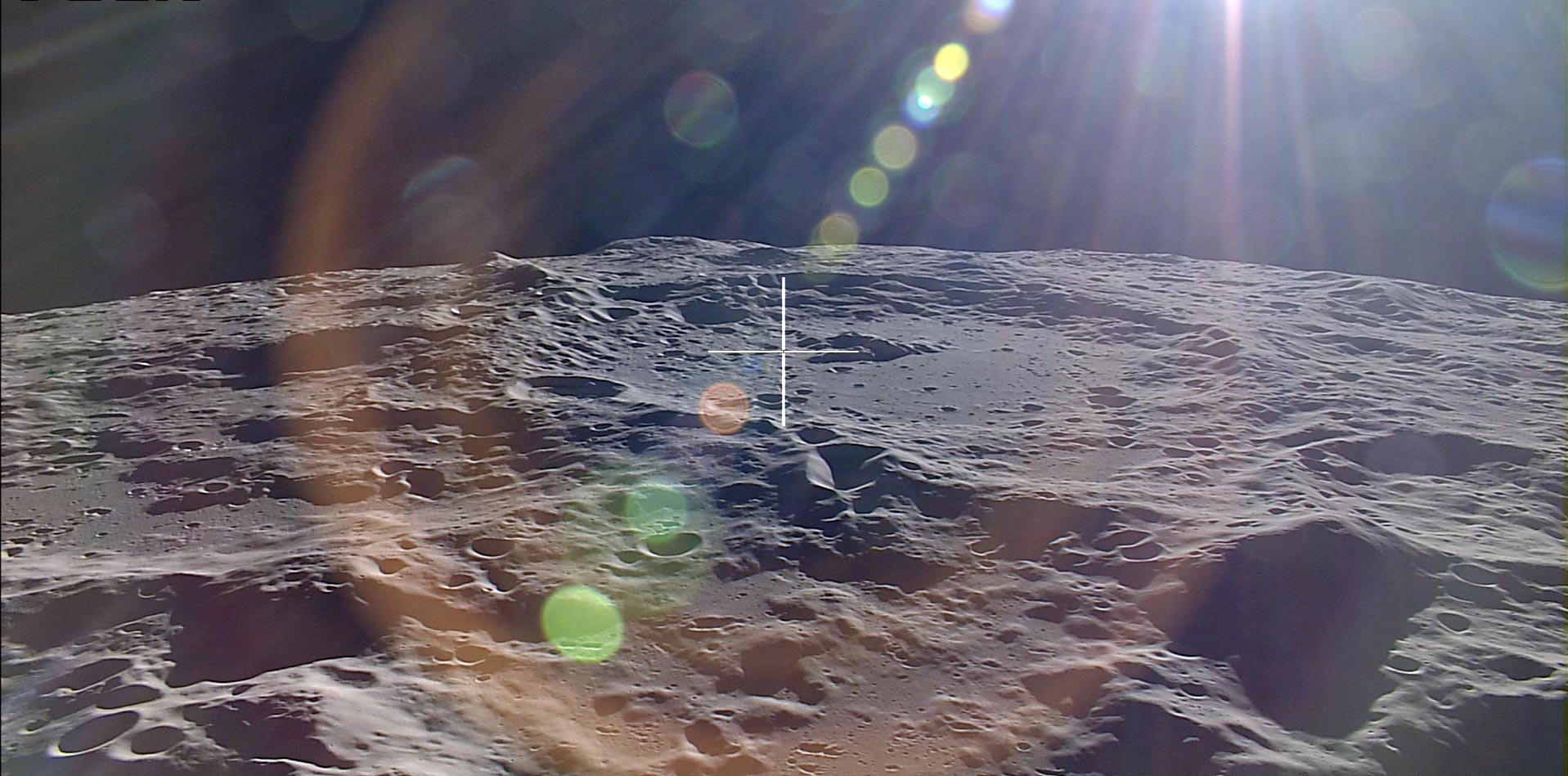
    Reactive oxygen species are also found on the Moon. Credit: JAXA/NHK

    “The exciting aspect is that this technique can be used for more than just superoxide detection,” explains ESA materials and processes engineer Malgorzata Holynska.

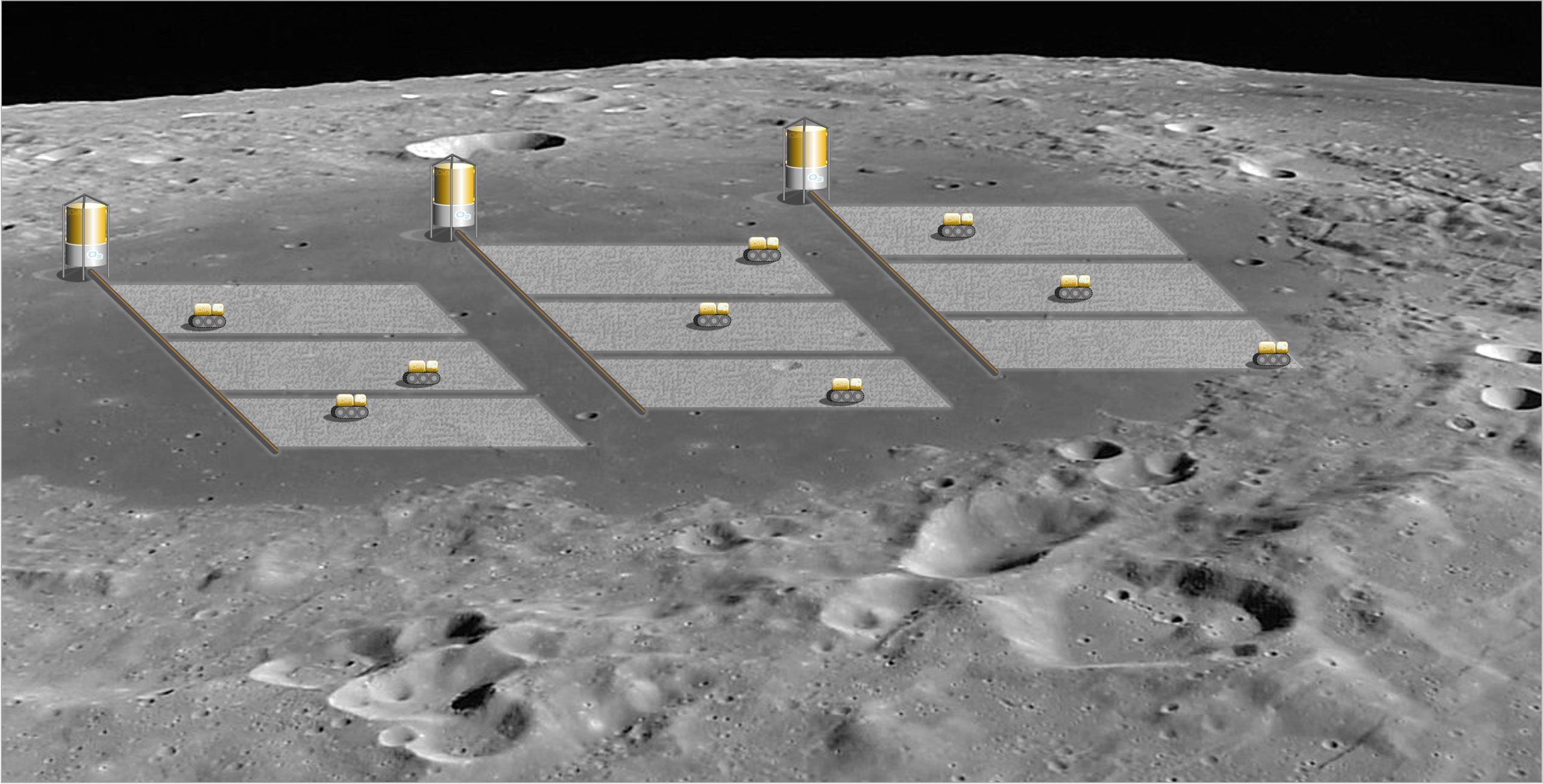
    “The project, supported through ESA’s Technology Development Element, will include the initial design of a large scale reactor device to periodically extract oxygen from soil, what we term ‘oxygen farming’. Solar UV irradiation will then replenish their oxygen supply within a matter of hours. The estimate is that a 1.2-hectare (3-acre) area would yield enough oxygen to keep a single astronaut alive.”
    Oxygen Farming
    Oxygen farming: ESA’s reactive oxygen species detection project, supported through ESA’s Technology Development Element, will include the initial design of a large scale reactor device to periodically extract oxygen from soil, termed ‘oxygen farming’. Solar UV irradiation will then replenish their oxygen supply within a matter of hours. The estimate is that a 1.2-hectare (3-acre) area would yield enough oxygen to keep a single astronaut alive. Credit: National Technical University of Athens / University of Patras

    “Commercially available Moon and Mars regolith, chemically altered by contact with Earth’s oxygen-rich atmosphere, is not suitable for testing, says Prof. Chatzitheodoridis. “Accordingly the project team is looking into creating their own simulants in controlled environments. We will additionally use lunar and Martian meteorites to test the instrument, but also plan to apply to NASA for actual lunar samples for testing.”

    “The aim is that the prospecting detector should be smaller than a paperback book”, says Dr. Ioannis Markopoulos, heading the 01 Mechatronics company, planning to produce a prototype detector. “It is likely that astronauts would find it useful across the entire span of any mission to the Moon and Mars.”
    Reactive Oxygen Species Detector Concept
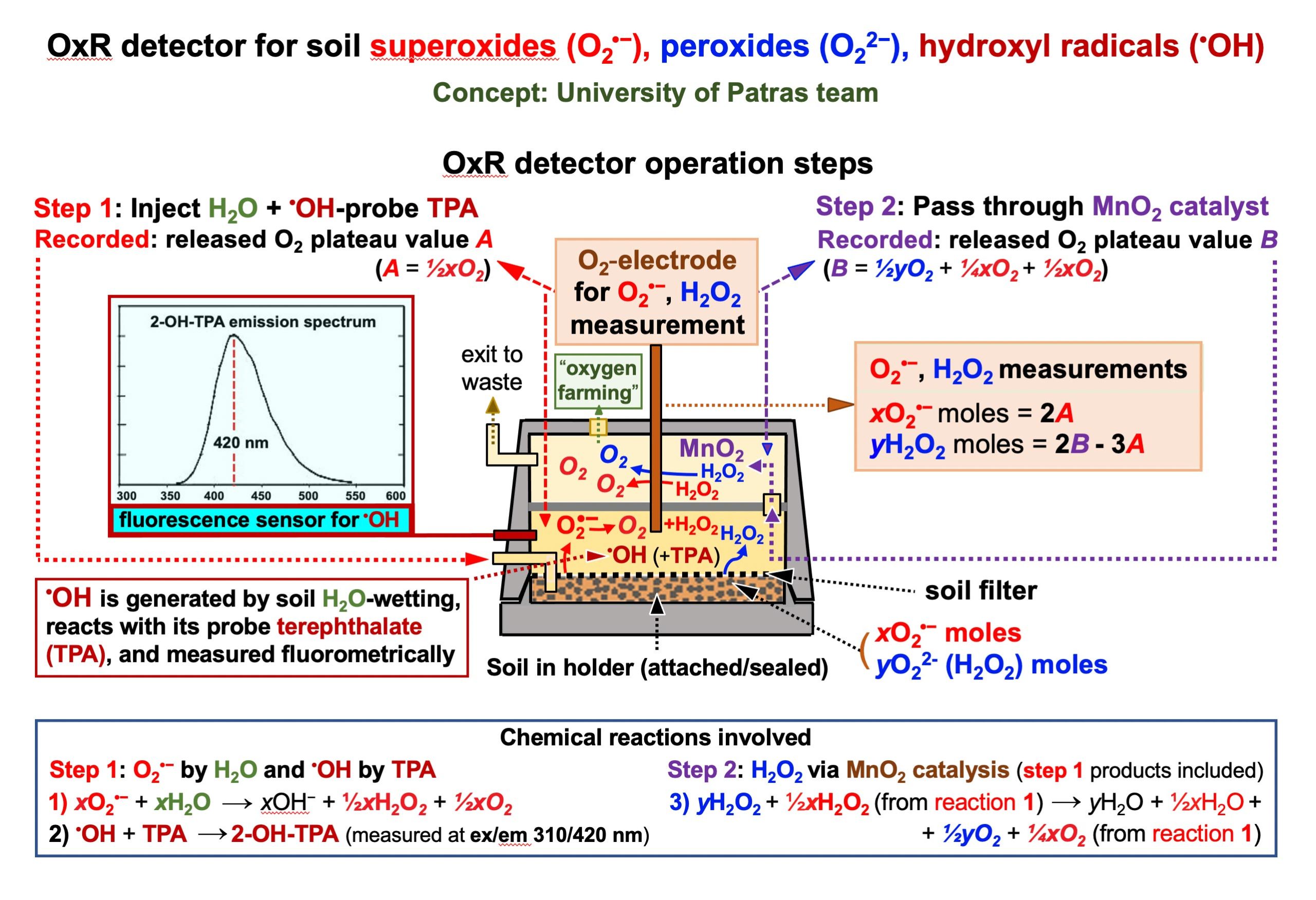
    H2O-wetting of soil samples by the detector, causes dissolution of metal superoxides (O2•-) and peroxides (O22-, converted toH2O2 after hydrolysis) and release of O2 in sequential steps 1 and 2 (“oxygen farming” concept). OxR detector’s O2-electrode records the respective plateau reaching released O2 values A and B (corresponding to the released O2 moles, shown in red and blue bold italics to designate their origin from respective reactions 1 and 3). Values A and B are converted to yH2O2 and xO2•- moles by insertion to math equations derived from the stoichiometries of reactions 1 and 3. Hydroxyl radicals (•OH), which are generated upon soil H2O-wetting, are measured by the fluorescence of 2-OH-TPA (at ex/em 310/420 nm), the product of •OH specific reaction with its non-fluorescent trap terephthalate (TPA). Credit: National Technical University of Athens / University of Patras

    “Reactive oxygen species are produced in our own bodies, hence our bodies produce antioxidants in response,” adds Prof. Georgiou. “They can also be produced through radiation-exposed arid terrestrial soils and during mining activities. In space they will be produced by cosmic radiation interacting with metal surfaces, such as on water and food tanks, and the cabin oxygen, so such a detector will certainly be useful to monitor the spacecraft environment.”

    Dr. Markopoulos adds: “We certainly see the potential for a terrestrial spin-off as well; with these harmful reactive oxygen species widespread on Earth, the potential is there for a very good tool for commercialization.”

    Never miss a breakthrough: Join the SciTechDaily newsletter.
    Follow us on Google and Google News.

    European Space Agency Mars Moon Oxygen
    Share. Facebook Twitter Pinterest LinkedIn Email Reddit

    Related Articles

    Fear, Panic and Excitement: A Close Encounter With a Mysterious Moon

    Team Chosen To Extract Oxygen From the Surface of the Moon

    Asteroids, the Moon and Mars: Spectacular Space Missions To Look Forward to in 2022

    Weather Satellite Captures Image of “Blue” Moon

    Images From ESA’s Mars Express Reveals the Features of Ladon Basin

    Phobos May Provide Evidence of Life on Mars

    Researchers Discover Oxygen Molecules in Dione’s Exosphere

    ESA’s Mars Express MARSIS Radar Explores Martian Oceans

    Russian Mars Moon Probe Phobos-Grunt Crashed In Pacific Ocean

    Leave A Reply Cancel Reply

    • Facebook
    • Twitter
    • Pinterest
    • YouTube

    Don't Miss a Discovery

    Subscribe for the Latest in Science & Tech!

    Trending News

    Largest-Ever Study Finds Medicinal Cannabis Ineffective for Anxiety, Depression, PTSD

    250-Million-Year-Old Egg Solves One of Evolution’s Biggest Mysteries

    Living With Roommates Might Be Changing Your Gut Microbiome Without You Knowing

    Century-Old Cleaning Chemical Linked to 500% Increased Risk of Parkinson’s Disease

    What if Your Memories Never Happened? Physicists Take a New Look at the Boltzmann Brain Paradox

    One of the Universe’s Largest Stars May Be Getting Ready To Explode

    Scientists Discover Enzyme That Could Supercharge Ozempic-Like Weight Loss Drugs

    Popular Sweetener Linked to DNA Damage – “It’s Something You Should Not Be Eating”

    Follow SciTechDaily
    • Facebook
    • Twitter
    • YouTube
    • Pinterest
    • Newsletter
    • RSS
    SciTech News
    • Biology News
    • Chemistry News
    • Earth News
    • Health News
    • Physics News
    • Science News
    • Space News
    • Technology News
    Recent Posts
    • AI Reveals Explosive Growth of Floating Algae Across the World’s Oceans
    • 5.5 Million Bees Discovered Living Beneath a New York Cemetery
    • Scientists Reverse Brain Aging With Simple Nasal Spray
    • The Surprising Diet Rule That Makes “Good” Parasites Work
    • This Simple Blood Test Could Outperform “Bad Cholesterol” in Preventing Heart Disease
    Copyright © 1998 - 2026 SciTechDaily. All Rights Reserved.
    • Science News
    • About
    • Contact
    • Editorial Board
    • Privacy Policy
    • Terms of Use

    Type above and press Enter to search. Press Esc to cancel.