
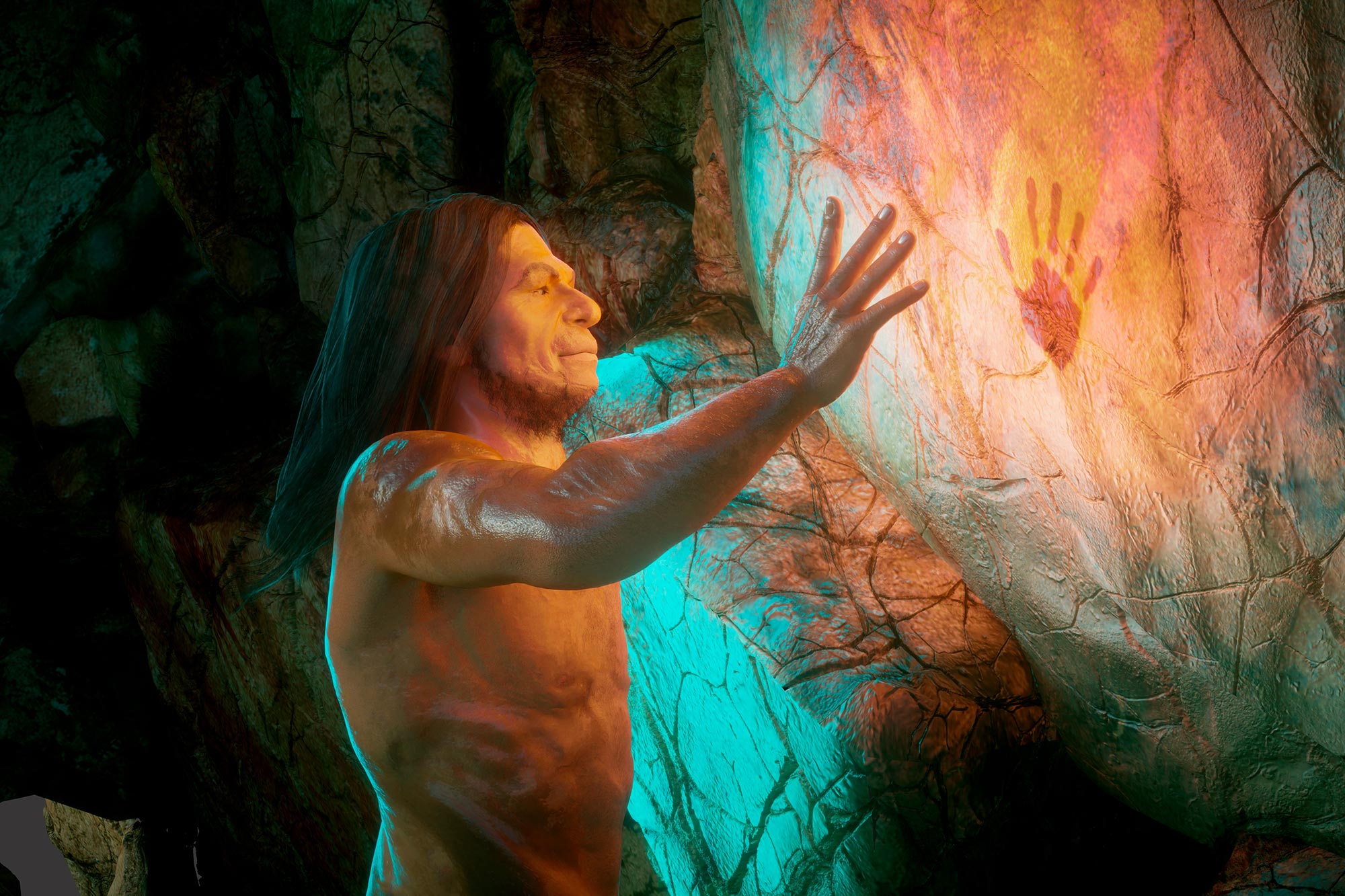
Frequent burn exposure may have driven human genetic adaptations that improve healing but worsen severe injury outcomes.
Humans may have been shaped in part by an unexpected force: repeated exposure to high-temperature burn injuries. New research suggests this long history has influenced how the body repairs damage, responds to infection, and reacts under severe trauma.
For over a million years, the ability to control fire has been central to human progress. It enabled cooking, warmth, and later technological development, helping drive both cultural and genetic change that distinguishes humans from other species. At the same time, this close relationship with fire introduced a unique and persistent risk of high-temperature injuries.
Humans experience burns, and survive them, far more often than other animals. While most species instinctively avoid fire, humans have integrated it into daily life. As a result, minor burns are a common experience for most people.
A study published in BioEssays, led by researchers at Imperial College London, proposes that this repeated exposure to burns may have shaped human evolution. The findings suggest that humans developed genetic traits that differ from other primates and mammals, influencing how the body handles both mild and severe burn injuries.
Evolution favored survival after burns
Burn injuries vary widely in severity. Small burns often heal without intervention, while larger ones can lead to lasting disability or death. Because burns damage the skin, which acts as the body’s primary defense against infection, prolonged injury increases the risk of harmful bacteria entering the body.
The researchers propose that natural selection favored biological traits that improved survival after frequent, smaller burns. These traits likely include faster inflammatory responses, quicker wound closure (to prevent infection), and heightened pain sensitivity.
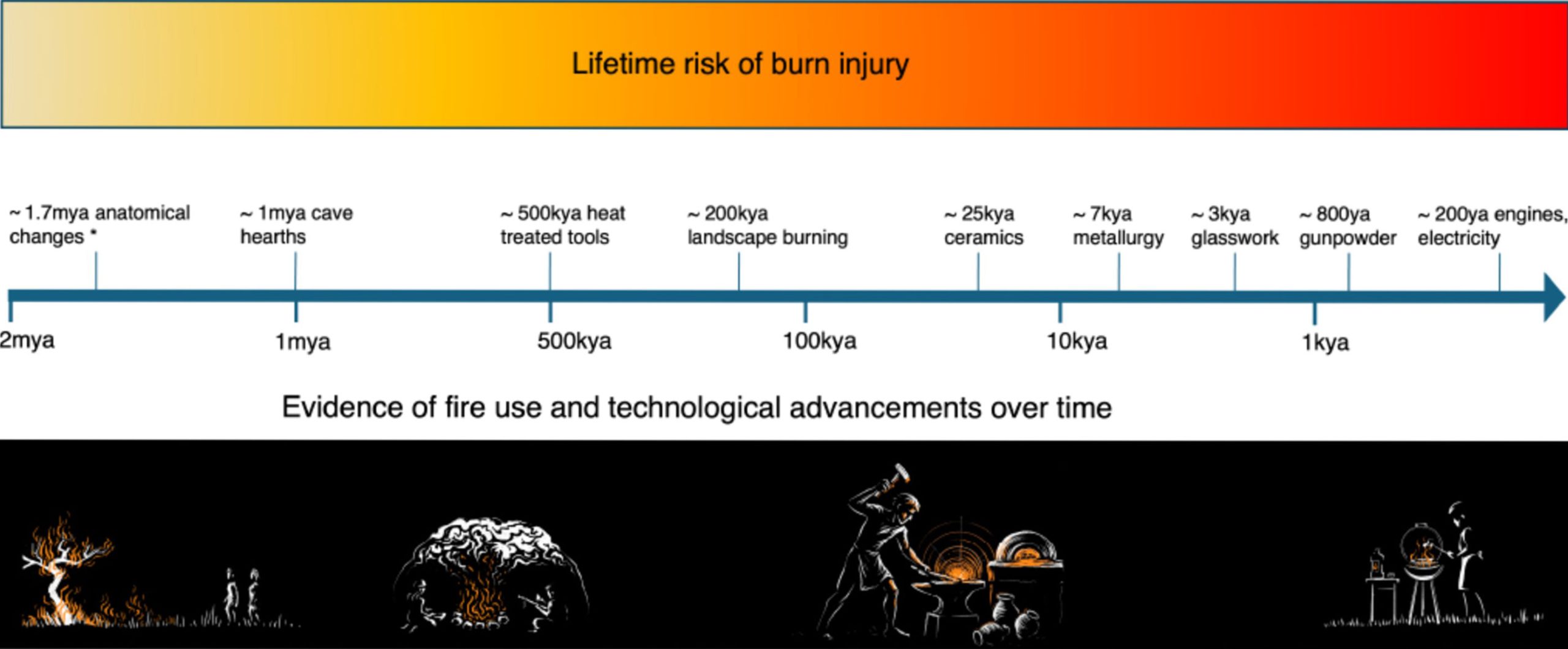
However, these same mechanisms may come at a cost. In the case of severe burns, they can trigger excessive inflammation, scarring, and even organ failure, offering a possible explanation for the extreme responses seen in modern patients.
Genetic evidence supports burn adaptation
To investigate this idea, the researchers analyzed genomic data across different primate species. They identified several genes linked to burn injury responses that appear to have evolved more rapidly in humans.
These genes are associated with processes such as wound repair, inflammation, and immune defense, all of which are critical for preventing infection after skin damage. Before the development of antibiotics, such adaptations would have been especially important for survival.
Taken together, these findings support the idea that burn exposure may have acted as a meaningful evolutionary pressure on humans.
Researchers frame a new selection pressure
Dr Joshua Cuddihy, lead author for the study, and Honorary Clinical Lecturer in Imperial’s Department of Surgery and Cancer, said: “Burns are a uniquely human injury. No other species lives alongside high temperatures and the regular risk of burning in the way humans do.
“The control of fire is deeply embedded in human life—from a preference for hot food and boiled liquids to the technologies that shape the modern world. As a result, unlike any other species, most humans will burn themselves repeatedly over their lifetime, a pattern that likely extends back over a million years to our earliest use of fire.
“Our research suggests that natural selection favored traits that improved survival after smaller, more frequent burn injuries. However, those same adaptations may have come with evolutionary trade-offs, helping to explain why humans remain particularly vulnerable to the complications of severe burns.”
This work brought together burn specialists, evolutionary biologists, and geneticists from Imperial College London, Chelsea and Westminster Hospital NHS Foundation Trust, and Queen Mary University of London.
The interdisciplinary nature of the collaboration allowed the team to connect clinical insights with evolutionary theory, offering a new perspective on both human biology and burn treatment.
Cultural selection reshapes evolutionary theory
Professor Armand Leroi, Professor of Evolutionary Developmental Biology in Imperial’s Department of Life Sciences, said: “What makes this theory of burn selection so exciting to an evolutionary biologist is that it presents a new form of natural selection – one, moreover, that depends on culture. It is part of the story of what makes us human, and a part that we really did not have any inkling of before.”
Yuemin Li, PhD student at Queen Mary University of London, said: “Our study provides compelling evidence that humans have unique adaptive mutations in several key genes associated with burn injury response.
“These findings could allow us to explore in future research how genetic variations in different groups impact burn injury response, potentially explaining why some patients heal well or poorly after a burn.”
Findings could reshape burn medicine
Unlike cuts or bites, which also carry infection risks, burn injuries stand out because humans and their ancestors have experienced them repeatedly over their lifetimes. No other species regularly encounters and survives burns in the same way.
This perspective could influence how scientists study burn injuries and develop treatments. It may also help explain why findings from animal models often fail to translate effectively to human patients.
Declan Collins, Consultant in Plastic and Reconstructive Surgery at Chelsea and Westminster Hospital NHS Foundation Trust, said: “Understanding the evolutionary drivers that cause genetic change is an important step in burn research that will influence the way in which we look at scar formation and wound healing.
“The genetic basis for scarring variation in humans and response to tissue injury is still poorly understood, and this work will provide new angles for future research.”
Reference: “Burn Selection: How Fire Injury Shaped Human Evolution” by Joshua Cuddihy, Yuemin Li, Isobel Fisher, Zoltan Takats, Dominic Friston, Declan Collins, Marcela Vizcaychipi, Matteo Fumagalli, Istvan Nagy and Armand Leroi, 4 February 2026, BioEssays.
DOI: 10.1002/bies.70109
Never miss a breakthrough: Join the SciTechDaily newsletter.
Follow us on Google and Google News.
1 Comment
very good