
Researchers have developed a universal, base-edited CAR T-cell treatment that delivers high remission rates for patients with resistant T-cell leukemia.
Early outcomes—and remarkable recoveries—suggest a powerful new path forward against this aggressive cancer.
Breakthrough gene-edited treatment for T-cell leukemia
Scientists at UCL (University College London) and Great Ormond Street Hospital (GOSH) have developed a new way to use genome-edited immune cells that is showing strong early results in both children and adults with a rare, fast-growing blood cancer called T-cell acute lymphoblastic leukemia (T-ALL).
This first-of-its-kind gene therapy, called BE-CAR7, uses base-edited immune cells to treat cases of T-cell leukemia that previously had no effective options. The aim is to help patients reach remission and give families facing this aggressive cancer a realistic new source of hope. Base-editing is an advanced form of CRISPR technology that can precisely alter single letters of DNA inside living cells.
In 2022, researchers from GOSH and UCL used a base-edited treatment for the very first time in the world in a 13-year-old girl from Leicester, Alyssa.
Since then, another eight children and two adults have received the therapy at GOSH and King’s College Hospital (KCH).
Strong early results in clinical trial
- The clinical trial findings have now been reported in the New England Journal of Medicine and shared at the 67th American Society of Hematology Annual Meeting. Key results include:
- 82% of patients went into very deep remission after BE-CAR7, which allowed them to move on to stem cell transplant without any detectable disease
- 64% of patients remain disease-free, and the earliest participants have now been free of disease and off treatment for three years
- Expected side effects such as low blood counts, cytokine release syndrome and rashes were manageable, with the greatest concerns linked to virus infections while the immune system recovered
How CAR T-cell immunotherapy works
Immunotherapy based on CAR-T cells is a newer option for several blood cancers. In this approach, immune cells called T-cells are taken and modified so that they carry special proteins on their surface called chimeric antigen receptors (CARs). These CARs recognize specific “flags” on the outside of cancer cells, allowing the modified T-cells to lock onto and kill those cells.
However, designing CAR T-cell therapies for leukemia that starts in T-cells themselves is particularly difficult, because the treatment must attack cancerous T-cells without destroying the very cells needed for the therapy.
Base editing creates next-generation CAR T-cells
BE-CAR7 T-cells are created using base editing, a newer type of genome editing that does not cut DNA. By avoiding DNA breaks, base editing reduces the risk of chromosomal damage. Researchers used CRISPR-based guidance systems to make very precise chemical changes to single DNA letters and thereby reprogram the T-cells.
As first reported in 2022, these intricate DNA changes allowed scientists to build stored banks of “universal” CAR T-cells that can be kept ready and then used to track down and attack T-cell leukemia when needed.
Building ‘universal’ donor CAR T-cells
For this study, the “universal” CAR T-cells were produced from healthy donor white blood cells. The engineering process took place in a clean room at Great Ormond Street Hospital, using custom RNA, mRNA and a lentiviral vector in an automated system previously developed by the team. The main stages were:
- Removing existing receptors so that donor T-cells can be stored and later given to any patient without the need to match donor and recipient, making them “universal.”
- Removing a flag called CD7 that marks the cells as T-cells (CD7 T-cell marker). Without this step, T-cells designed to kill T-cells would attack each other in “friendly-fire.”
- Removing a second flag called CD52. This alteration makes the edited cells invisible to a powerful antibody drug used to calm the patient’s immune system.
- Adding a Chimeric Antigen Receptor (CAR) that recognizes the CD7 flag on leukemic T-cells. A disabled virus was used to insert extra DNA instructions so the cells are armed against CD7 and can identify and destroy T-cell leukemia.
From cancer clearance to immune system rebuild
Once base-edited CAR T-cells are infused into the patient, they rapidly seek out and eliminate T-cells throughout the body, including the leukemic T-cells driving the disease. If the leukemia is cleared within about four weeks, the patient then receives a bone marrow transplant. Over the following months, this transplant rebuilds a healthy immune system.
Researchers highlight both promise and difficulty
“We previously showed promising results using precision genome editing for children with aggressive blood cancer and this larger number of patients confirms the impact of this type of treatment,” said Professor Waseem Qasim who led the research and is professor of cell and gene therapy at UCL and honorary consultant immunologist at GOSH. “We’ve shown that universal or ‘off the shelf’ base-edited CAR T-cells can seek and destroy very resistant cases of CD7+ leukemia.”
He also added: “Many teams were involved across the hospital and university and everyone is delighted for patients clearing their disease, but at the same time, deeply mindful that outcomes were not as hoped for some children. These are intense and difficult treatments – patients and families have been generous in recognizing the importance of learning as much as possible from each experience.”
Urgent need for better options in T-cell leukemia
Dr. Rob Chiesa, study investigator and bone marrow transplant consultant at GOSH said: “Although most children with T-cell leukemia will respond well to standard treatments, around 20% may not. It’s these patients who desperately need better options and this research provides hope for a better prognosis for everyone diagnosed with this rare but aggressive form of blood cancer.
“Seeing Alyssa go from strength-to-strength is incredible and a testament to her tenacity and the dedication of an array of small army of people at GOSH. Team working between bone marrow transplant, hematology, ward staff, teachers, play workers, physiotherapists, lab and research teams, among others, is essential for supporting our patients.”
Dr. Deborah Yallop, consultant hematologist at KCH said “We’ve seen impressive responses in clearing leukemia that seemed incurable – it’s a very powerful approach.”
Funding and support to expand access
The trial was sponsored by GOSH and supported by the Medical Research Council, Wellcome, and the National Institute for Health and Care Research (NIHR), for patients eligible for NHS care in the UK. Any patients who qualify for NHS treatment and are interested in this trial are advised to speak to their specialist healthcare team.
In addition to providing early funding to Professor Qasim to help develop new cutting-edge treatments, Great Ormond Street Hospital Charity (GOSH Charity) has now committed to supporting treatment for another 10 T-ALL patients. With funding of over £2m to widen access to the clinical trial, this support also contributes to GOSH Charity’s wider fundraising appeal to build a world-leading new Children’s Cancer Centre at GOSH, creating a space where pioneering research can thrive.
Alyssa’s story: first patient and long-term success
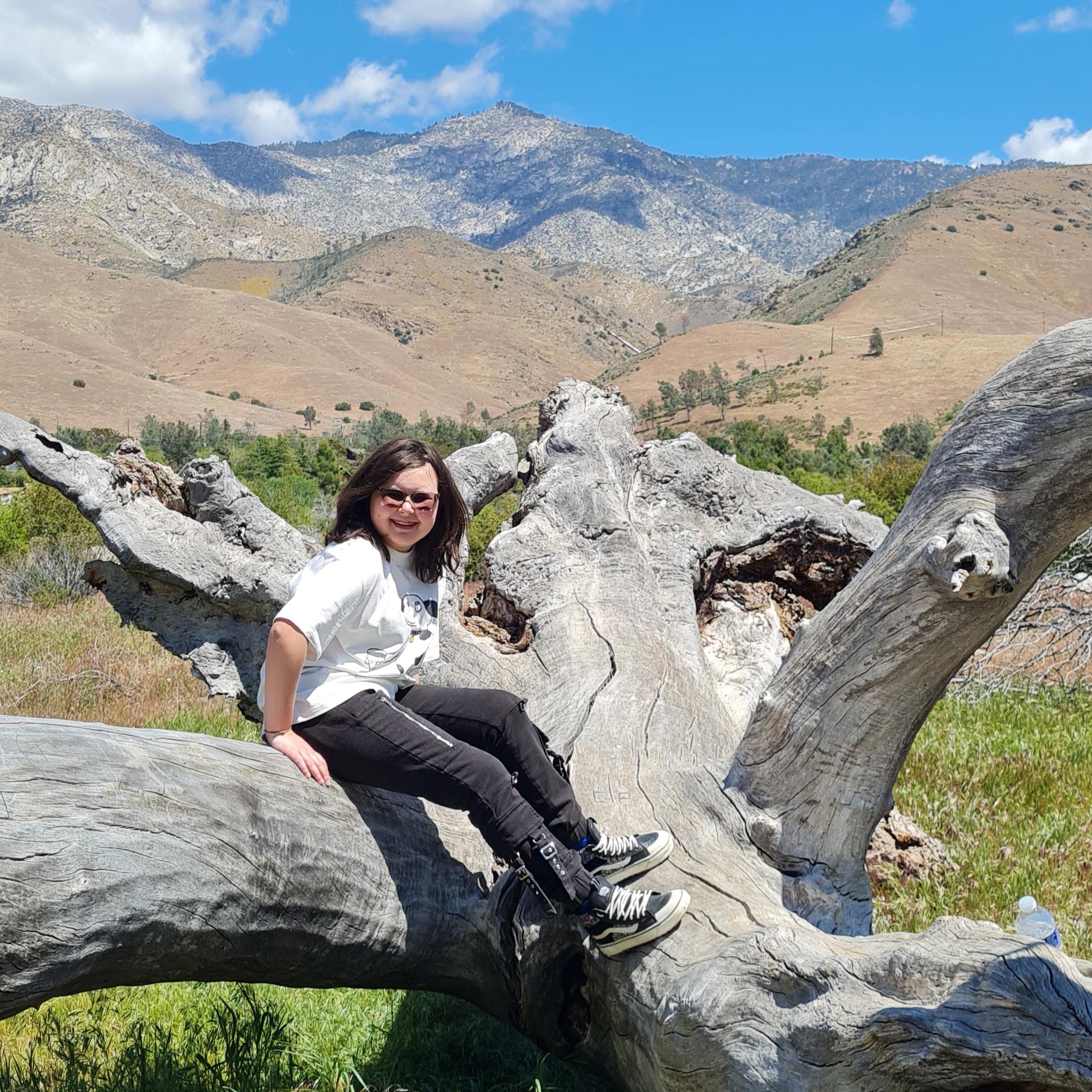
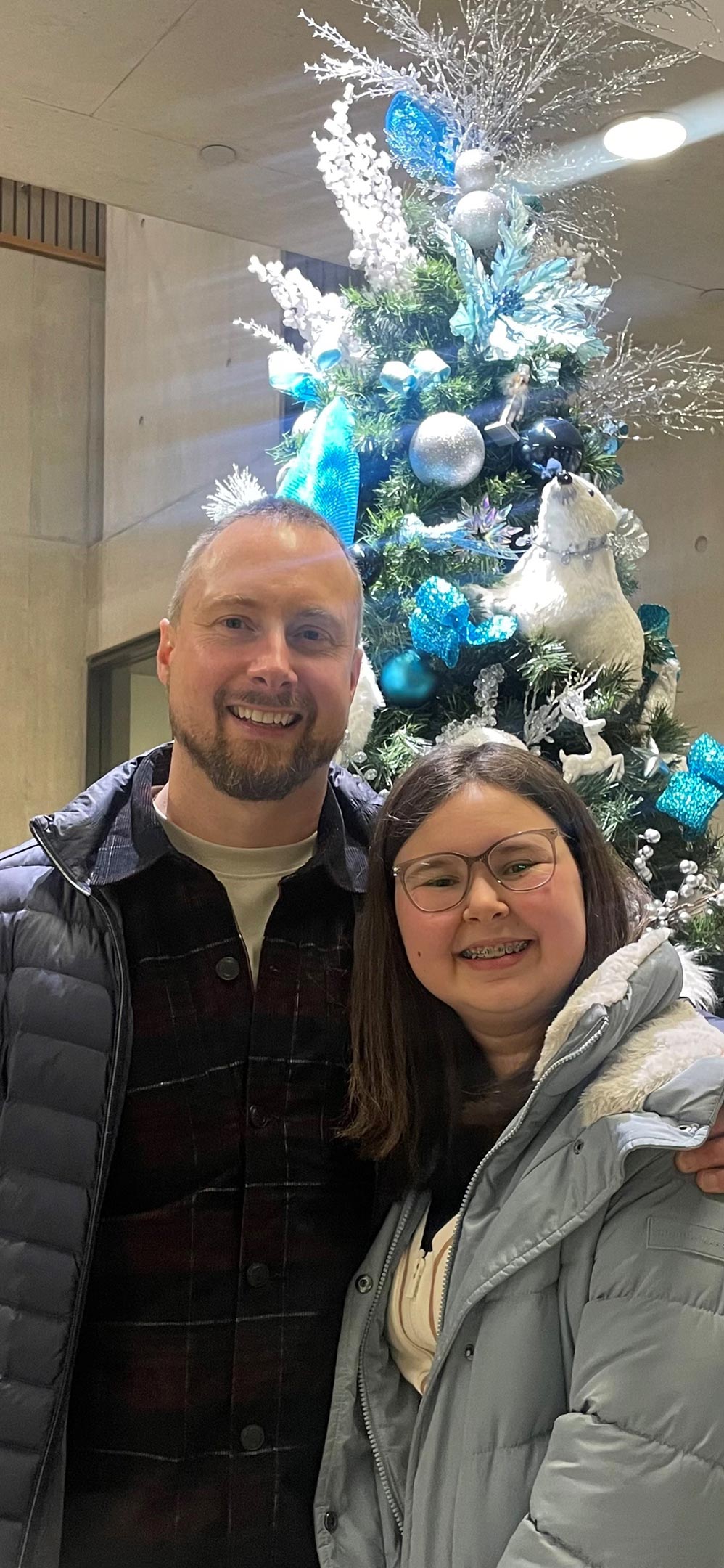
Alyssa Tapley, 16, from Leicester, was the first patient in the world to receive a base-edited cell therapy and originally shared her story in 2022 when she was 13. At the time, she was cautiously optimistic with her leukemia undetectable, but was under close monitoring. She has now been discharged to long-term follow-up and is throwing herself into life with her friends.
Alyssa was diagnosed with T-cell leukemia in May 2021, after a long period of what the family thought were colds, viruses and general tiredness. She did not respond to standard therapies – chemotherapy or a first bone marrow transplant – and she was discussing the option of palliative care when the research opportunity was proposed.
Alyssa said: “I chose to take part in the research as I felt that, even if it didn’t work for me, it could help others. Years later, we know it worked and I’m doing really well. I’ve done all those things that you’re supposed to do when you’re a teenager.
“I’ve gone sailing, spent time away from home doing my Duke of Edinburgh Award but even just going to school is something I dreamed of when I was ill. I’m not taking anything for granted. Next on my list is learning to drive, but my ultimate goal is to become a research scientist and be part of the next big discovery that can help people like me.”
Reference: “Universal Base-Edited CAR7 T Cells for T-Cell Acute Lymphoblastic Leukemia” by Robert Chiesa, Christos Georgiadis, Hebatalla Rashed, Roland Preece, Prudence Hardefeldt, Jan Chu, Jemma Selvage, Avijeet Mishra, Batoul Ahmed, Stuart Adams, Rebecca Thomas, Kimberly Gilmour, Annie Etuk, Deborah Yallop, David O’Connor and Waseem Qasim, 7 December 2025, New England Journal of Medicine.
DOI: 10.1056/NEJMoa2505478
BE-CAR7 cells were manufactured as part of a long-standing research program led by Professor Waseem Qasim at UCL Great Ormond Street Institute of Child Health, honorary consultant at GOSH. Thanks to funding from NIHR, Wellcome, the Medical Research Council and GOSH Charity, Professor Qasim has been a pioneer in developing new gene therapy derived treatments, including using innovative genome editing techniques. The team is now based at the Zayed Centre for Research into Rare Disease in Children, a partnership between UCL and GOSH. This state-of-the-art research institution was made possible thanks to the extraordinary philanthropic support of Her Highness Sheikha Fatima bint Mubarak. In 2014 Her Highness made a £60 million gift to GOSH Charity in honour of her late husband, Sheikh Zayed bin Sultan Al Nahyan.
The research team wish to thank Anthony Nolan and their volunteer blood and stem cell donors, and the patients and their families for participating in the research.
Never miss a breakthrough: Join the SciTechDaily newsletter.
Follow us on Google and Google News.