
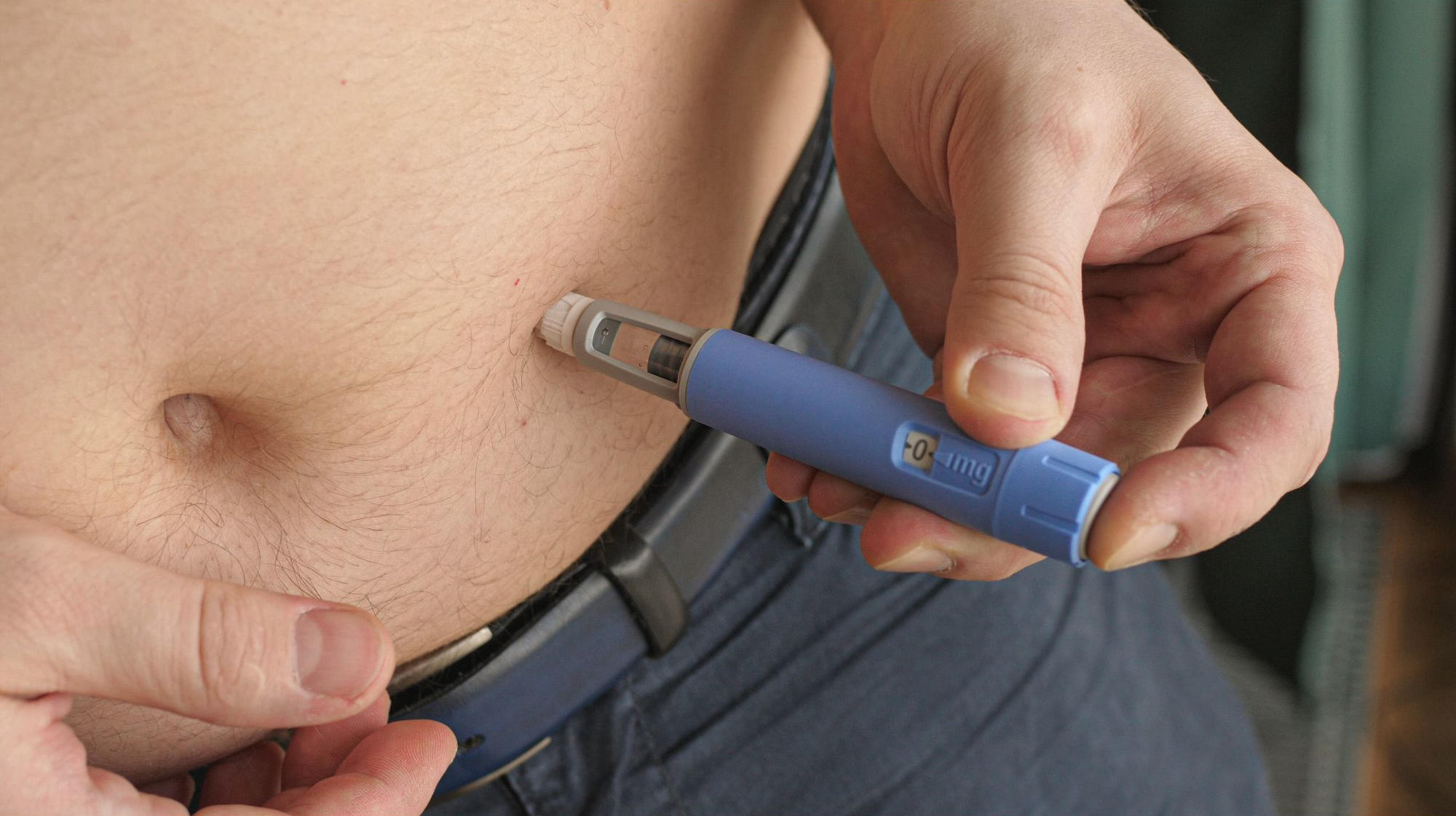
Despite semaglutide’s popularity for weight loss, experts are sounding the alarm on its major shortcomings—limited long-term success, serious side effects, and rapid weight regain after stopping the drug.
While millions of Americans qualify for semaglutide, research reveals that most users remain overweight or obese even after years of treatment.
Semaglutide: Effectiveness and Limitations
A popular weight loss drug, semaglutide, is making headlines—but not just for its widespread use. New concerns are being raised about its long-term effectiveness, safety, and what happens when people stop taking it.
In a letter published in JAMA Cardiology, Dr. Vanita Rahman of the Physicians Committee for Responsible Medicine warns that semaglutide may not be the weight loss solution many are hoping for. Her response comes after new research found that more than half of U.S. adults, an estimated 137 million people, are now eligible to use the drug for weight management.
Semaglutide is a prescription medication originally developed to treat type 2 diabetes, now widely known for its use in weight loss under the brand names Ozempic and Wegovy. It works by mimicking a hormone called GLP-1, which helps regulate appetite and blood sugar levels.
“This research found that half the U.S. adults are eligible for semaglutide for weight loss, and while the authors correctly cite access and cost as important barriers, there are other significant limitations and risks,” says letter author Vanita Rahman, MD, DipABLM, internal medicine and lifestyle medicine doctor with the Physicians Committee for Responsible Medicine, a public health advocacy nonprofit.
Weight Loss Plateaus and Persistent Obesity
For many people taking semaglutide, weight loss slows over time and often stalls completely. Even after four years of use in the SELECT trial, only 12% of participants reached a healthy body weight. Most people remained either overweight or obese.
And the progress doesn’t always last. When participants in the STEP-1 extension study stopped taking semaglutide, they quickly regained the weight they had lost.
Severe Side Effects and Unknown Long-Term Safety
Semaglutide is associated with a high prevalence of adverse events, and its long-term safety is unknown. In an observational study, semaglutide was associated with a more than fourfold and sevenfold risk of nonarteritic anterior ischemic optic neuropathy in people taking semaglutide for type 2 diabetes and weight loss, respectively.
Plant-based dietary interventions, on the other hand, have led to significant weight loss along with improvements in cardiometabolic risk factors. In the BROAD study, a low-fat plant-based diet led to an average weight loss of 12.1 kg at 6 months compared with an average weight loss of 1.6 kg in the standard-care group. The plant-based group also experienced larger reductions in total cholesterol.
The Broader Health Impact of Weight Loss
Dr. Rahman adds, “Obesity and overweight are highly prevalent conditions associated with considerable morbidity and mortality, and successful weight loss interventions can lead to important reductions in cardiometabolic risk.”
Though semaglutide can lead to meaningful weight loss in some individuals, it comes with important risks and limitations. On the other hand, plant-based diets are a safe, low-cost treatment option with research-proven benefits.
Bridging the Gap Between Knowledge and Practice
Half of U.S. adults say they know eating a plant-based diet can improve their health and help prevent chronic diseases, according to a recent Physicians Committee/Morning Consult survey. Yet just 1 in 5 primary care practitioners discuss this lifesaving message with patients.
“This provides us as health care professionals with an opportunity to support and guide our patients toward nutrition interventions that work and reduce the risk of chronic diseases that affect millions,” Dr. Rahman says.
Reference: “The Limitations and Risks Associated With Semaglutide Treatment” by Vanita Rahman, 14 May 2025, JAMA Cardiology.
DOI: 10.1001/jamacardio.2025.1095
Never miss a breakthrough: Join the SciTechDaily newsletter.
Follow us on Google and Google News.
2 Comments
Win side effects override the main effect isn’t that an allergic reaction ? ? ? ?
Ozempic is a great way to win the Darwin award. Just keep on jabbing, folks.