
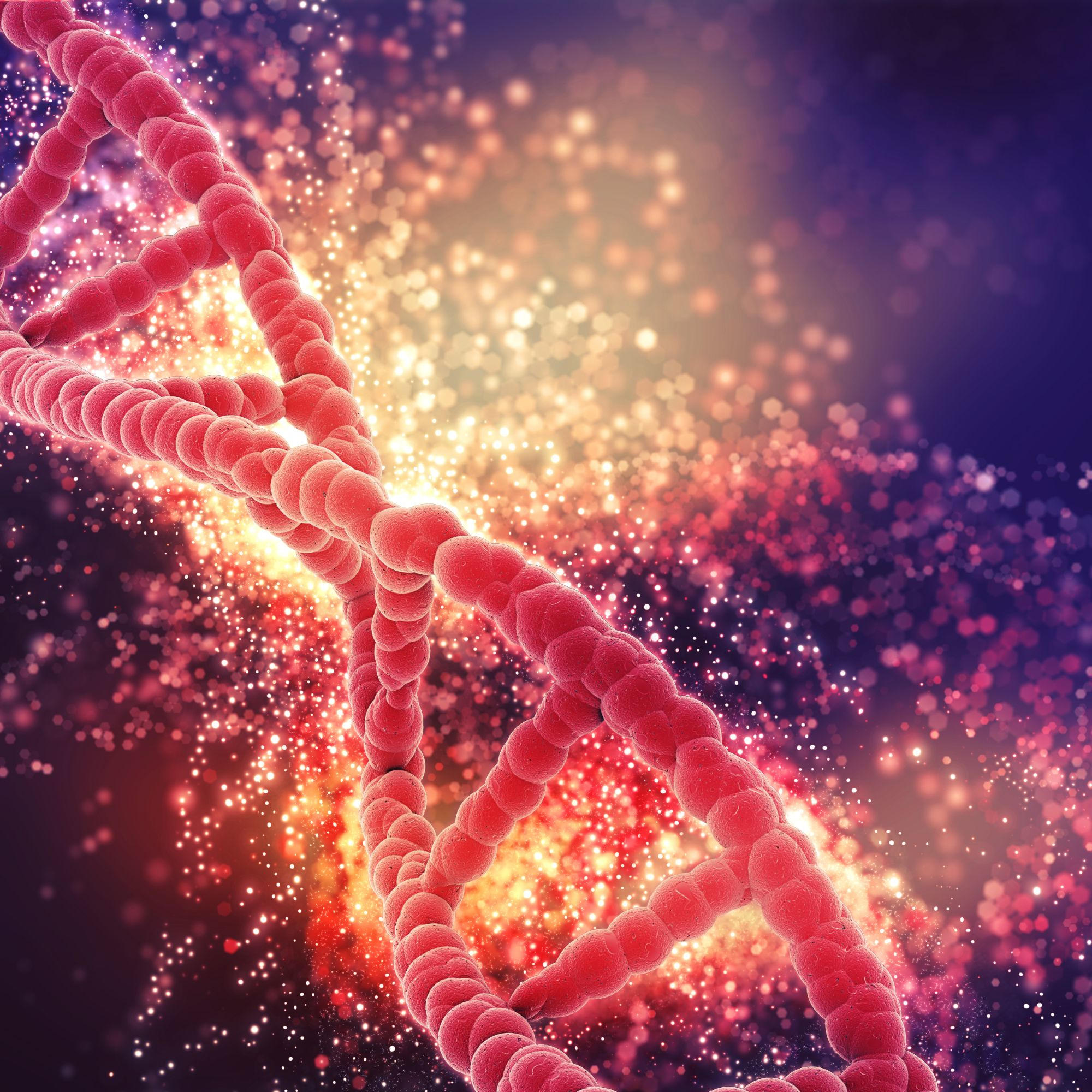
A team of scientists from the United Kingdom, including leading experts from the University of Nottingham and Imperial College London, have successfully constructed a synthetic chromosome. This achievement is a significant milestone in a major international initiative aimed at creating the world’s first synthetic yeast genome.
The work, which is published in Cell Genomics, represents the completion of one of the 16 chromosomes of the yeast genome by the UK team, which is part of the biggest project ever in synthetic biology; the international synthetic yeast genome collaboration.
The collaboration, known as ‘Sc2.0’ has been a 15-year project involving teams from around the world (UK, US, China, Singapore, UK, France, and Australia), working together to make synthetic versions of all of yeast’s chromosomes. Alongside this paper, another 9 publications are also released today from other teams describing their synthetic chromosomes. The final completion of the genome project – the largest synthetic genome ever – is expected next year.
Progress and Significance of the Project
This effort is the first to build a synthetic genome of a eukaryote – a living organism with a nucleus, such as animals, plants, and fungi. Yeast was the organism of choice for the project as it has a relatively compact genome and the innate ability to stitch DNA together, allowing the researchers to build synthetic chromosomes within the yeast cells.
Humans have a long history with yeast, having domesticated it for baking and brewing over thousands of years and, more recently, using it for chemical production and as a model organism for how our own cells work. This relationship means that we know more about the genetics of yeast than any other organism. These factors made yeast the obvious candidate.
The UK-based team, led by Dr Ben Blount from the University of Nottingham and Professor Tom Ellis at Imperial College London, have now reported completion of their chromosome, synthetic chromosome XI. The project to build the chromosome has taken 10 years and the DNA sequence constructed consists of around 660,000 base pairs – which are the ‘letters’ making up the DNA code.
The synthetic chromosome has replaced one of the natural chromosomes of a yeast cell and, after a painstaking debugging process, now allows the cell to grow with the same fitness level as a natural cell. The synthetic genome will not only help scientists to understand how genomes function, but it will have many applications.
Rather than being a straight copy of the natural genome, the Sc2.0 synthetic genome has been designed with new features that give cells novel abilities not found in nature. One of these features allows researchers to force the cells to shuffle their gene content, creating millions of different versions of the cells with different characteristics. Individuals can then be picked with improved properties for a wide range of applications in medicine, bioenergy, and biotechnology. The process is effectively a form of super-charged evolution.
Applications and Future Potential
The team has also shown that its chromosome can be repurposed as a new system to study extrachromosomal circular DNAs (eccDNAs). These are free-floating DNA circles that have “looped out” of the genome and are being increasingly recognized as factors in aging and as a cause of malignant growth and chemotherapeutic drug resistance in many cancers, including glioblastoma brain tumors.
Dr Ben Blount, one of the lead scientists on the project, is an Assistant Professor in the School of Life Sciences at the University of Nottingham. He said: “The synthetic chromosomes are massive technical achievements in their own right, but will also open up a huge range of new abilities for how we study and apply biology. This could range from creating new microbial strains for greener bioproduction, to helping us understand and combat disease.
“The synthetic yeast genome project is a fantastic example of science on a large scale that has been achieved by a large group of researchers from around the world. It’s been a great experience to be part of such a monumental effort, where all involved were striving towards the same shared goal.”
Professor Tom Ellis from the Centre for Synthetic Biology and Department of Bioengineering at Imperial College London, said: “By constructing a redesigned chromosome from telomere to telomere, and showing it can replace a natural chromosome just fine, our team’s work establishes the foundations for designing and making synthetic chromosomes and even genomes for complex organisms like plants and animals.”
Reference: “Synthetic yeast chromosome XI design provides a testbed for the study of extrachromosomal circular DNA dynamics” by Benjamin A. Blount, Xinyu Lu, Maureen R.M. Driessen, Dejana Jovicevic, Mateo I. Sanchez, Klaudia Ciurkot, Yu Zhao, Stephanie Lauer, Robert M. McKiernan, Glen-Oliver F. Gowers, Fiachra Sweeney, Viola Fanfani, Evgenii Lobzaev, Kim Palacios-Flores, Roy S.K. Walker, Andy Hesketh, Jitong Cai, Stephen G. Oliver, Yizhi Cai, Giovanni Stracquadanio and Tom Ellis, 9 November 2023, Cell Genomics.
DOI: 10.1016/j.xgen.2023.100418
As well as the leads of Nottingham and Imperial College London, the UK team also includes scientists from the universities of Edinburgh, Cambridge, and Manchester in the UK, as well as John Hopkins University and New York University Langone Health in the USA and Universidad Nacional Autónoma de México, Querétaro in Mexico.
The work was funded by the BBSRC.
Never miss a breakthrough: Join the SciTechDaily newsletter.
Follow us on Google and Google News.