
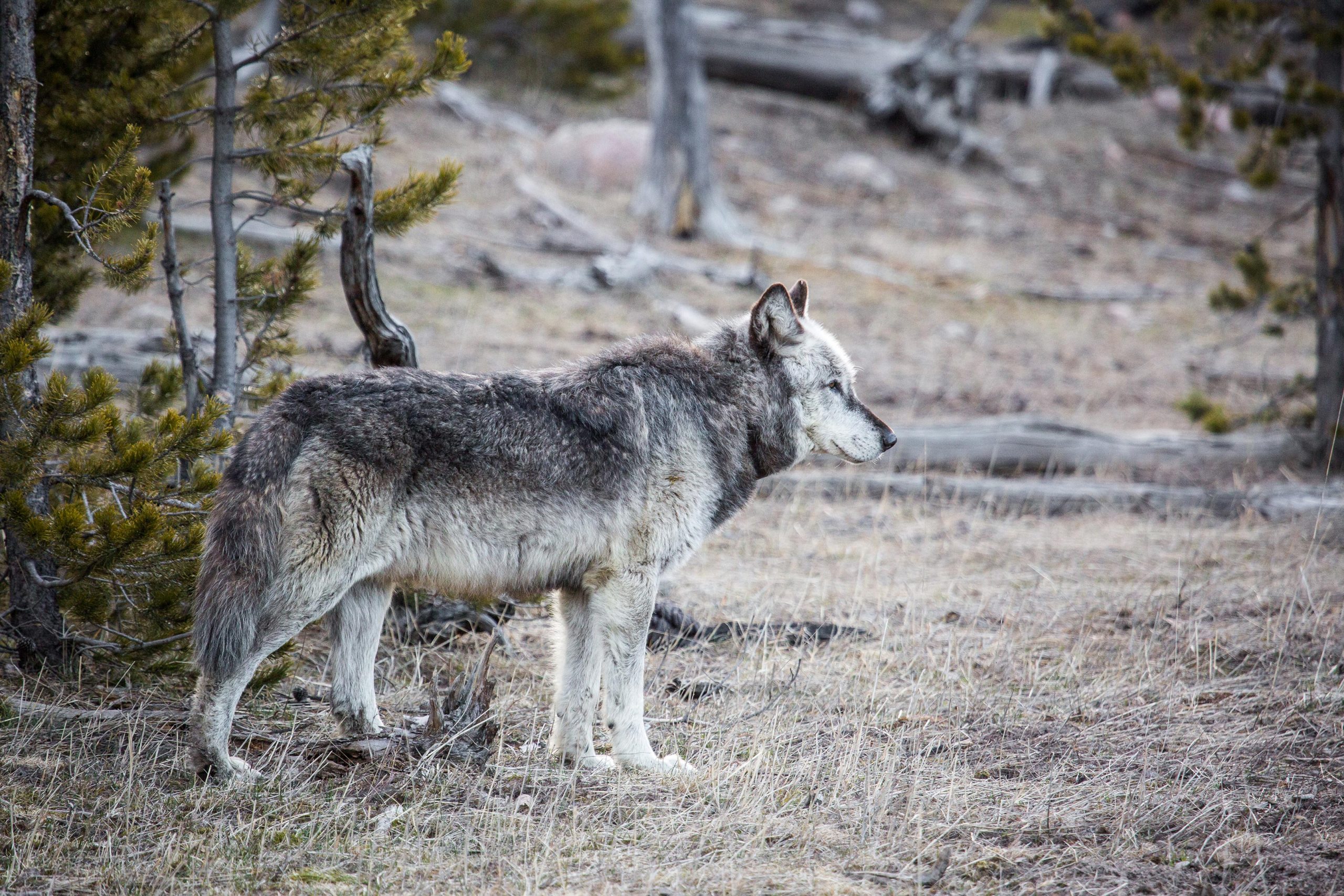
A new study finds that the absence of gray wolves in western US ecosystems has significant ecological impacts, particularly on plant and animal communities.
The study underscores the importance of historical context in ecological research and suggests that future studies should consider the presence of large predators for better conservation strategies.
Importance of Gray Wolves in Ecosystems
A study published today (June 19) in the journal BioScience sheds light on the importance of gray wolves in the western United States. Led by William Ripple, a scientist at Oregon State University and the Conservation Biology Institute, the research delves into the implications of large predator absence on plant and animal communities, and ecosystem functions. It calls attention to “shifting baselines” wherein increasingly degraded conditions are viewed as reflecting the historical state of a system.
“By the 1930s, wolves were largely absent from the American West, including its national parks. Most published ecological research from this region occurred after the extirpation of wolves,” explains Ripple. “This situation underscores the potential impact of shifting baselines on our understanding of plant community succession, animal community dynamics, and ecosystem functions.”
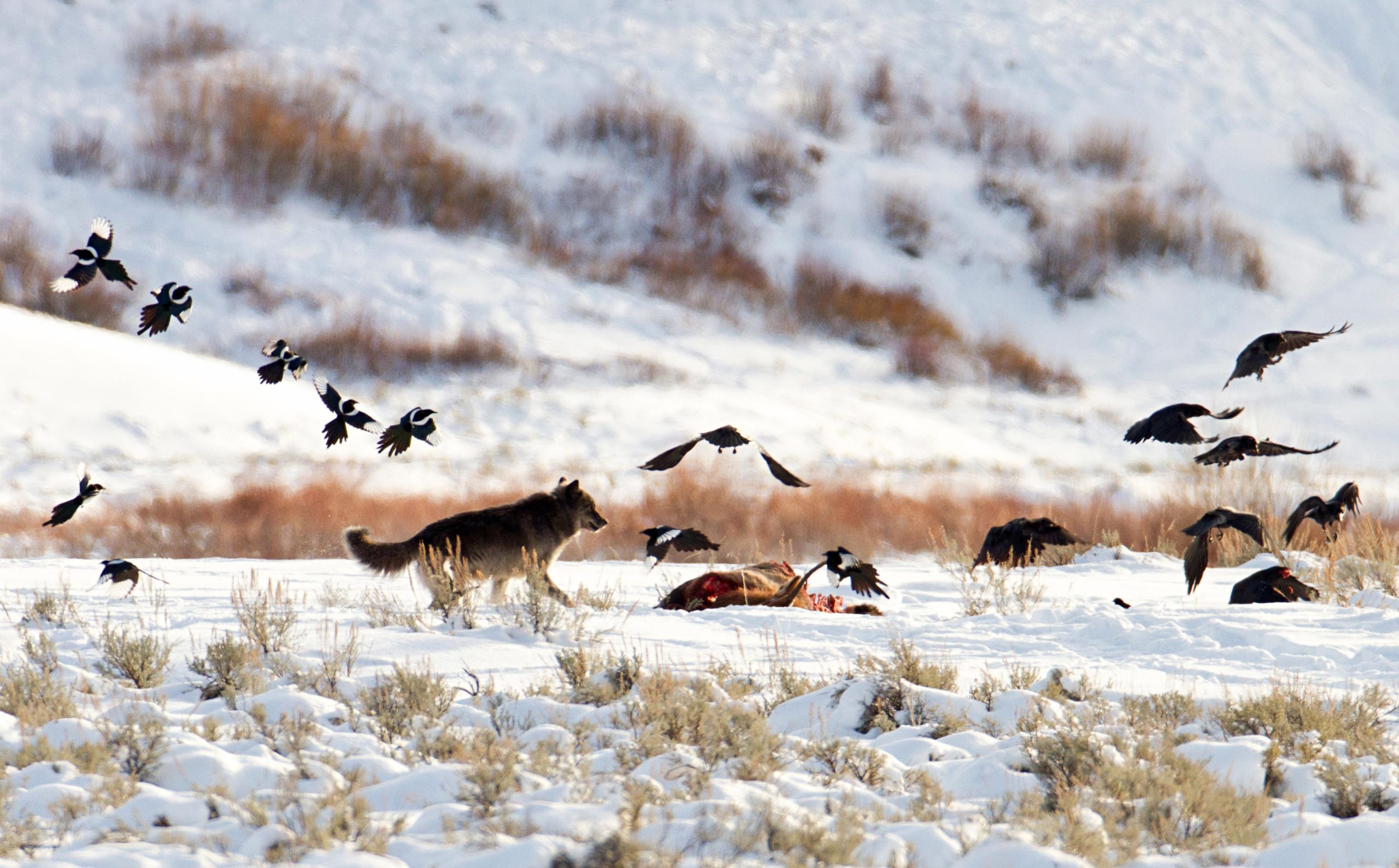
Ecological Consequences of Predator Removal
Age structure data for deciduous trees reveal substantial ecological impacts of elk and other ungulates following the removal of gray wolves from Yellowstone, Olympic, and Wind Cave National Parks. This has led to declines in long-term tree recruitment, influencing plant communities and ecological processes.
The study highlights the necessity of characterizing historical context and reference conditions when exploring areas where large predators, like wolves, are either absent, functionally extinct, or persist in reduced densities. The authors note that such areas likely occur in many regions of the world as a result of the widespread loss of large predators. Where applicable, the authors recommend that researchers include a discussion of how the presence or absence of large predators may have influenced their results and conclusions in future ecological studies in national parks.
Broader Implications and Recommendations
“In addition to the loss or displacement of large predators, there may be other potential anthropogenic legacies within national parks that should be considered, including fire suppression, invasion by exotic plants and animals, and overgrazing by livestock,” adds Dr. Robert Beschta, co-author of the study and emeritus professor at Oregon State University.
To address the effects of predator loss and other potential legacy factors, the study suggests that researchers investigate park archives to exploit historical data and information. National park archives can provide valuable insights into the history of predators and their prey, enabling scientists to discern among competing explanations for shifting ecological baselines.
Wildlife Management and Conservation
“Studying altered ecosystems without recognizing how or why the system has changed over time since the absence of a large predator could have serious implications for wildlife management, biodiversity conservation, and ecosystem restoration,” emphasizes Ripple.
The research underscores the importance of integrating historical context into ecological studies to provide a more comprehensive understanding of ecosystem dynamics. By acknowledging the historical presence of large predators and other anthropogenic legacies, as well as their potential ecosystem effects, researchers can contribute to more effective conservation and management strategies in national parks and beyond.
Legal and Conservation Efforts for Gray Wolves
Recently, a coalition comprising nearly twelve conservation organizations initiated legal action against the U.S. Fish and Wildlife Service and the U.S. Department of the Interior. Their aim is to reinstate safeguards for gray wolves in Montana and Idaho, contending that the states’ forceful hunting strategies endanger these wolf populations.
The research has implications for the long-term conservation of wolves and other large predators, including current gray wolf management and litigation in the West. “We hope our study will be of use to both conservation organizations and government agencies in identifying ecosystem management goals,” added Ripple.
Reference: “A shifting ecological baseline after wolf extirpation” by William J Ripple, Christopher Wolf, Robert L Beschta, Apryle D Craig, Zachary S Curcija, Erick J Lundgren, Lauren C Satterfield, Samuel T Woodrich and Aaron J Wirsing, 19 June 2024, BioScience.
DOI: 10.1093/biosci/biae034
Never miss a breakthrough: Join the SciTechDaily newsletter.
Follow us on Google and Google News.
2 Comments
Fantastic page, keep them coming!
I had the opportunity to get up close to a Gray Wolf once, in of all places Illinois, not far from Chicago; within ten feet of myself and my companion, an Old English Sheepdog that naturally went after it for all of two steps before rethinking the advisability of that course of action, But, it really did seem incredible to me that the animal didn’t even seem to care that we were even there; even took me a moment to, ‘What the?’, and it was gone. In Chicago they always complain about the rats, but never reintroduce the predators that could quickly take care of the problem, and obviously, even Gray Wolves love people, as long as we don’t mess with them; I’d bet that there’s a street gang out there somewhere called the, “Gray Wolves”. There are places where people and lions mingle together within just a few feet on a daily basis, obviously, people have issues that we’d all be much better off getting over, starting with the other species, and working down to ourselves.