
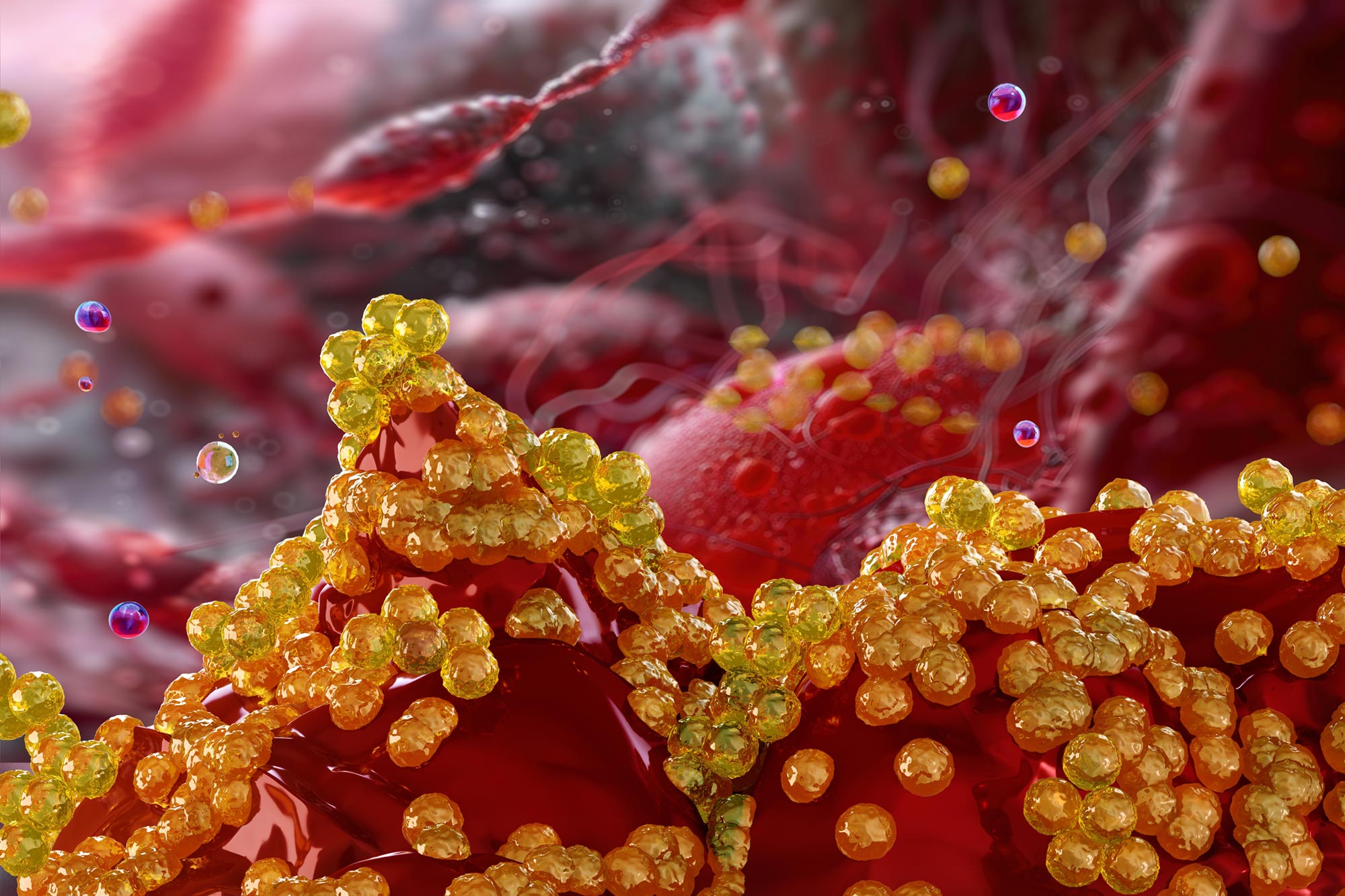
A naturally derived molecule shows promise in blocking critical behaviors that bacteria rely on to cause disease.
Drug-resistant bacteria are quietly reshaping modern medicine, turning once-treatable infections into serious threats. Among the most concerning is Staphylococcus aureus, or “staph,” a microbe that commonly lives on the skin but can trigger dangerous infections if it enters the body.
Its most notorious form, methicillin-resistant S. aureus (MRSA), is responsible for a significant share of global deaths linked to antimicrobial resistance, especially among older adults and people with weakened immune systems.
Now, instead of trying to kill these bacteria outright, scientists are testing a strategy that takes away their ability to cause harm in the first place. Researchers at the University of Guelph, working in the Department of Molecular and Cellular Biology, have identified compounds that stop staph from attaching to human tissues, a critical first step in infection. Their findings appear in Nature Communications.
Led by Dr. Georgina Cox, Canada Research Chair in Antimicrobial Resistance, and Dr. Allison Leonard, a recent PhD graduate, the team investigated “anti-adhesives.” These compounds work by preventing bacteria from attaching to surfaces in the body, limiting their ability to spread and cause infection.
“Antibiotics exert strong killing pressure, selecting for resistant bacteria,” says Cox. “But anti-adhesives aim to disarm the bacteria instead of killing them. And because they would be expected to exert little to no selective pressure outside of the host, they may be especially effective at limiting resistance development in the environment, compared to traditional antibiotics. Nevertheless, we need to delve deeper into this phenomenon.”
“Bacteria are so innovative in the ways in which they resist that we have to also be innovative in the strategies to control them.”
Screening for Anti-Adhesive Compounds
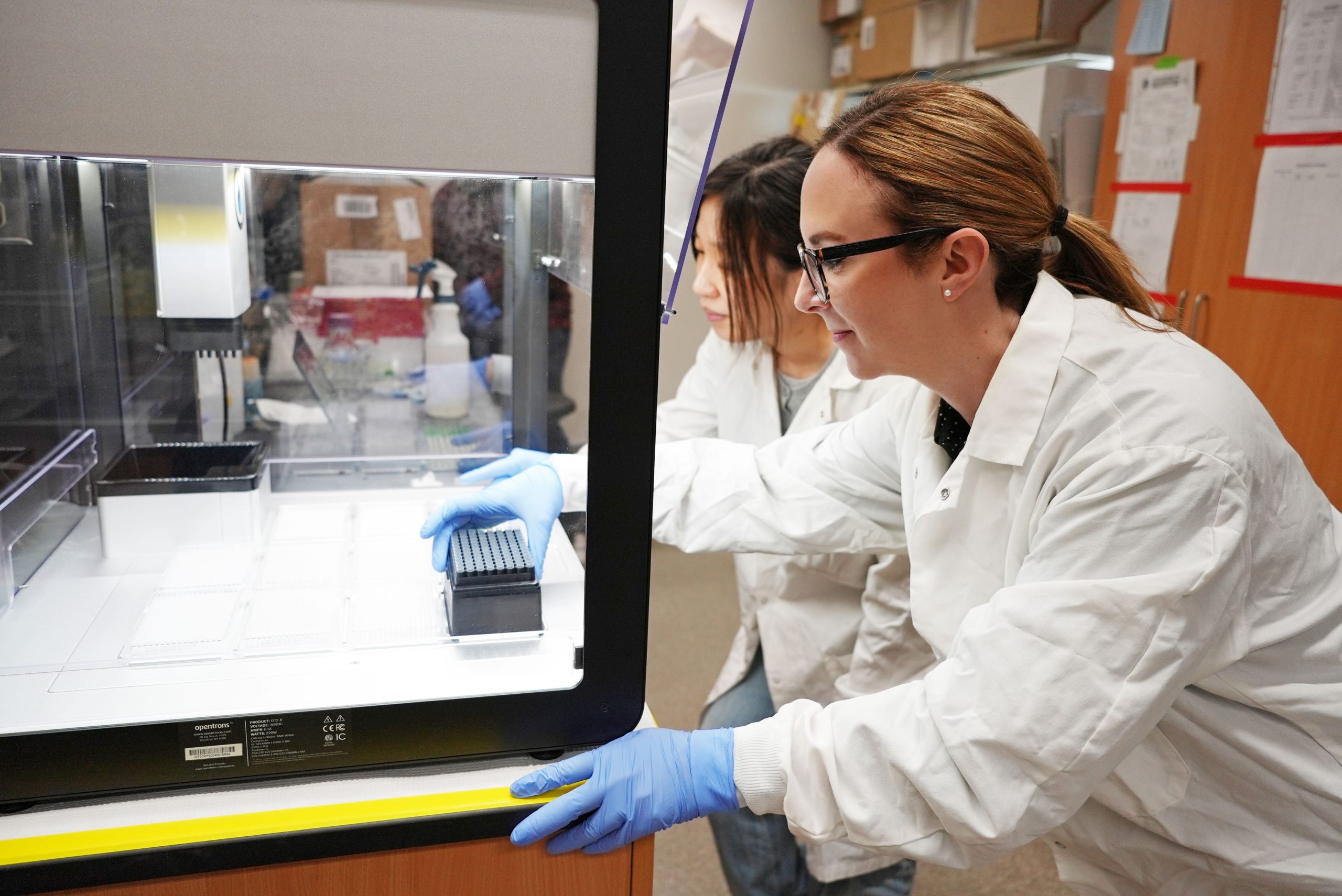
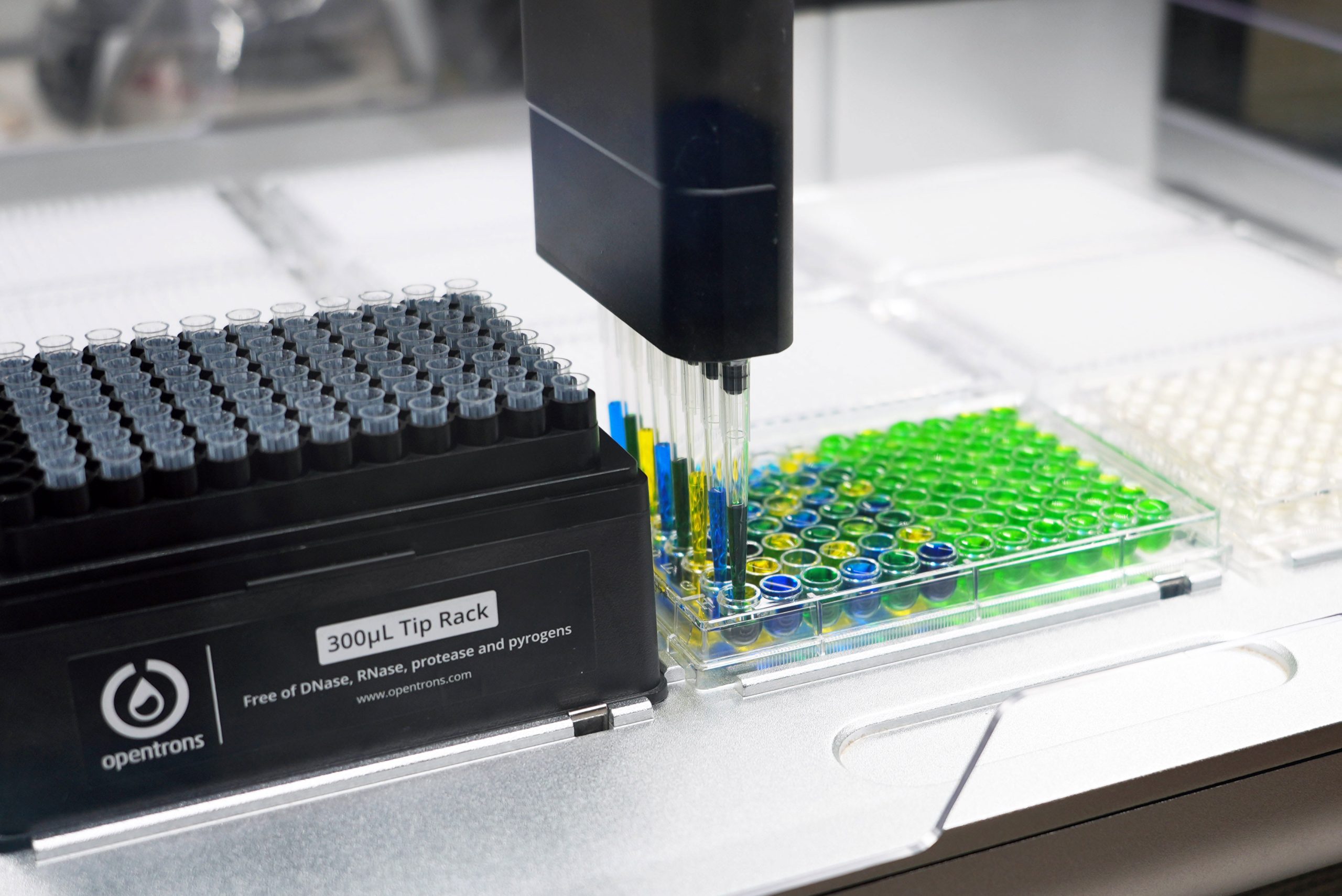
Using a high-throughput screening method developed in Cox’s lab, along with facilities at McMaster University’s Centre for Microbial Chemical Biology, the researchers tested nearly 4,000 bioactive compounds. These included both existing drugs and naturally occurring substances, all evaluated for their ability to block staph from binding.
One compound stood out. Geranylgeranoic acid (GGA), a fatty acid found in plants such as ginger and turmeric, was shown to disrupt bacterial virulence, including its ability to infect, spread, and defend itself.
GGA made it more difficult for the bacteria to attach to human molecules, including proteins found on the skin and in the bloodstream. It also interfered with the microbes’ “sensing” system, limiting their ability to detect and respond to their surroundings.
Disarming Bacteria Without Killing Them
“Staph has a diverse arsenal of surface proteins that make it sticky,” says Cox, “but this compound interferes with several of them.”
In collaboration with researchers at Western University, the team tested GGA in mice. The compound prevented the formation of skin lesions caused by staph and reduced the severity of existing infections.
Anti-adhesives are an emerging area of research aimed at developing new treatments for antibiotic-resistant infections. In the United States, similar work is already in clinical trials. Researchers are studying mannoside-type blockers, which mimic the binding process E. coli uses to attach to the urinary tract, helping prevent infection without antibiotics.”
“Anti-adhesives have a lot of potential, and we really must start thinking of more unusual approaches to control bacteria than just simply going after growth,” says Cox. “I don’t think they would ever replace classic antibiotics, but it’s only a good thing to have alternatives to help as well.”
Expanding the Role of Diet and Natural Compounds
Future studies will continue to test GGA in animal models. Cox and her team are also interested in other fatty acids, such as oleic acid found in olive oil, which may have similar effects. More broadly, they are examining how diet could play a role in preventing or reducing bacterial infections.
“GGA is a naturally occurring fatty acid from turmeric and ginger, which you already think of when you’re sick, like when you drink hot ginger lemon tea or eat curry to clear your sinuses,” says Ruina Bao, a PhD student in Cox’s lab who contributed to the research.
Researchers emphasize that consuming ginger or turmeric is not a substitute for medical treatment. More research is needed to determine how effective GGA is and what dose would be required for therapeutic use.
Reference: “An anti-adhesive compound modulating the production of Staphylococcus aureus cell wall-anchored proteins” by Allison C. Leonard, Ruina Bao, Cindy Menjivar, Megan J. Myers, Telmo O. Paiva, Zhiyong Zheng, Kirsten A. Berry, Kenneth W. Bayles, Ronald S. Flannagan, Yves F. Dufrêne, Jeffrey L. Bose, David E. Heinrichs and Georgina Cox, 15 April 2026, Nature Communications.
DOI: 10.1038/s41467-026-71917-8
This study was funded in part by a Canadian Institutes of Health Research grant and the Canadian Foundation for Innovation.
Never miss a breakthrough: Join the SciTechDaily newsletter.
Follow us on Google and Google News.