
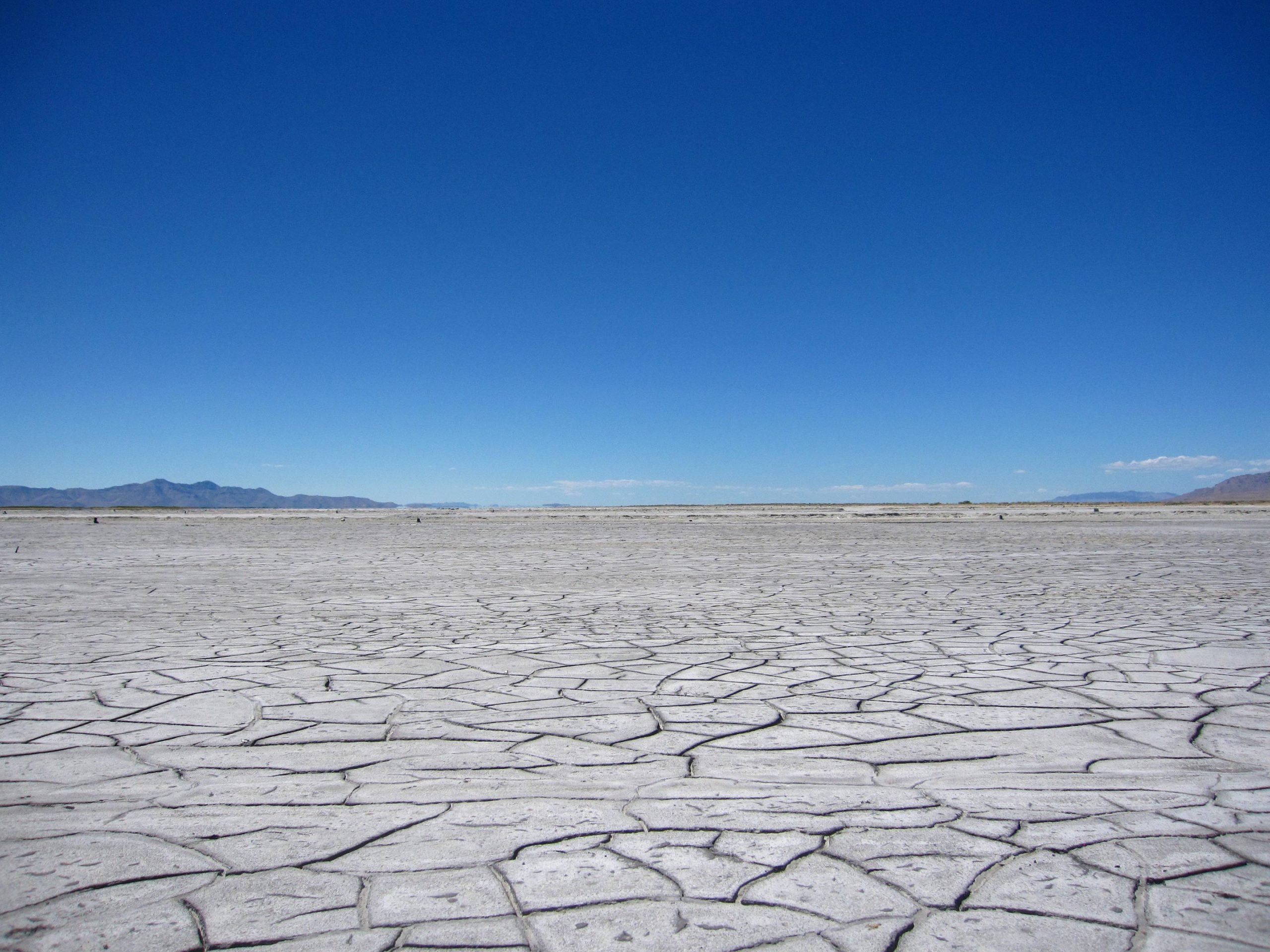
Research has revealed that the drying lake bed of the Great Salt Lake in Utah released 4.1 million tons of greenhouse gases in 2020.
This finding highlights the significant but often overlooked source of emissions from drying lake beds, exacerbated by human consumption and climate change. The research underscores the need for detailed examination of lake desiccation in climate change mitigation and planning efforts.
Drying Lakes and Greenhouse Gas Emissions
Newly announced research by Royal Ontario Museum (ROM) examining greenhouse gas emissions from the drying lake bed of Great Salt Lake, Utah, calculates that 4.1 million tons of carbon dioxide and other greenhouse gases were released in 2020. This research suggests that drying lake beds are an overlooked but potentially significant source of greenhouse gases, which may further increase due to climate change.
These results were announced in the paper, “A desiccating saline lake bed is a significant source of anthropogenic greenhouse gas emissions,” published today (July 25) in the journal One Earth.
The Impact of Human Activities on Great Salt Lake
“Human-caused desiccation of Great Salt Lake is exposing huge areas of lake bed and releasing massive quantities of greenhouse gases into the atmosphere,” said Soren Brothers, who led this research and is ROM’s Allan and Helaine Shiff Curator of Climate Change. “The significance of lake desiccation as a driver of climate change needs to be addressed in greater detail and considered in climate change mitigation and watershed planning.”
Variability and Human Impact on Great Salt Lake’s Water Levels
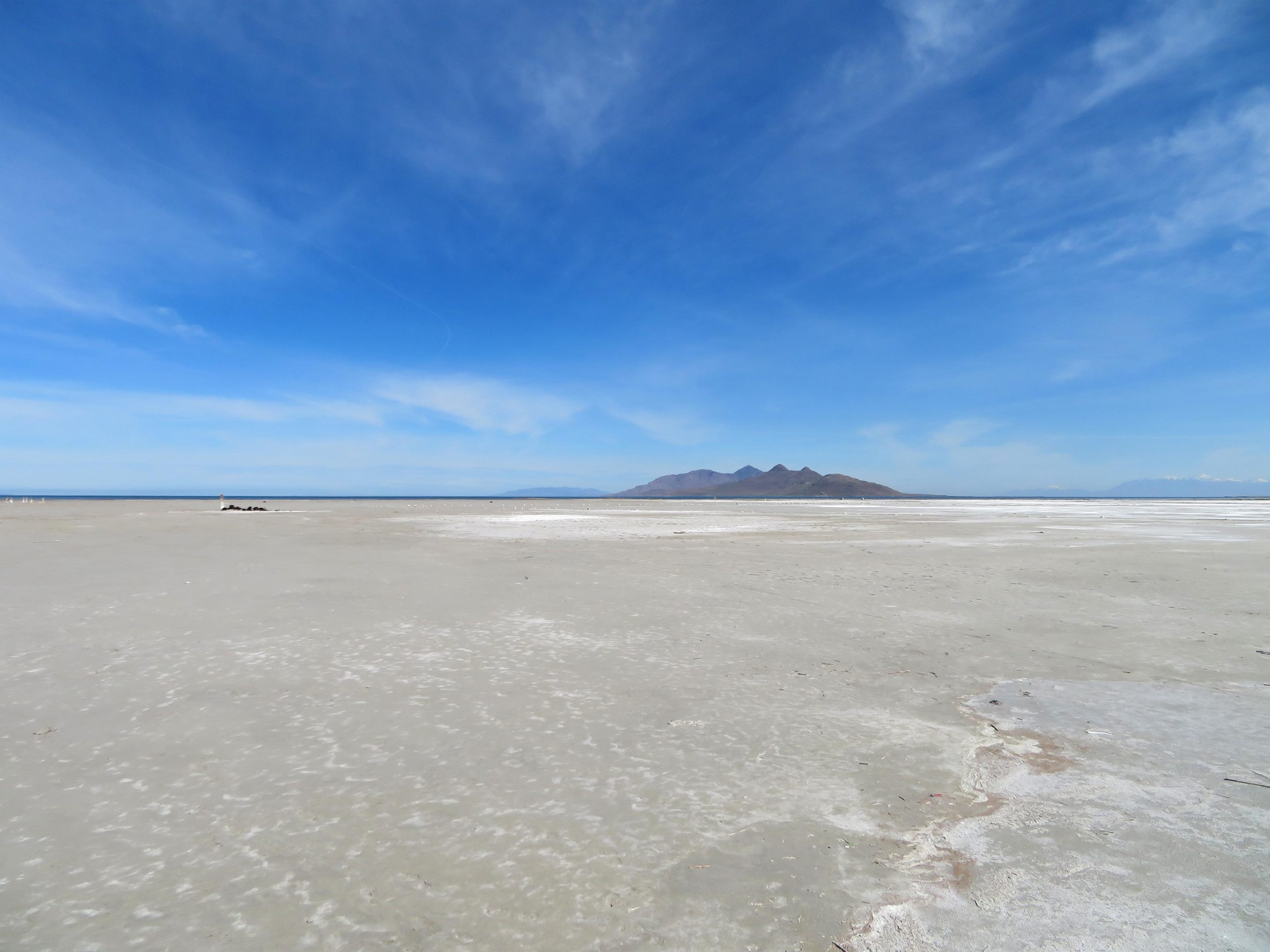
From year to year, Great Salt Lake’s water level varies, largely depending on the volume of meltwater that flows into the lake from the surrounding mountains — from record highs in the 1980s to a record low in 2022. However, it is human-related consumption by agriculture, industry, and municipal uses, that consume ever-increasing amounts of freshwater that, over the years, has depleted the lake.
Elsewhere around the world, these same competing uses for water are having a significant impact on lake levels. As iconic saline lakes such as the Aral Sea, Lake Urmia, the Caspian Sea, and Great Salt Lake dry up, they not only destroy critical habitat for biodiversity and create air quality conditions that deteriorate human health, but they also accelerate climate change as newly exposed sediments emit carbon dioxide and methane.
Field Measurements and Analysis of Lake Bed Emissions
The research team measured carbon dioxide and methane emissions from the exposed sediments of Great Salt Lake, Utah, from April to November 2020, and compared them with aquatic emissions estimates to determine the anthropogenic greenhouse gas emissions associated with desiccation. Calculations based on this sampling indicate the lake bed emitted 4.1 million tons of greenhouse gases to the atmosphere, primarily (94%) as carbon dioxide, constituting an approximately 7% increase to Utah’s human-caused greenhouse gas emissions.
Fieldwork was conducted while Soren Brothers was Assistant Professor of Limnology at Utah State University, and lead author, Melissa Cobo, was a master’s student at USU. Co-author Tobias Goldhammer is a collaborating researcher at the Leibniz Institute for Freshwater Research (IGB Institute) in Berlin, Germany.
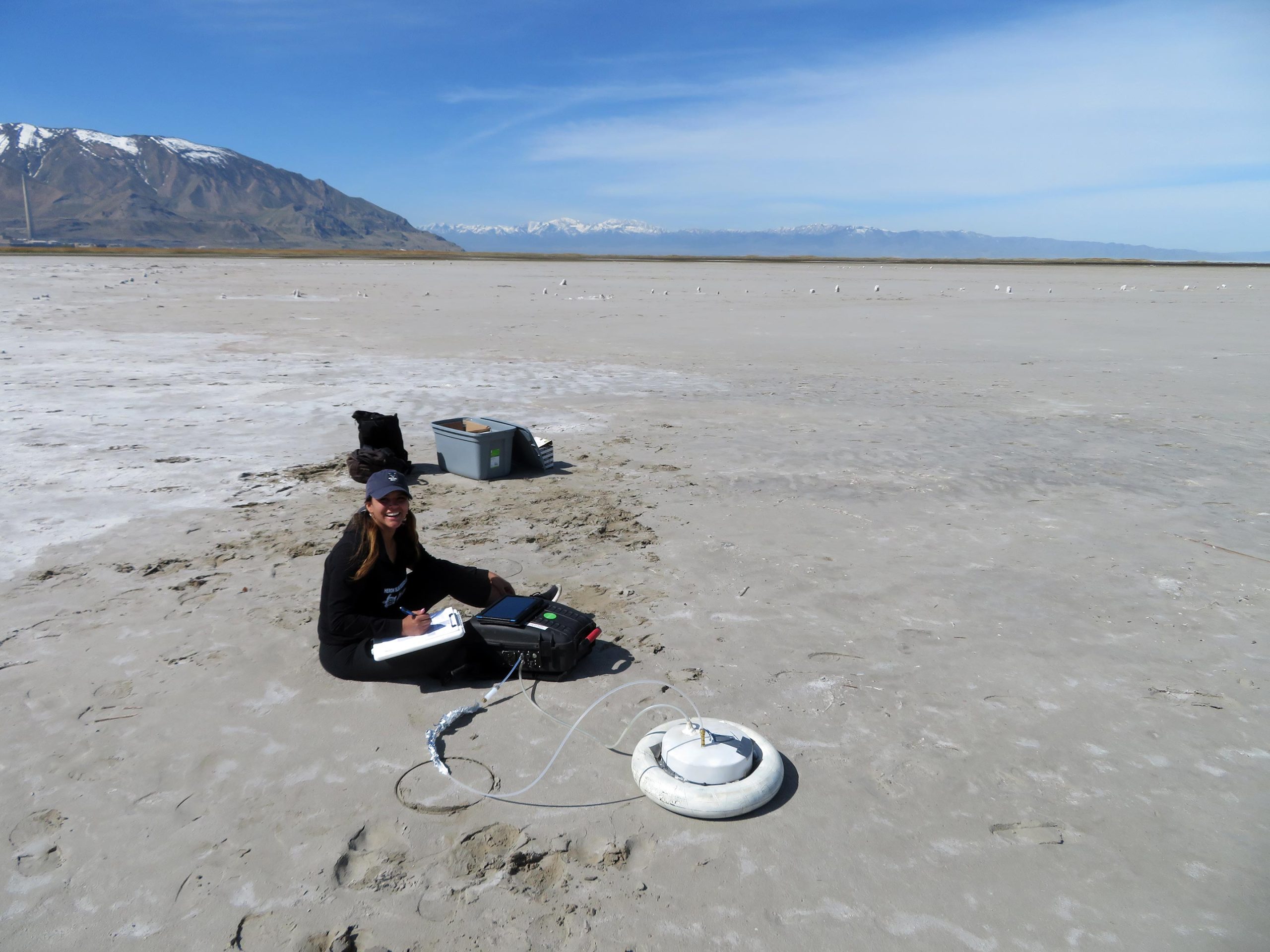
Measurements of carbon dioxide and methane gases were made every two weeks from the dried-up lake bed using a portable greenhouse gas analyzer attached to a closed chamber. Seven sites at one location at the south end of the lake were visited repeatedly over the course of the year, and another three locations were sampled during an intensive three-day campaign to determine spatial variability across the lake, which at 1,700 square miles (4,400 square kilometers) is the largest saline lake in the western hemisphere.
As methane is 28 times more powerful a greenhouse gas than carbon dioxide, the global warming impact of these emissions was calculated as “carbon dioxide equivalents” to account for the greater impact of methane. Ultimately, these data indicated that greenhouse gas emissions from the dried lake bed were strongly and positively related to warm temperatures, even at sites that have been exposed for over two decades.
To determine whether the lake historically would have been a significant source of greenhouse gases, the team carried out measurements of near-shore greenhouse gas emissions from the lake, as well as analyzing water chemistry collected by the team and government data sets. Together, these analyses showed that the original lake was not likely a significant source of greenhouse gases to the atmosphere, making the dried-up lake bed a novel driver of atmospheric warming.
Climate Change, Lake Desiccation, and Global Impact
As climate change exacerbates drought in arid regions, desiccation of rivers and lakes may be contributing to climate change feedback loops and should be considered in assessments of global greenhouse gas output as well as reduction policies and efforts.
Reference: “A desiccating saline lake bed is a significant source of anthropogenic greenhouse gas emissions” by Melissa Cobo, Tobias Goldhammer and Soren Brothers, 25 July 2024, One Earth.
DOI: 10.1016/j.oneear.2024.07.001
Never miss a breakthrough: Join the SciTechDaily newsletter.
Follow us on Google and Google News.