
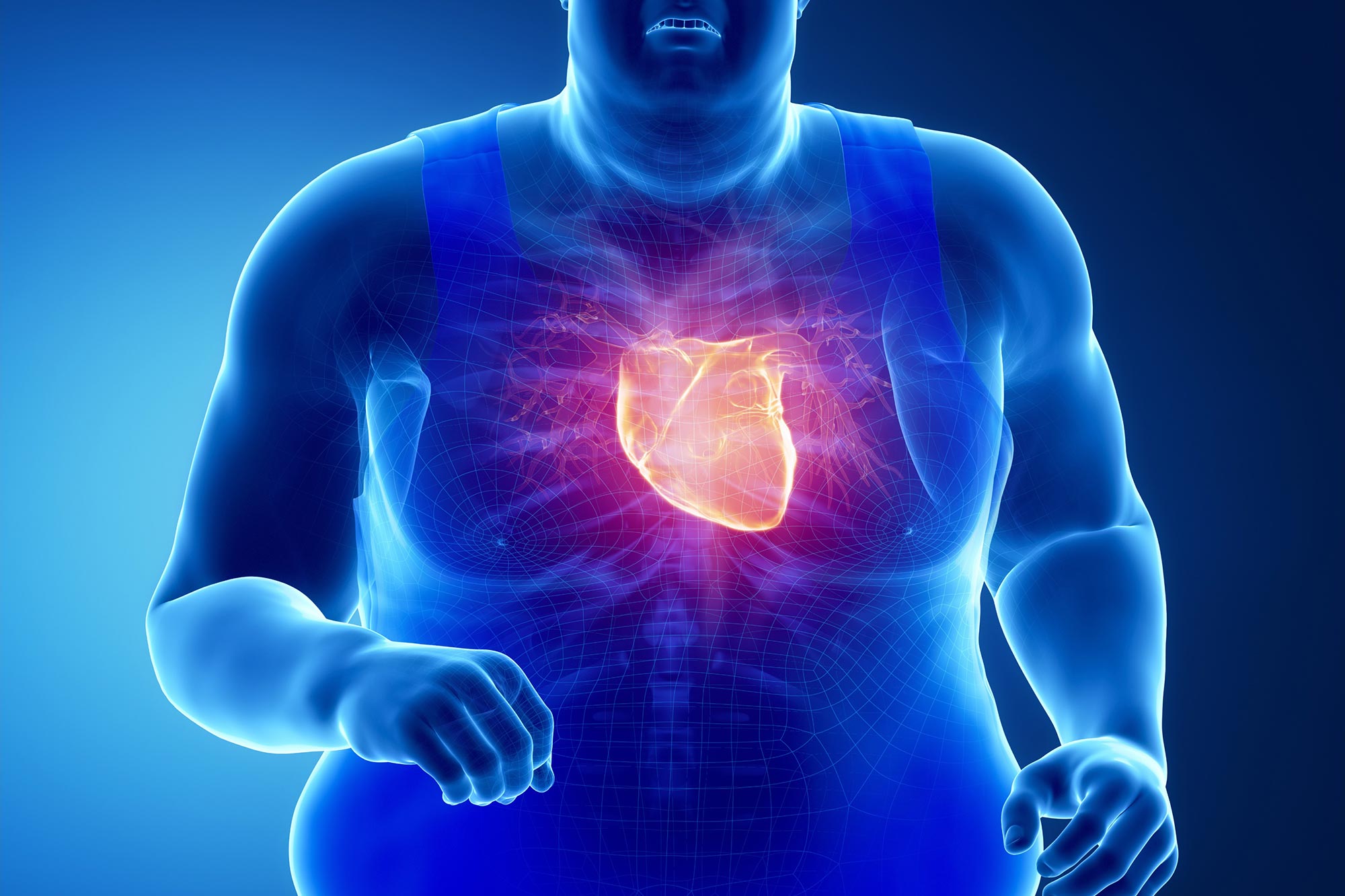
Women with disordered eating and low physical activity have higher visceral fat, increasing their risk of inflammation and cardiovascular diseases after menopause. Regular exercise and flexible eating habits together provide the most effective protection, while sleep was not a significant factor.
Researchers at the University of Jyväskylä’s Faculty of Sport and Health Sciences have found that women with disordered eating behaviors and low physical activity levels tend to have more central body fat and a higher risk of metabolic low-grade inflammation. This type of inflammation increases the likelihood of cardiovascular diseases, which become more common after menopause. However, a combination of regular exercise and healthy eating habits provides the best protection against inflammation and may also help reduce it after menopause.
As menopause progresses and estrogen levels decline, fat distribution in the body changes. Fat previously concentrated in the hips and thighs shifts to the midsection, accumulating as harmful visceral fat. This transition increases susceptibility to low-grade inflammation and significantly raises the risk of cardiovascular diseases after menopause.
The University of Jyväskylä study examined the relationship between health behaviors and low-grade inflammation. In this study, health behaviors included sleep patterns, diet, physical activity, and related disorders. Disordered eating behaviors, for example, involve restrictive eating patterns driven by a desire to control weight or body shape. Individuals with these behaviors may have a distorted perception of what they should eat or how their body should look.
Visceral Fat and Its Role in Inflammation
“In line with previous studies, a higher amount of visceral fat was, as expected, associated with low-grade inflammation,” says Hannamari Lankila, a doctoral researcher at the Faculty of Sport and Health Sciences. “Visceral fat accumulated in the midsection secretes cytokines that increase inflammation, and this can increase the risk of metabolic diseases.”
The results show that those individuals who exhibit more disordered eating behavior, as well as those who were physically less active, had more visceral fat, and thus the risk of low-grade inflammation was also higher.
When eating and physical activity behaviors were examined together, higher physical activity was associated with lower visceral fat, especially in those women who did not display disordered eating behavior.
“The connection was weaker, meaning that the protective effect of even a high amount of exercise was less if the individual had eating-related difficulties,” Lankila continues. “Surprisingly, sleep was not a significant factor in this equation.”
Health Behaviors and Menopause
Previous research has shown that both exercise and various diets and foods are associated with low-grade inflammation to some extent, but the combined effects of health behaviors during menopause have not previously been studied. The menopause phase is significant, however, as women live more than a third of their lives after menopause on average. During this period, the risk of metabolic and cardiovascular diseases increases significantly.
The study highlighted the link between visceral fat and inflammation, especially in women with low physical activity. Both physical activity and flexible eating behavior can help reduce visceral fat, but the effect is likely to be more effective when the two are combined.
“It’s good to remember that even after menopause, it is possible to reduce the accumulation of harmful visceral fat and thus prevent metabolic and cardiovascular diseases that may result from it,” Lankila concludes.
The study also assessed sleep duration and perceived sleep quality as well as physical activity with the help of self-report questionnaires. Eating behavior was assessed with the Eating Disorder Examination Questionnaire (EDE-Q), which consisted of 28 questions. The questionnaire can be used to assess whether a person restricts their eating and whether they have specific concerns about their eating, weight, or body shape. In addition, the participants’ age, income level, and use of menopausal hormone therapy were considered.
Reference: “A mediating role of visceral adipose tissue on the association of health behaviours and metabolic inflammation in menopause: a population-based cross-sectional study” by Hannamari Lankila, Tiia Kekäläinen, Enni-Maria Hietavala and Eija K. Laakkonen, 15 January 2025, Scientific Reports.
DOI: 10.1038/s41598-025-85134-8
The study is part of the larger EsmiRs study (Estrogen, microRNAs, and the risk of metabolic dysfunctions), which was carried out from 2018 to 2022 at the Gerontology Research Center (GEREC) at the Faculty of Sport and Health Sciences, University of Jyväskylä. The study participants were women living in Central Finland between the ages of 51 and 59. The study was funded by the Academy of Finland and the Juho Vainio Foundation.
Never miss a breakthrough: Join the SciTechDaily newsletter.
Follow us on Google and Google News.