
Close Menu
    Facebook X (Twitter) Instagram
    SciTechDaily
    • Biology
    • Chemistry
    • Earth
    • Health
    • Physics
    • Science
    • Space
    • Technology
    Facebook X (Twitter) Pinterest YouTube RSS
    SciTechDaily
    Home»Technology»The Limits of AI: Why ChatGPT Isn’t Truly “Intelligent”
    Technology

    The Limits of AI: Why ChatGPT Isn’t Truly “Intelligent”

    By University of CincinnatiNovember 21, 20231 Comment3 Mins Read
    Facebook Twitter Pinterest Telegram LinkedIn WhatsApp Email Reddit
    Share
    Facebook Twitter LinkedIn Pinterest Telegram Email Reddit
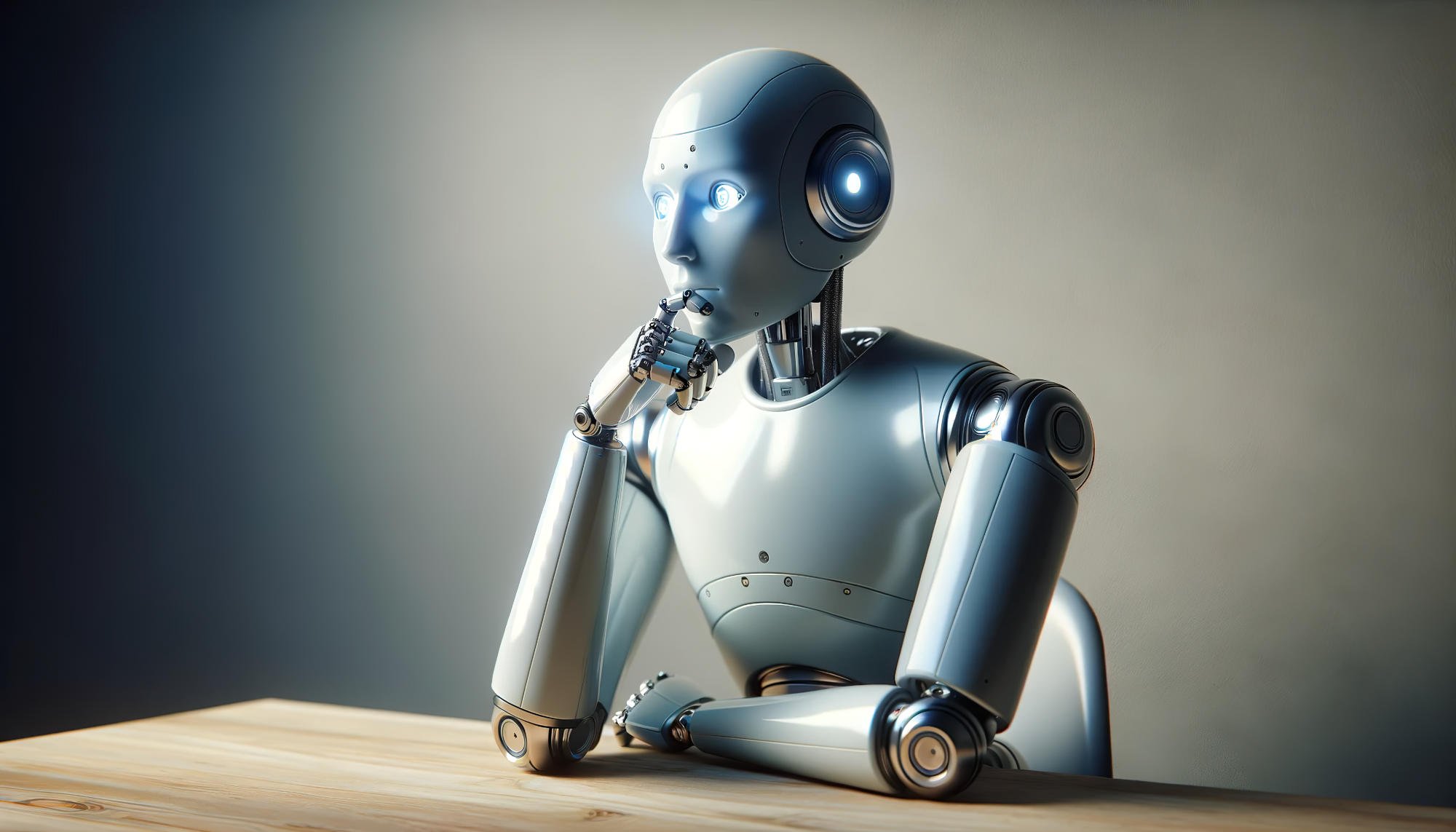
    Artificial Intelligence Robot Thinking Desk
    A new paper argues that AI’s intelligence, as seen in systems like ChatGPT, is fundamentally different from human intelligence due to its lack of embodiment and understanding. This difference highlights that AI does not share human concerns or connections with the world.

    A recent paper by UC’s Anthony Chemero explains AI thinking as opposed to human thinking.

    The rise of artificial intelligence has elicited varied responses from technology executives, government officials, and the general public. Many are enthusiastic about AI technologies like ChatGPT, viewing them as beneficial tools with the capacity to revolutionize society.

    However, there is also a sense of concern among some, who fear that any technology described as “intelligent” might possess the capability to surpass human control and dominance.

    AI’s Distinct Nature from Human Intelligence

    The University of Cincinnati’s Anthony Chemero, a professor of philosophy and psychology in the UC College of Arts and Sciences, contends that the understanding of AI is muddled by linguistics: That while indeed intelligent, AI cannot be intelligent in the way that humans are, even though “it can lie and BS like its maker.”

    Anthony Chemero
    Anthony Chemero, distinguished research professor of philosophy and psychology at the University of Cincinnati. Credit: Andrew Higley/UC Marketing + Brand

    According to our everyday use of the word, AI is definitely intelligent, but there are intelligent computers and have been for years, Chemero explains in a paper he co-authored in the journal Nature Human Behaviour.

    Characteristics and Limitations of AI

    To begin, the paper states that ChatGPT and other AI systems are large language models (LLM), trained on massive amounts of data mined from the internet, much of which shares the biases of the people who post the data.

    “LLMs generate impressive text, but often make things up whole cloth,” he states. “They learn to produce grammatical sentences, but require much, much more training than humans get. They don’t actually know what the things they say mean,” he says. “LLMs differ from human cognition because they are not embodied.”

    The people who made LLMs call it “hallucinating” when they make things up; although Chemero says, “it would be better to call it ‘bullsh*tting,’” because LLMs just make sentences by repeatedly adding the most statistically likely next word — and they don’t know or care whether what they say is true.

    And with a little prodding, he says, one can get an AI tool to say “nasty things that are racist, sexist, and otherwise biased.” 

    The Human Element in Intelligence

    The intent of Chemero’s paper is to stress that the LLMs are not intelligent in the way humans are intelligent because humans are embodied: Living beings who are always surrounded by other humans and material and cultural environments.

    “This makes us care about our own survival and the world we live in,” he says, noting that LLMs aren’t really in the world and don’t care about anything.  

    The main takeaway is that LLMs are not intelligent in the way that humans are because they “don’t give a damn,” Chemero says, adding “Things matter to us. We are committed to our survival. We care about the world we live in.”

    Reference: “LLMs differ from human cognition because they are not embodied” by Anthony Chemero, 20 November 2023, Nature Human Behaviour.
    DOI: 10.1038/s41562-023-01723-5

    Never miss a breakthrough: Join the SciTechDaily newsletter.
    Follow us on Google and Google News.

    Artificial Intelligence ChatGPT Computer Science Intelligence University of Cincinnati
    Share. Facebook Twitter Pinterest LinkedIn Email Reddit

    Related Articles

    Cambridge Study: AI Chatbots Have an “Empathy Gap,” and It Could Be Dangerous

    AI Ethics Surpass Human Judgment in New Moral Turing Test

    Revolutionizing AI With the Power of Energy Efficiency

    Will Artificial Intelligence Soon Become Conscious?

    The Future of Machine Learning: A New Breakthrough Technique

    Scientists Reveal Why Using ChatGPT To Message Your Friends Isn’t a Good Idea

    New Tool Detects ChatGPT-Generated Academic Text With 99% Accuracy

    Humans Reign Supreme: ChatGPT Falls Short on Accounting Exams

    New Study: ChatGPT Can Influence Users’ Moral Judgments

    1 Comment

    1. Ralph Johnson on November 22, 2023 6:29 am

      The theory of AI having constraints of a physical boundary it faces having no expenditures sending a thought process in to evolving evolution to have movement to act an appendage. AI needs to have a understanding how lights and contactors and switches etc. can be used to have a more physical presents to move around interact.

      Reply
    Leave A Reply Cancel Reply

    • Facebook
    • Twitter
    • Pinterest
    • YouTube

    Don't Miss a Discovery

    Subscribe for the Latest in Science & Tech!

    Trending News

    Just a Few Breathless Minutes a Day Could Slash Your Risk of 8 Major Diseases

    This Simple Habit Could Cut Your Risk of Dementia by 30%

    Scientists Debunk Rattlesnake Myth That Fooled Hikers and Doctors for Decades

    Scientists Discover Plants Can “Count” – and May Be Smarter Than We Thought

    New Research Reveals Ancient Mars May Have Been Warm, Wet – and Possibly Alive

    This Surprising Daily Habit Could Cut Dementia Risk by 35%

    Just 10 Minutes a Day: Scientists Say This Ancient Chinese Practice Shows Powerful Blood Pressure Benefits

    Scientists Say This Popular Food Could Help Your Body Get Rid of Microplastics

    Follow SciTechDaily
    • Facebook
    • Twitter
    • YouTube
    • Pinterest
    • Newsletter
    • RSS
    SciTech News
    • Biology News
    • Chemistry News
    • Earth News
    • Health News
    • Physics News
    • Science News
    • Space News
    • Technology News
    Recent Posts
    • NASA’s Artemis II Cleared for Moon Flight As Orion Prepares for Critical Engine Burn
    • NASA Artemis II Crew Scrambles To Fix Unexpected Toilet Failure in Space
    • Surviving Burns May Have Changed Human Evolution
    • Scientists Discover Hidden “Footprint of Death” That Could Transform How We Fight Disease
    • Blood-Sucking Parasites Could Revolutionize Treatment for Autoimmune Diseases
    Copyright © 1998 - 2026 SciTechDaily. All Rights Reserved.
    • Science News
    • About
    • Contact
    • Editorial Board
    • Privacy Policy
    • Terms of Use

    Type above and press Enter to search. Press Esc to cancel.