

The shortfin mako shark is on the brink of extinction due to overfishing, yet genetic analysis reveals that Atlantic populations still maintain high diversity. A new study highlights the urgent need to stop overfishing and protect the ocean’s fastest shark as it struggles to survive in a changing climate.
Shortfin makos are the fastest sharks in the sea, yet they are unable to outpace the relentless overfishing driving them toward extinction. Global demand for their meat and highly valuable fins has placed this predator on the International Union for Conservation of Nature’s (IUCN) endangered list and Appendix II of the Convention on Trade in Endangered Species of Wild Fauna and Flora (CITES).
The situation for shortfin mako sharks in the Atlantic Ocean is particularly dire. Populations are currently managed as two assumed separate stocks, with fishery-based assessments indicating that Northern Atlantic mako sharks are overfished.
Independent scientific surveys, using data from satellite tags deployed on shortfin makos, suggest that fishing mortality may be up to 10 times higher than previous fisheries models estimated. With extreme pressure from international fisheries, two critical questions arise: Has the genetic health and adaptive potential of shortfin makos been compromised? And is the current fisheries management strategy, based on two separate populations, supported by scientific evidence?
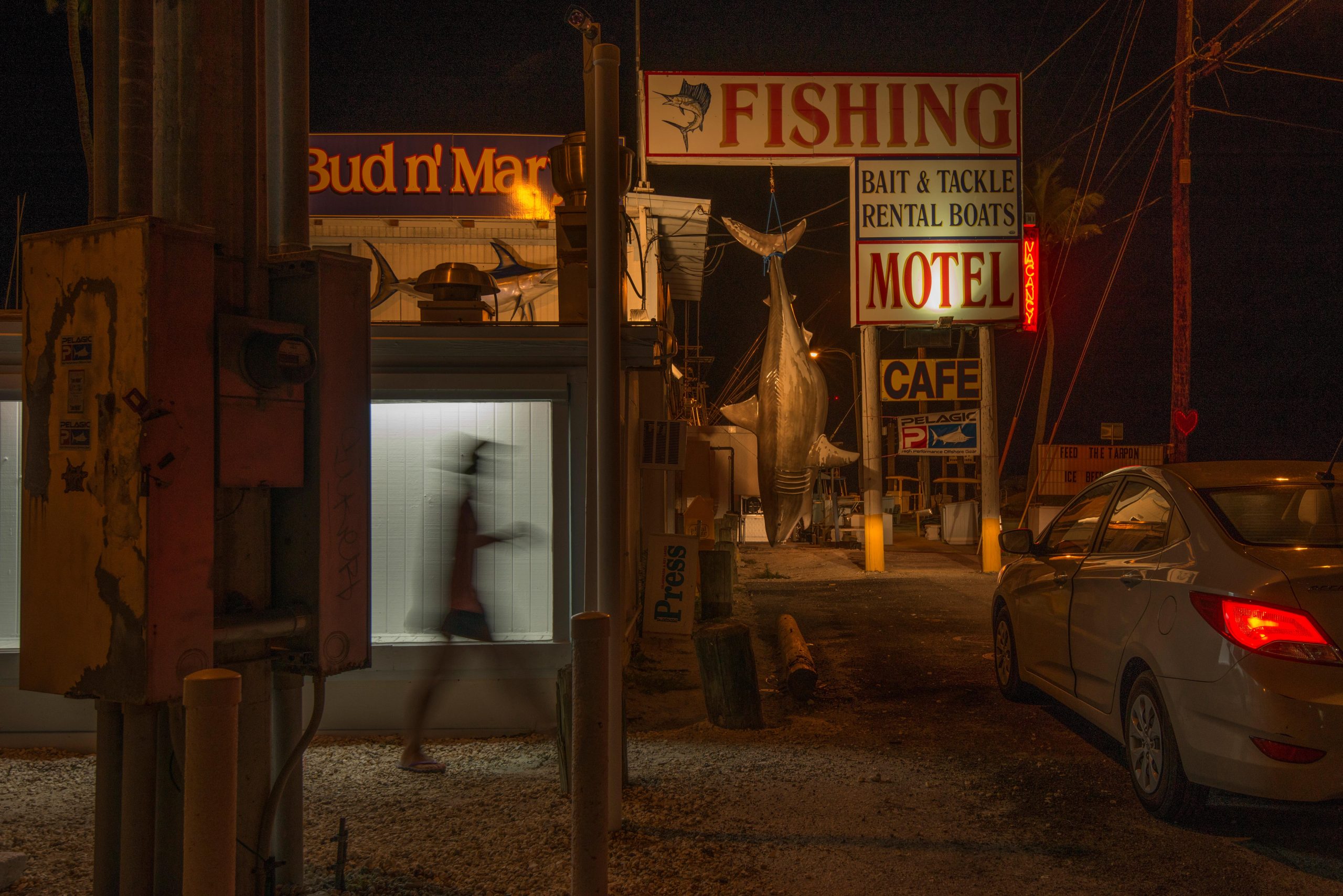
Groundbreaking Genetic Research
A team of scientists led by Dr Andrea Bernard and Professor Mahmood Shivji from the Save Our Seas Foundation Shark Research Center (SOSF-SRC) and Guy Harvey Institute at Nova Eastern University, USA, has published its answers in a paper in the journal Environmental Applications.
The scientists have for the first time sequenced entire genomes for mitochondrial DNA and conducted high-resolution scans across the nuclear genomes of shortfin makos from nearly the entire distribution of this species in the Atlantic Ocean.
These genomic assessments have discovered a potential lifeline that should add urgency to curbing overfishing. ‘Despite decades of fishing pressure, shortfin mako sharks in the Atlantic Ocean still show a (relatively) high level of genetic diversity,’ explains Professor Shivji. ‘Genetic diversity in a population is what allows species to adapt to environmental change, or to survive catastrophes.’ While overfishing is the single greatest threat to sharks worldwide, many species remain vulnerable to complex and compounding additional threats like habitat loss, deep-sea mining, pollution, and our changing climate.
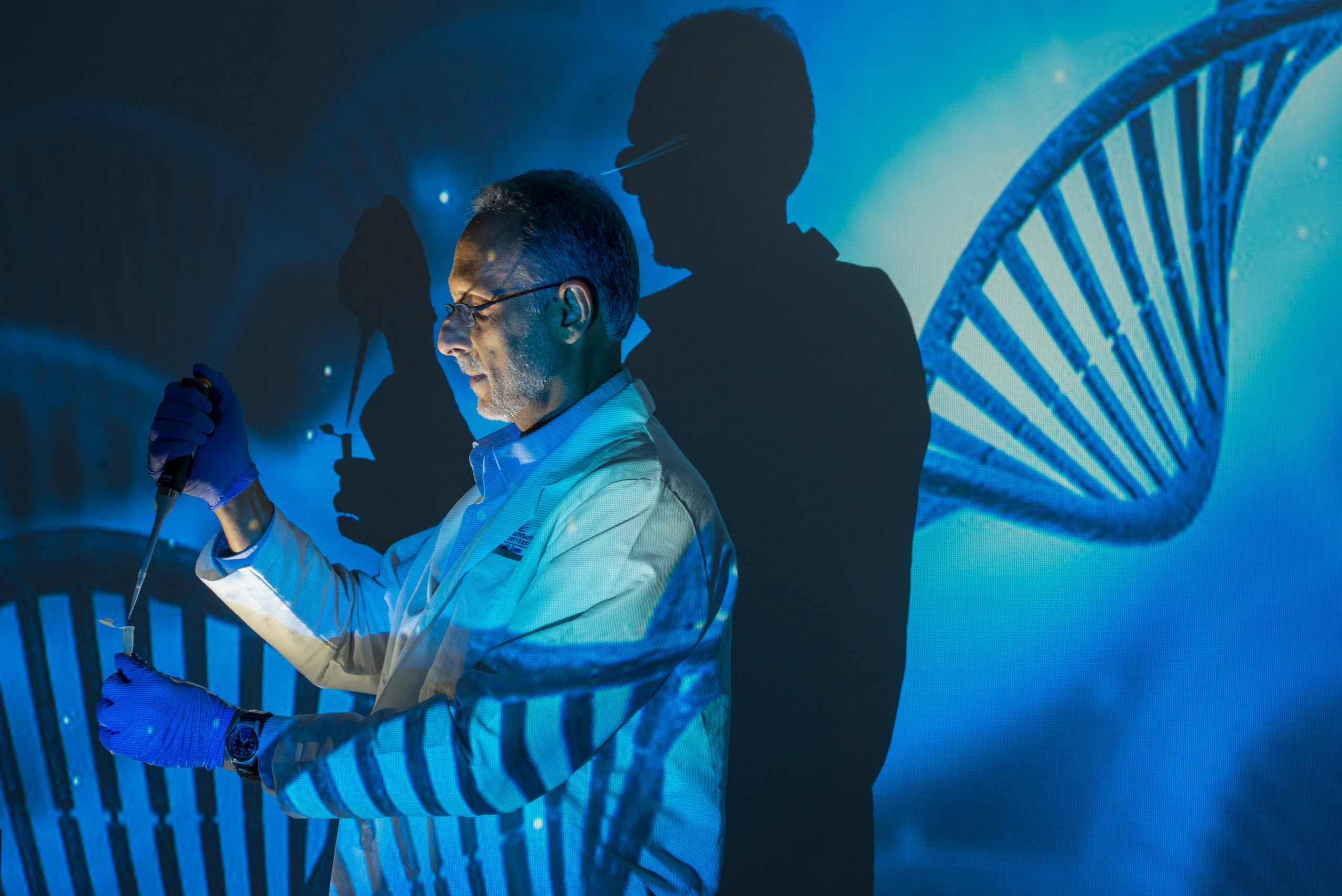
‘We were rather surprised, but also pleased, to see that the genetic health of shortfin makos does not appear to have been severely compromised – yet – by the population reductions caused by overfishing,’ says Professor Shivji. ‘That means that if we can prevent further erosion of this genetic diversity in shortfin mako sharks by urgently curbing overfishing, we have more hope for this species to retain the resilience needed for its populations to adapt to our fast-changing climate and survive.’
He goes on to caution, ‘Typically, in most of the exploited shark species we study we see pretty low diversity.’ Such is the case for the critically endangered great hammerhead shark, another species being fished to the edge of existence, but whose vulnerability to being tipped into extinction is higher because it lacks the diversity to adapt to our rapidly changing climate.

Genetic Insights into Mako Shark Movement
The scientists also hypothesized that nomadic sharks like makos, which have been tracked making extraordinary journeys across oceans, would mix freely, hampered by few genetic barriers. And that is exactly what the research team found from the high-resolution scans made of shortfin mako nuclear DNA.
Nuclear DNA is inherited from both parents, and it suggests that male shortfin mako sharks are indeed ranging across the Atlantic and spreading their genes widely. ‘Female mako sharks, which get even larger than males, are quite capable of also making these large-scale journeys,’ says Professor Shivji. ‘But when we look at the mitochondrial DNA – the genetic material inherited only from mothers – we see a contrasting picture.’
The mitochondrial genome sequences show matrilineal genetic structure for northern and southern hemisphere populations. That’s scientific-speak for the populations in each hemisphere being genetically distinct from each other. In fact, the results suggest that although female shortfin makos may well be as wide-ranging as their male counterparts, they return to key sites in one hemisphere to pup. And if we’re to protect this important genetic diversity, the management of two distinct Atlantic populations – the northern Atlantic and southern Atlantic shortfin mako sharks – is now backed by this high-resolution genetic information.
Reference: “Connections Across Open Water: A Bi-Organelle, Genomics-Scale Assessment of Atlantic-Wide Population Dynamics in a Pelagic, Endangered Apex Predator Shark (Isurus oxyrinchus)” by Andrea M. Bernard, Marissa R. Mehlrose, Kimberly A. Finnegan, Bradley M. Wetherbee and Mahmood S. Shivji, 22 January 2025, Evolutionary Applications.
DOI: 10.1111/eva.70071
Never miss a breakthrough: Join the SciTechDaily newsletter.
Follow us on Google and Google News.