
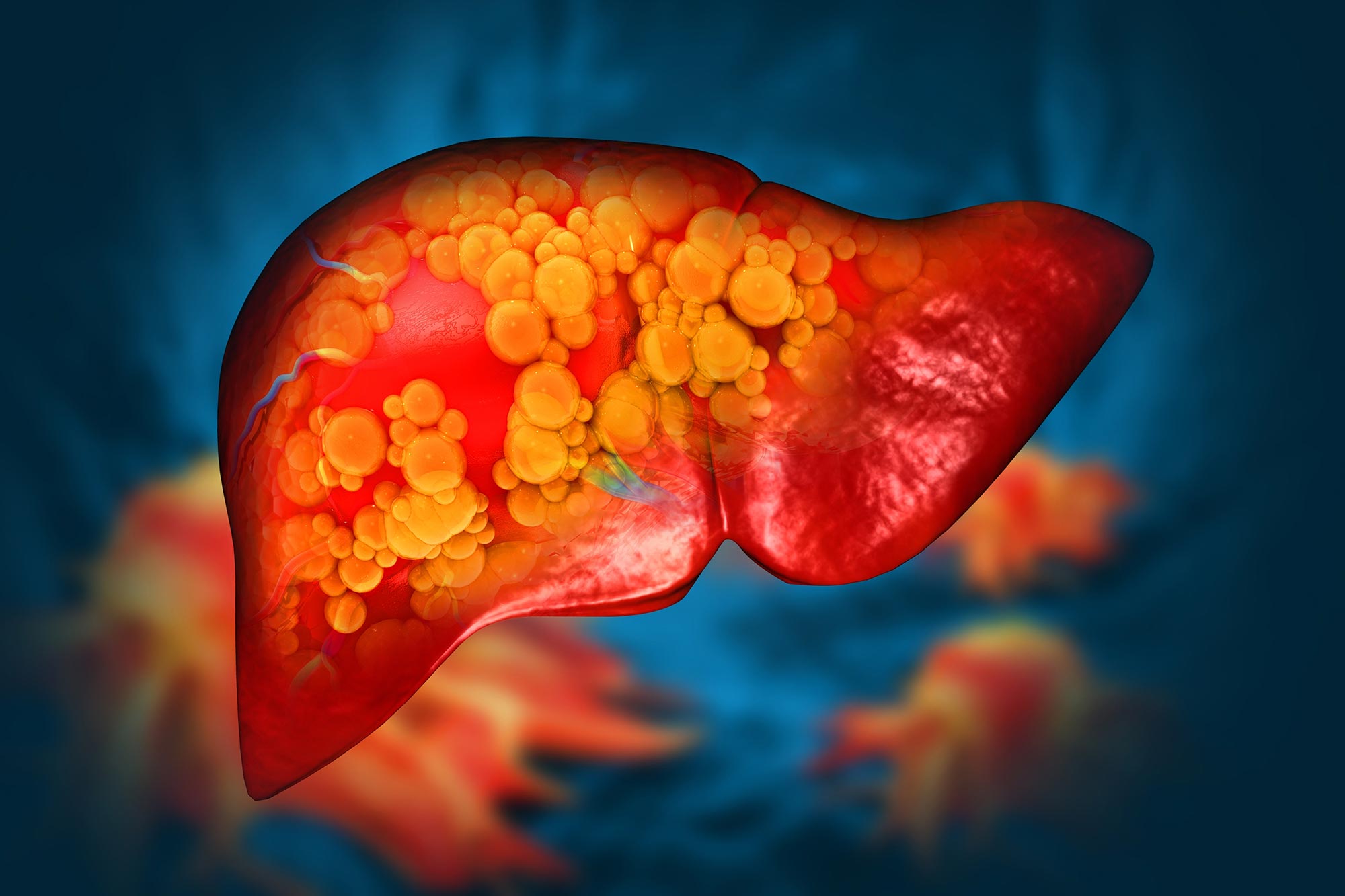
Alcohol hijacks the body’s sugar metabolism, producing internal fructose that reinforces addiction and liver damage. Blocking this process may help treat both alcohol use disorder and liver disease.
Scientists have discovered a surprising biological link between how the body processes sugar and how it responds to alcohol. The finding points to a possible new treatment strategy for alcohol-associated liver disease (ALD) and alcohol use disorder (AUD).
In research published today (November 10) in Nature Metabolism, a team at the University of Colorado Anschutz found that drinking alcohol activates a metabolic pathway that causes the body to generate its own fructose. Fructose is the same type of sugar found in sweetened foods and drinks. This internal sugar production, driven by an enzyme called ketohexokinase (KHK), appears to encourage further alcohol consumption while also speeding up liver injury.
Blocking KHK Reduces Drinking and Protects the Liver
The scientists observed that mice lacking KHK showed a striking decline in alcohol preference and intake. Across multiple experiments—including voluntary drinking and reward-based models—these mice consumed less alcohol and showed reduced brain activity in regions linked to addictive behavior.
Even more notably, when KHK was blocked through either genetics or medication, alcohol-related liver injury was virtually eliminated. The livers of these mice showed less fat buildup, inflammation, and scarring. The results suggest that disrupting fructose metabolism may not only stop but possibly prevent the progression of alcohol-related liver disease.
“Our findings show that alcohol doesn’t just damage the liver directly, it hijacks the body’s sugar metabolism in a way that enhances drinking behavior and worsens liver injury,” said Miguel A. Lanaspa, DVM, PhD, associate research professor at CU Anschutz and senior author. “By targeting fructose metabolism, we may be able to break this cycle and develop new treatments for both alcohol addiction and liver disease.”
Shared Pathways Between Sugar and Alcohol Damage
Because both alcohol-associated liver disease and metabolic dysfunction-associated steatotic liver disease (MASLD) involve fructose-driven processes, the study indicates that therapies aimed at blocking fructose metabolism could help a wide range of patients with liver problems connected to alcohol or diet.
“This discovery highlights an unexpected intersection between sugar and alcohol metabolism,” said Richard Johnson, MD, professor at CU Anschutz and study co-author. “It opens exciting possibilities for developing treatments that target a common pathway underlying both metabolic and alcohol-related liver diseases.”
Overall, the findings reveal a promising new avenue for treating alcohol addiction and liver disease, two health challenges that currently have limited effective therapies.
Reference: “Identification of a common ketohexokinase-dependent link driving alcohol intake and alcohol-associated liver disease in mice” by Ana Andres-Hernando, David J. Orlicky, Gabriela E. Garcia, Esteban C. Loetz, Richard Montoya, Vijay Kumar, Devin P. Effinger, Masanari Kuwabara, So Young Bae, Laura Lorenzo-Rebenaque, Elena Fauste, Richard L. Bell, Nicholas Grahame, Suthat Liangpunsakul, Hahn Kim, Sundeep Dugar, Paul Maffuid, Takahiko Nakagawa, Michael F. Wempe, J. Mark Petrash, Dean R. Tolan, Sondra T. Bland, Richard J. Johnson and Miguel A. Lanaspa, 10 November 2025, Nature Metabolism.
DOI: 10.1038/s42255-025-01402-x
Never miss a breakthrough: Join the SciTechDaily newsletter.
Follow us on Google and Google News.