
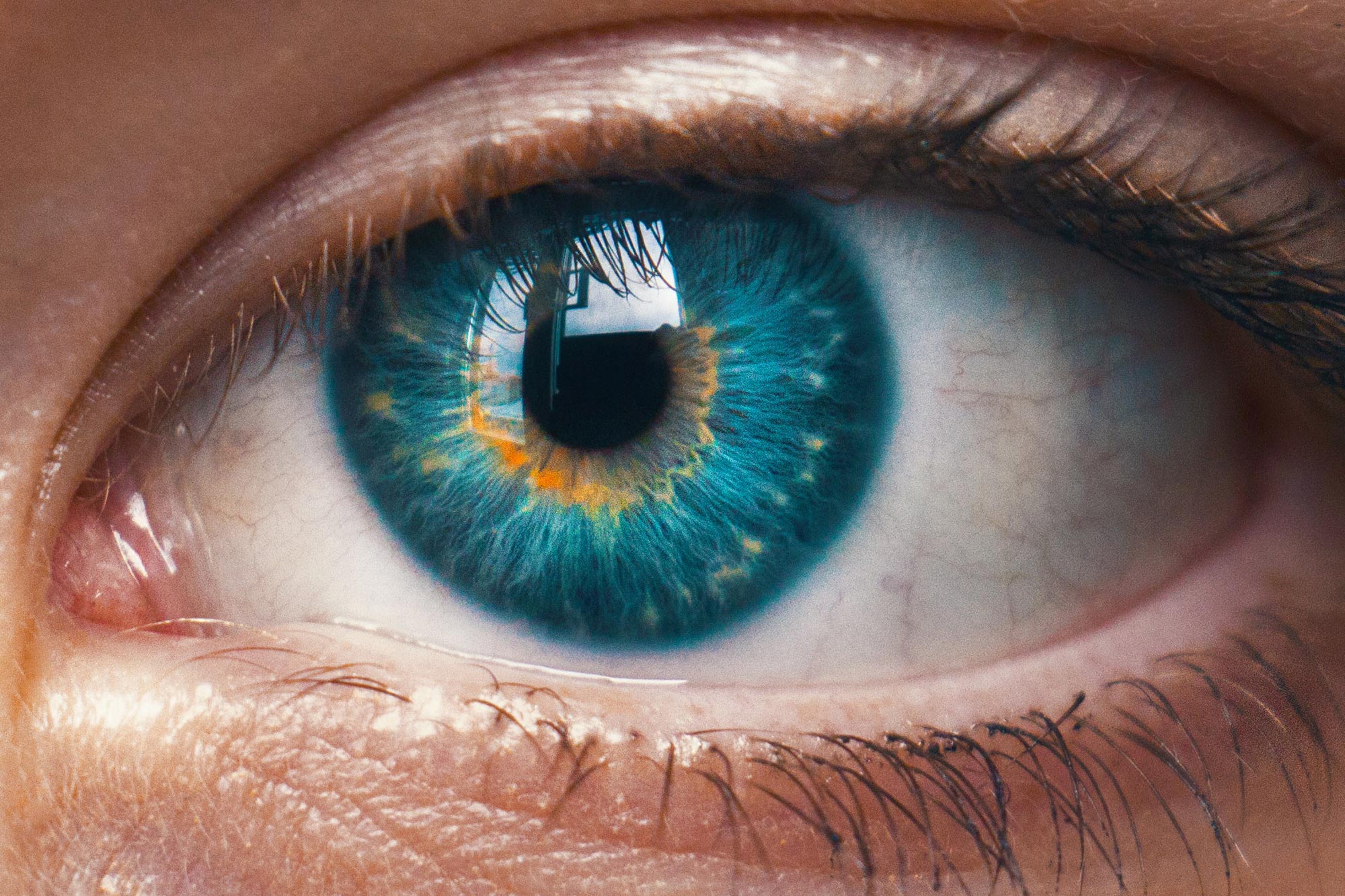
A study from Cornell University shows how pupils’ contraction and dilation during sleep stages indicate the consolidation of new and old memories, offering insights that could revolutionize memory enhancement methods and advance artificial intelligence.
Cornell University researchers have discovered that the pupil plays a crucial role in understanding how and when the brain creates strong, lasting memories.
Using mice outfitted with brain electrodes and tiny eye-tracking cameras, the team found that new memories are replayed and consolidated during a specific substage of non-REM sleep, when the pupil contracts. When the pupil dilates, the brain revisits and strengthens older memories. This ability to distinguish between these two substages of sleep, governed by a newly identified micro-structure, prevents “catastrophic forgetting” — the loss of older memories as new ones are formed.
Applications in Human and AI Learning
These insights could pave the way for improved memory enhancement techniques in humans and help computer scientists design more efficient artificial neural networks. The research, published on January 1 in Nature, was led by assistant professors Azahara Oliva and Antonio Fernandez-Ruiz.
Over the course of a month, a group of mice was taught a variety of tasks, such as collecting water or cookie rewards in a maze. Then the mice were outfitted with brain electrodes and tiny spy cameras that hung in front of their eyes to track their pupil dynamics. One day, the mice learned a new task and when they fell asleep, the electrodes captured their neural activity and the cameras recorded the changes to their pupils.
“Non-REM sleep is when the actual memory consolidation happens, and these moments are very, very short periods of time undetectable by humans, like 100 milliseconds,” Oliva said. “How does the brain distribute these screenings of memory that are very fast and very short throughout the overall night? And how does that separate the new knowledge coming in, in a way that it doesn’t interfere with old knowledge that we already have in our minds?”
The Temporal Dance of Memory
The recordings showed that the temporal structure of sleeping mice is more varied, and more akin to the sleep stages in humans, than previously thought. By interrupting the mice’s sleep at different moments and later testing how well they recalled their learned tasks, the researchers were able to parse the processes. When a mouse enters a substage of non-REM sleep, its pupil shrinks, and it’s here the recently learned tasks – i.e., the new memories – are being reactivated and consolidated while previous knowledge is not. Conversely, older memories are replayed and integrated when the pupil is dilated.
“It’s like new learning, old knowledge, new learning, old knowledge, and that is fluctuating slowly throughout the sleep,” Oliva said. “We are proposing that the brain has this intermediate timescale that separates the new learning from the old knowledge.”
Reference: “Sleep microstructure organizes memory replay” by Hongyu Chang, Wenbo Tang, Annabella M. Wulf, Thokozile Nyasulu, Madison E. Wolf, Antonio Fernandez-Ruiz and Azahara Oliva, 1 January 2025, Nature.
DOI: 10.1038/s41586-024-08340-w
The research was supported by the National Institutes of Health, the Sloan Foundation, the Whitehall Foundation, the Klingenstein-Simons Fellowship Program, and the Klarman Fellowships Program.
Never miss a breakthrough: Join the SciTechDaily newsletter.
Follow us on Google and Google News.
2 Comments
So if one has had their eyes removed from disease or injury is their memory affected?
Baesher awan