
A breakthrough in sequencing the chia genome opens new avenues for nutritional science and health research, highlighting the plant’s potential in pharmaceutical applications and agricultural innovation.
Oregon State University scientists have sequenced the chia genome and in doing so provided a blueprint for future research that capitalizes on the nutritional and human health benefits of the plant.
Enhanced Nutritional and Pharmaceutical Prospects
In the just-published paper, the researchers identified chia genes associated with improving nutrition and sought-after properties for pharmaceuticals that could be used to treat everything from cancer to high blood pressure. The seeds of the chia plant have received widespread attention in recent years because of the nutritional punch they pack.
A Deeper Molecular Understanding
Others have sequenced the chia genome, but this paper provides a more detailed look at the molecular level and the potential of genetic data mining with a keen focus on human health applications.
“This research opens up possibilities for scientists to study chia seed through the lens of improving human health while at the same time continuing to further our knowledge of all the nutritional benefits of chia,” said Pankaj Jaiswal, a professor in the Department of Botany and Plant Pathology in the College or Agricultural Sciences at Oregon State.
Potential Growth in Oregon and Beyond
The researchers are also hopeful that the findings will spur interest in growing chia in Oregon, where they say climate conditions are similar to those in the regions of South America where chia is primarily grown. Researchers at the University of Kentucky have helped spur chia seed growing in that state.
Revolutionizing Minor Crops
Chia is considered an orphan or minor crop that has traditionally not received attention from scientists like rice, wheat, and maize, all of which contributed to last century’s Green Revolution that mitigated global hunger and saved millions of lives.
“Now we are at the point where long-term food and nutrition security requires diversifying the human diet by breeding and making genetic improvement to nutrient-rich, so-called minor crops like chia,” said Sushma Naithani, an associate professor, senior research in the Department of Botany and Plant Pathology.
In recent years, global demand for nutrient-rich so-called orphan crops such as chia, millets, and yam has increased, the researchers note. Beyond their nutritional value, they are important because they can often grow on marginal land unsuitable for many traditional grain crops, an important asset in mitigating climate change.
Nutritional Powerhouse
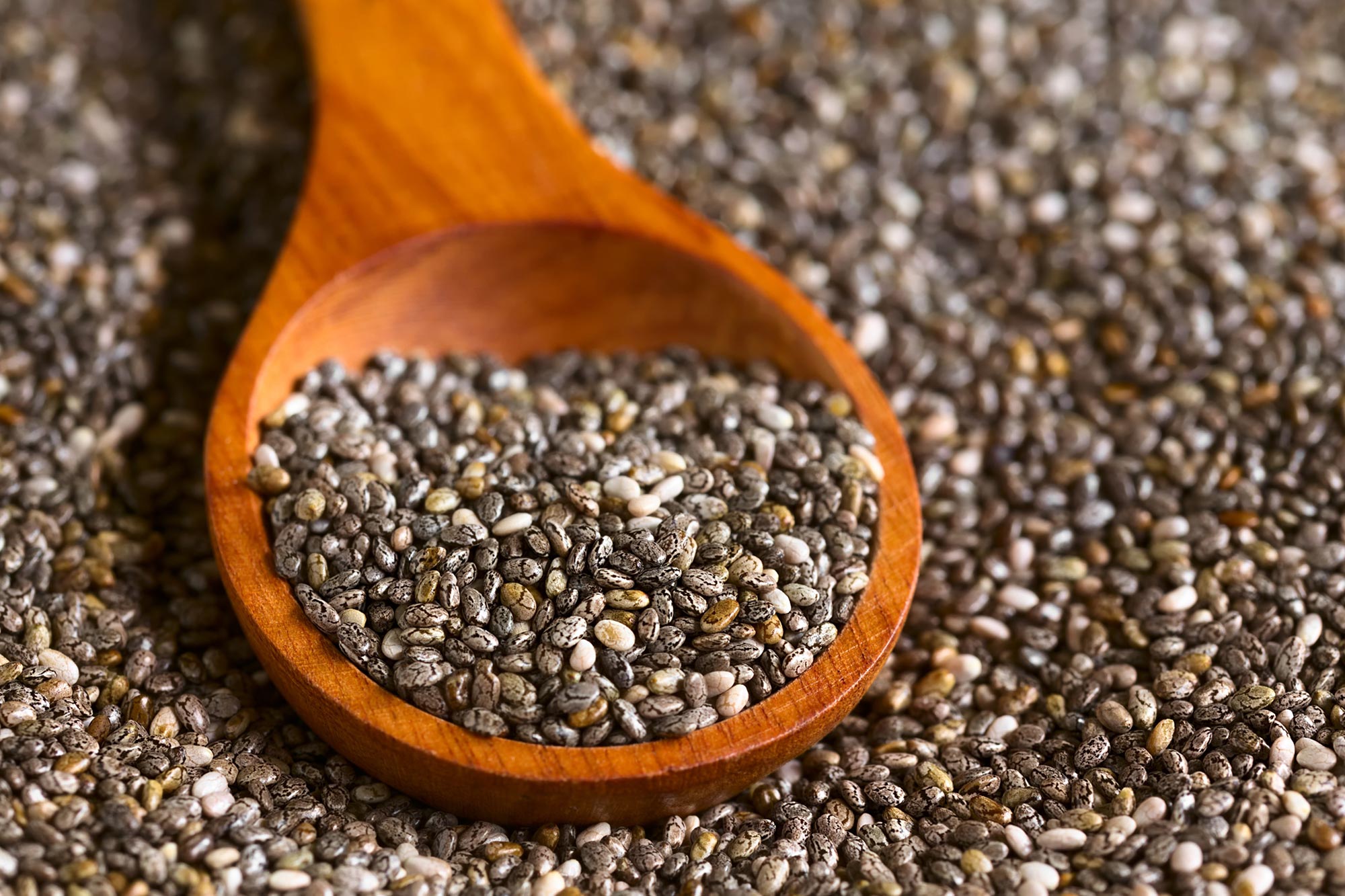
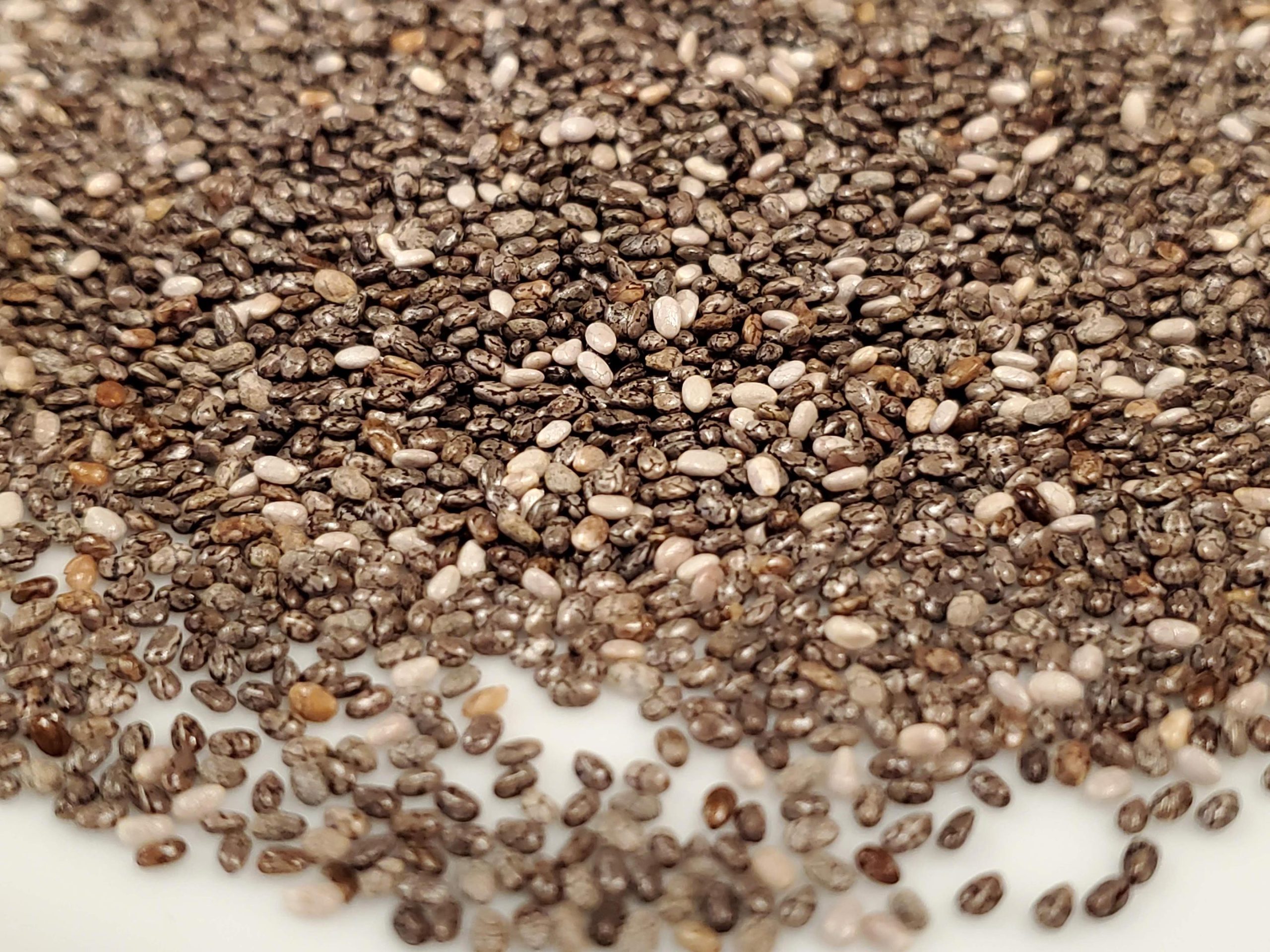
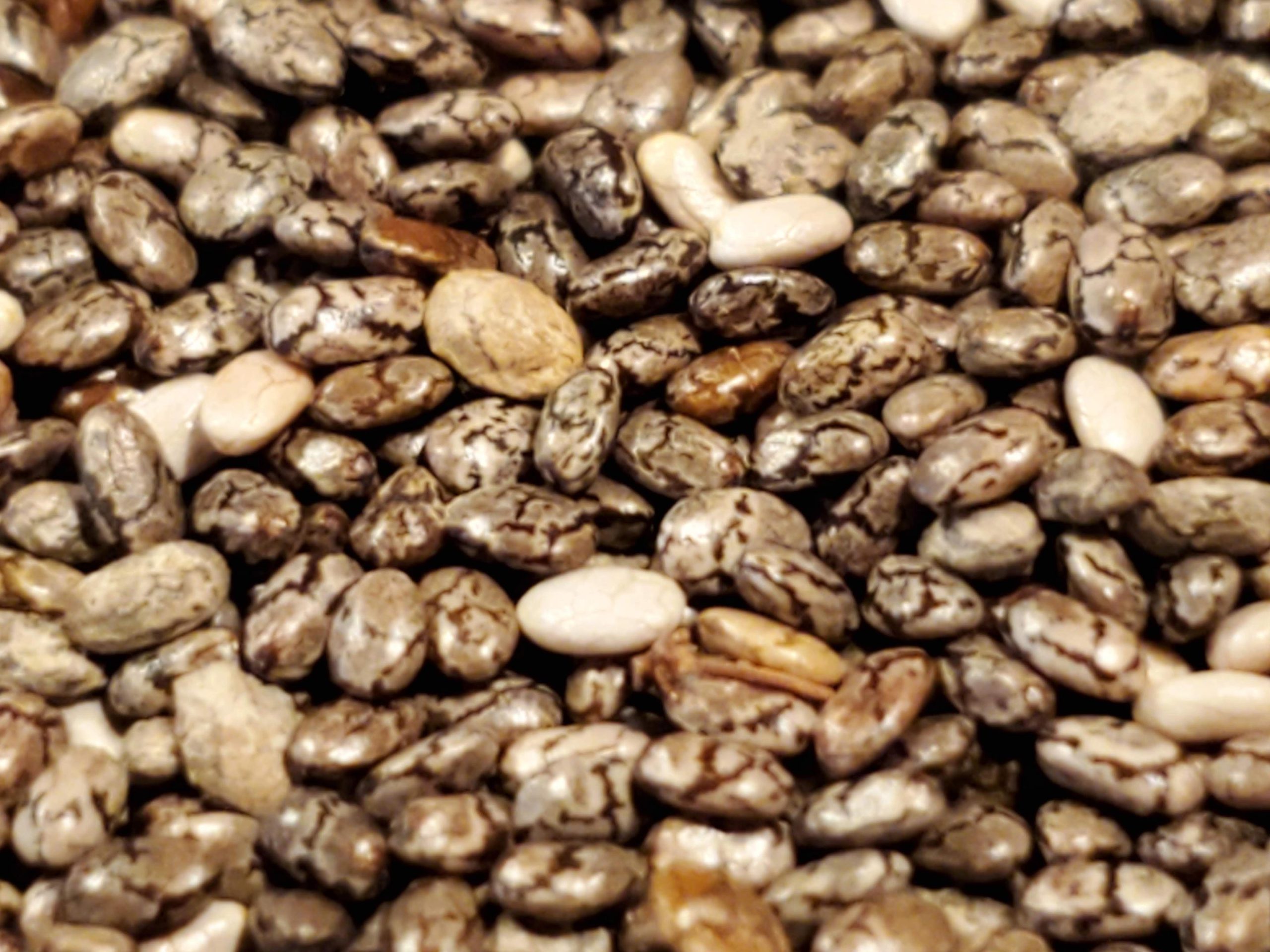
Chia seeds – which are small, round and can be black, brown and white – are high in fiber, healthy fats, and proteins and often are part of recipes for items including smoothies, yogurt, oatmeal, pancakes, and granola bars.
Past research has found:
- Polyunsaturated fatty acids found in chia improve cardiovascular health and cholesterol and have anti-cancer properties.
- Chia seeds’ high fiber content helps stabilize blood glucose levels in type-2 diabetes patients and aid people with gastrointestinal-tract-related diseases.
- Protein in chia seeds has the potential to help treat cancer and high blood pressure and also has antioxidant, anti-inflammatory and anti-microbial properties.
- Water-soaked chia seeds form a gel that acts as a texture modifier, emulsifier, gelling and encapsulating agent in food, cosmetics and pharmaceutical products.
Genetic Insights for Agricultural Advancements
In addition, this latest paper identifies genes and genetic markers in chia that could aid agricultural researchers in breeding the plant to amplify traits in the plant that are valuable to human health.
The researchers found 29 genes involved with biosynthesis of polyunsaturated fatty acids and 93 genes that aid the gel-forming property of chia seeds, said the first author Parul Gupta, a research associate in the Jaiswal laboratory.
They also found 2,707 genes highly expressed in the seed that are likely to generate protein-derived small bioactive peptides. When the seed protein is digested in the intestinal tract, these small biopeptides are released and absorbed in the body and have potential properties that may help alleviate human health conditions like type-2 diabetes and hypertension. This is the first report of any plant genome analysis with human health benefits.
Open Data for Collaboration
To promote collaborations and open data science, the researchers released the chia genome data via its genome portal https://salviagdb.org.
Reference: “Reference genome of the nutrition-rich orphan crop chia (Salvia hispanica) and its implications for future breeding” by Parul Gupta, Matthew Geniza, Justin Elser, Noor Al-Bader, Rachel Baschieri, Jeremy Levi Phillips, Ebaad Haq, Justin Preece, Sushma Naithani and Pankaj Jaiswal, 23 October 2023, Frontiers in Plant Science.
DOI: 10.3389/fpls.2023.1272966
In addition to Jaiswal, Naithani and Gupta, co-authors of the paper are researchers Justin Elser and Justin Preece; graduate students Matthew Geniza, Noor Al-Bader and Rachel Baschieri; and undergraduate students Jeremy Levi Phillips and Ebaad Haq, all of Oregon State University.
Never miss a breakthrough: Join the SciTechDaily newsletter.
Follow us on Google and Google News.
4 Comments
I found this article to be very shallow and it came off a bit like a sales pitch. I’ve used chatgpt to try and improve it for you. You can see my chatgpt session with recommendations here: https://chat.openai.com/share/ffb36d0b-5f56-4035-a937-cc6ab4ee9c5f
Is it going to compete with millets from India. International millets day Is celebrated by India for its various health benefits.
So, it will be in support of commercialisation of chia seeds and compete with millets.
Thanks
Your photo illustrations are incorrect. They show hemp seeds, and castor beans instead of chia seeds.
My mistake. They look like hemp seeds, but indeed are dry chia seeds