

A study reveals that environmental pollutants like metals and drug residues interact to amplify toxicity in the body, particularly harming the liver. Researchers found that while each pollutant causes damage individually, their combination triggers an excessive antioxidant response, leading to further harm. Fortunately, selenium shows potential in counteracting these effects.
Exposure to Harmful Substances
People are exposed every day to potentially harmful substances through their environment and diet. Metals and pharmaceutical residues, for instance, can contaminate water and food. When present in high doses, these contaminants interact, increasing their overall toxicity beyond their individual effects.
Understanding how environmental pollution affects living organisms is crucial for developing regulations that set safe exposure limits. However, most guidelines focus on individual pollutants. What happens when different contaminants, even at approved levels, mix and interact within the body?
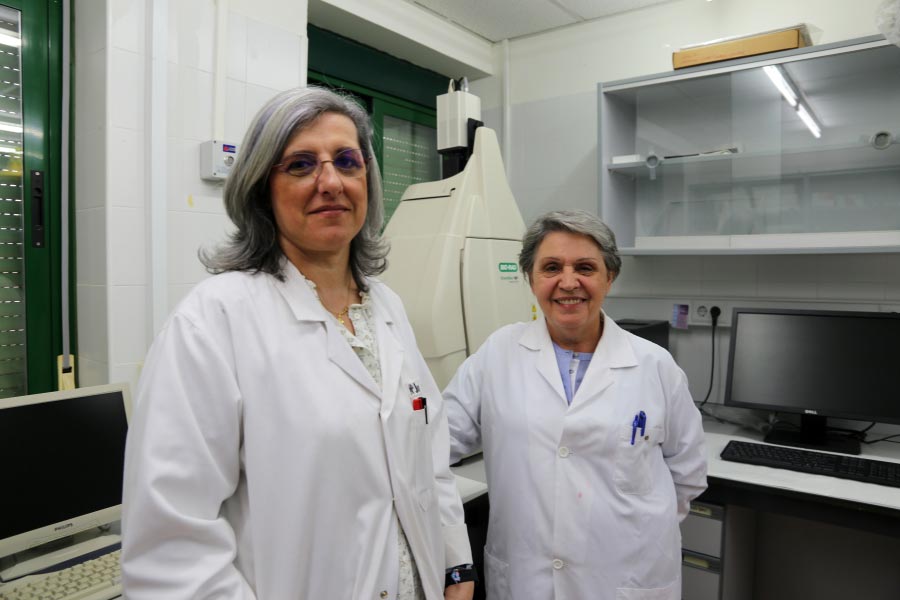
To explore the health risks of these “contaminant cocktails,” researchers from the Biochemistry and Molecular Biology Department at the University of Cordoba—Nieves Abril, Paula Huertas, María José Prieto, and Juan Jurado—conducted a study on mice. They examined the toxic effects of a common environmental pollutant mixture that accumulates in the food chain, consisting of metals such as arsenic, cadmium, and mercury, along with pharmaceutical drugs like diclofenac and flumequine.
Proteins and Liver Health
In order to determine how these compounds interacted with each other, “we studied the controlled exposure of mice to this mixture and analyzed how it affects the proteins in the liver; that is, how their liver proteostasis changes when ingesting these mixtures of contaminants for two weeks,” explained Professor Nieves Abril.
Their conclusion is negative: the cocktail effect creates synergy between these compounds, doing increased damage to health increase when the compounds act together.
“We used a massive protein detection technique (shotgun proteomic), which allowed us to compare how the proteins of the group exposed to the mixture of contaminants were altered compared to the control group,” April explained.
Of the proteins affected, they selected 275 as sentinels to verify what was changing and, after computer analysis, they were able to determine the metabolic pathways that were altered and their consequences for health. These analyses revealed a disproportionate defense response having a contrary and harmful effect on the system.
Uncontrolled Oxidative Stress
The researcher stressed that “although these pollutants generated oxidation in the cells separately too, when they acted together we found that the oxidation was so intense that all the antioxidant defense responses were activated continuously, without deactivating them, which ends up doing damage and causing many proteins to stop working.” The analyses showed a sustained expression of the response mediated by NRF2, which is the regulator that sets in motion a good part of the antioxidant defenses, which caused a reduction in stress.
Selenium as Hope
The study also provides hope, as selenium could be a way to reduce the damage caused by exposure to these pollutants. A third group of mice were given doses of selenium, a mineral often found in vitamin supplements found in pharmacies, and proteomic analyses showed relief from the molecular damage done by the pollutants.
Selenium itself is an oxidant, but in low doses it activates responses in a controlled manner, predisposing the body to better defense. With the results of this experiment, which was made possible thanks to Research Support (SCAI) and Experimental Animals (SAEX) services, knowledge of the effects of the pollutants to which society is exposed on a daily basis has been expanded, and a way has been glimpsed to reduce the damage they produce through the use of selenium.
Reference: “Proteomic analysis of the hepatic response to a pollutant mixture in mice. The protective action of selenium” by Paula V. Huertas-Abril, Juan Jurado, María-José Prieto-Álamo, Tamara García-Barrera and Nieves Abril, 24 August 2023, Science of The Total Environment.
DOI: 10.1016/j.scitotenv.2023.166558
Never miss a breakthrough: Join the SciTechDaily newsletter.
Follow us on Google and Google News.